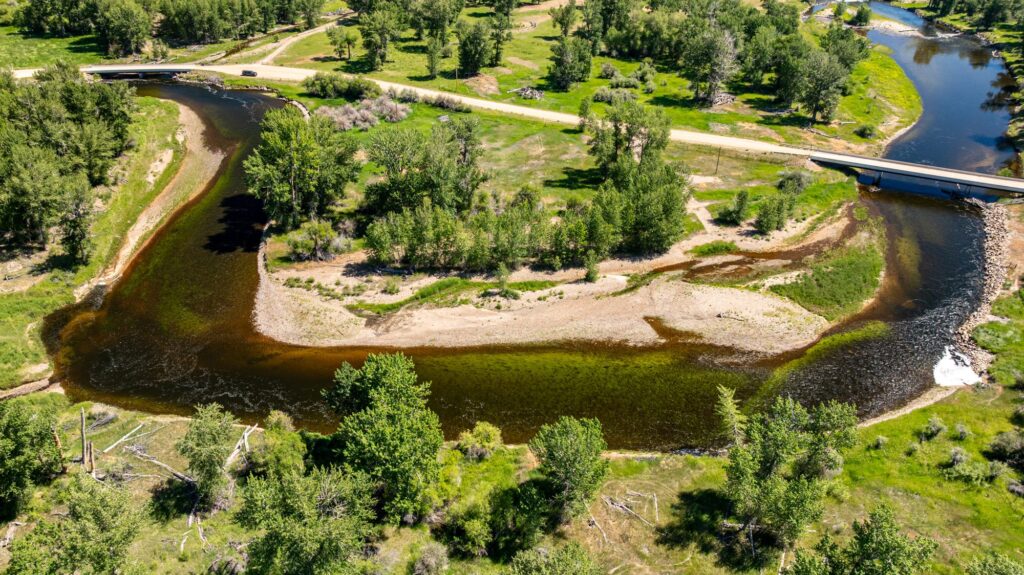
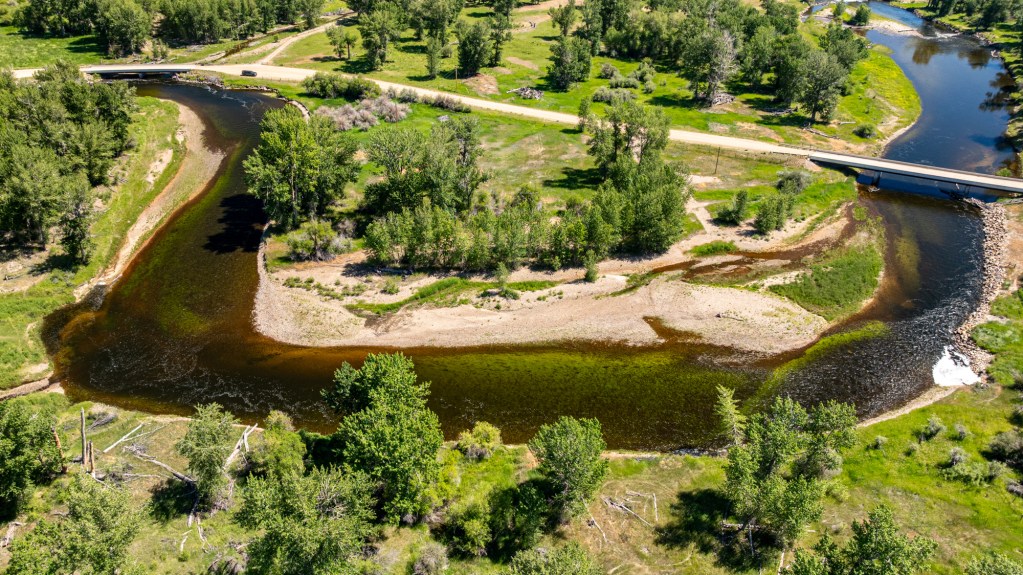
DIVIDE — The renowned Big Hole River, known for its blue-ribbon fishery status, faces potential impairment designation due to persistent nuisance algae issues.
At a recent meeting in Divide, Montana, the Department of Environmental Quality (DEQ) revealed that nutrient pollution is severely impacting the river’s ecosystem. The term “eutrophication” highlights the overgrowth of algae linked to high levels of nutrients like nitrogen and phosphorus, which lower dissolved oxygen, threatening fish and aquatic life.
Recreation users find algal growth problematic, making wade-fishing hazardous and reducing macroinvertebrate biodiversity, crucial for aquatic ecosystems. Andy Ulven from DEQ stated the eutrophication listing would confirm ongoing issues with nutrient levels in the Big Hole, but a final decision isn’t expected until 2027.
The impairment designation could serve as a framework for other rivers affected by eutrophication. DEQ’s Darrin Kron noted that such a designation would lead to regulations reducing pollutants through Total Maximum Daily Loads (TMDLs), akin to a “pollution diet” for the river. Standards for nitrogen, phosphorus, and temperature may be established to combat low oxygen levels.
Increased public funding is anticipated for conservation efforts by groups like the Big Hole Watershed Committee and Trout Unlimited, focusing on river-restoration projects. Common nutrient pollution sources include agricultural runoff and livestock waste.
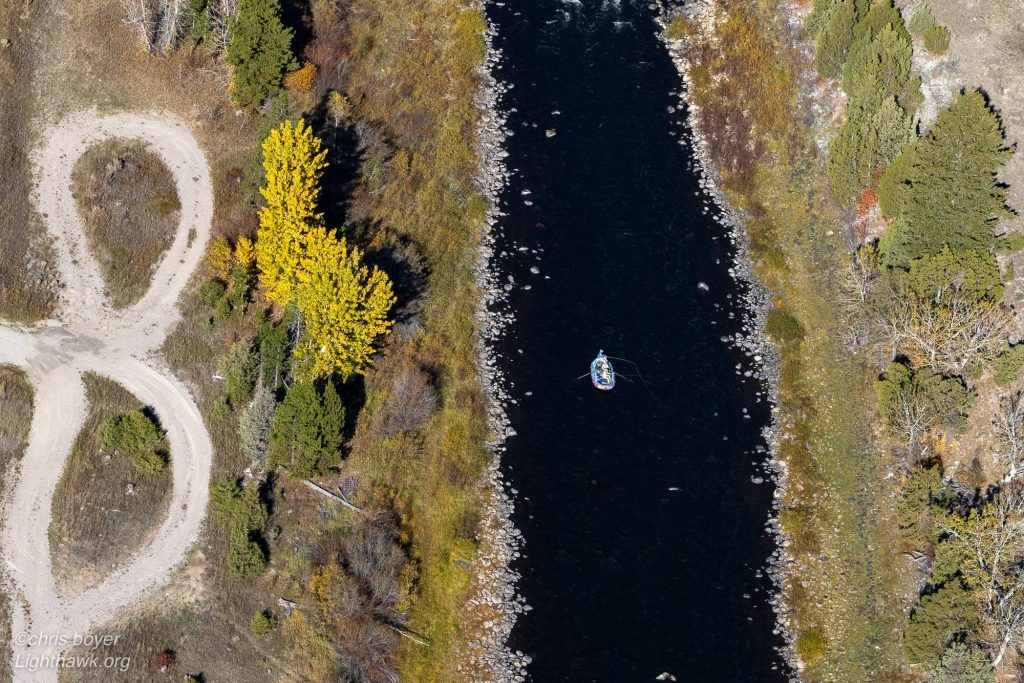
Efforts by groups like Upper Missouri Waterkeeper and Save Wild Trout to reduce nutrient pollution have been ongoing, with accusations of political avoidance from Guy Alsentzer of Waterkeeper. The controversy revolves around numeric vs. narrative standards for controlling nutrient levels, with recent legislation prohibiting numeric standards.
House Bill 664, backing narrative standards, faces a lawsuit for allegedly violating the Clean Water Act. Judge Brian Morris’ ruling could impact DEQ’s approach to nutrient standards.
Ongoing drought and low water levels in the Big Hole Basin intensify water quality worries. Erik Kalsta, a local rancher, is concerned about the implications during drought conditions, noting substantially reduced irrigation capacity.
Brian Wheeler of Save Wild Trout emphasizes the importance of maintaining clean water under limited supply, noting the river’s unusually low water levels.
LATEST STORIES
State accountant: Lottery’s former financial services director ‘stopped doing his job’
A state accountant informed the Legislative Audit Committee that the Montana Lottery’s financial discrepancies, including $18.5 million in errors, stemmed from the former director’s negligence before his passing in March 2025.
Reflecting on Greasy Grass: ‘We weren’t wiped out, and we continue to persevere’
Thousands gather at Little Bighorn National Monument to celebrate Indigenous resilience and victory against Custer, highlighting cultural perseverance.
The ballot questions likely to come before voters in November
Key policy questions on judicial elections and dark money to be decided by voters in November, pending signature approval for ballot inclusion.
—
Read More Montana News





![Botched Ad Mix-Up: Super PAC Error in Arizona Congressional Race[embed]https://www.youtube.com/watch?v=bEMgIlCkHz0[/embed]](https://www.kitchentablenews.org/wp-content/uploads/2026/10/Botched-Ad-Mix-Up-Super-PAC-Error-in-Arizona-Congressional-RaceembedhttpswwwyoutubecomwatchvbEMgIlCkHz0embed.com2F0e2F962Fe971102f49e7a4f2a64fd3cc60a22Fjonatha.png "Botched Ad Mix-Up: Super PAC Error in Arizona Congressional Race[embed]https://www.youtube.com/watch?v=bEMgIlCkHz0[/embed]")