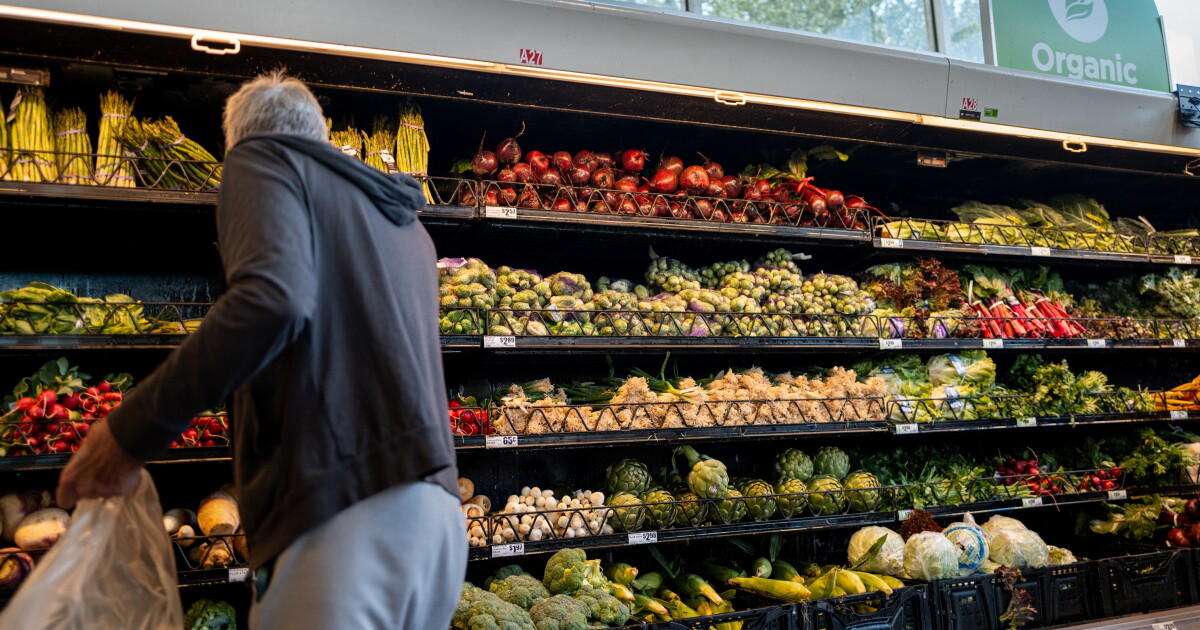
Tens of thousands of Americans are losing access to food assistance monthly, even as Congress considers delaying significant cuts to federal food stamps. New data from the U.S. Department of Agriculture reveals over 330,000 individuals lost Supplemental Nutrition Assistance Program (SNAP) benefits between May and June. Since the One Big Beautiful Bill Act took effect last July, over 5 million have been affected.
The One Big Beautiful Bill Act, which reduced taxes and federal safety programs, altered SNAP eligibility, ended some work exemptions, and transferred new costs to state administrations. According to an analysis by the Food Research and Action Center, SNAP participation has fallen in every state except Alaska, where unique conditions like high food prices and unemployment persist.
In Arizona, the number of SNAP recipients dropped by over half since July 2025, with about 421,000 receiving aid this June. Louisiana saw a drop of more than 173,000, a 22% decrease, while Illinois experienced a decline of over 368,000, approximately 20%. Advocates continue to press Congress to reverse SNAP cuts amid rising grocery prices.
While many leaders and nonprofits call for a full repeal of these cuts, the Republican-led Congress has only agreed to delay some effects. The Senate is debating the farm bill, which funds SNAP and other programs. This month, the Senate Agriculture Committee approved a proposal delaying SNAP cost shifts by one year; Democrats wanted a two-year delay.
With the current legislation expiring Sept. 30, if this bill passes, states must reduce error rates by October 2028 to avoid sharing costs. States face challenges in implementing new IT and budgeting processes. Historically, SNAP benefits weren’t state budget items, as federal funds went directly to recipients, explained Lauren Kallins from the National Conference of State Legislatures.
“There are lots of questions about how and when the cost share will be paid,” Kallins said. “Will this be in real time as benefits are issued? Will it be reconciled at a later date? We don’t know.”
Republicans, including Arkansas U.S. Sen. John Boozman, argue that error rates show a need for improvements in state program administration. However, advocacy groups believe a one-year delay is insufficient for protecting states and SNAP beneficiaries. Crystal FitzSimons, from the Food Research and Action Center, urged Senators to oppose the Farm Bill, stating Congress must reverse SNAP cuts and address state cost shifts to support families and farmers.
—
Read More Montana News