Article Summary –
Terry O’Reilly, president and CEO of Pittsburgh Community Broadcasting Corporation, is determined to maintain essential news and music services at his stations despite the recent federal defunding of the Corporation for Public Broadcasting, which cuts $700,000 from his $8 million budget and poses a threat to smaller rural stations that rely heavily on federal funding. The Rescissions Act of 2025, passed by a Republican-led Congress and awaiting President Trump’s signature, eliminates $1.1 billion in funding for public media, impacting local news coverage and emergency alert services, especially in rural areas with fewer resources. Leaders like O’Reilly and Margaret McConnell from WDIY 88.1 FM emphasize the vital role of public media in democracy and community life, urging local communities to support these services amidst the federal cuts driven by political motivations rather than fiscal responsibility.
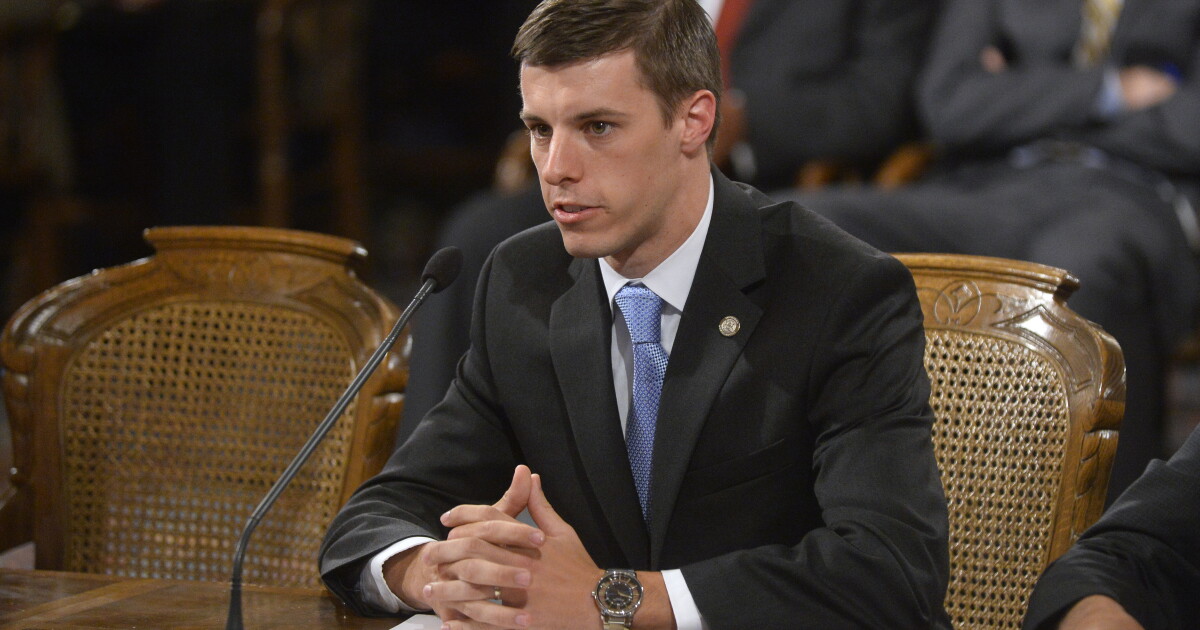
Terry O’Reilly, president and CEO of Pittsburgh Community Broadcasting Corporation, is outraged and determined to persevere. After the Republican-led House and Senate voted to defund the Corporation for Public Broadcasting, cutting $700,000 from O’Reilly’s $8 million operating budget, he is steadfast that stations 90.5 WESA and 91.3 WYEP will continue delivering news and music in western Pennsylvania as they have for decades.
“I told the staff this would be really hard, and my anger is deep,” said O’Reilly, a veteran of over 50 years in journalism. “I know what happens when journalism and platforms for free expression die. We’re committed to not letting that happen.”
With all but four congressional Republicans voting to cut $1.1 billion for public media, the Rescissions Act of 2025 now awaits President Donald Trump’s signature. O’Reilly acknowledged the tough decisions ahead, saying, “We’re going to make necessary decisions, but we won’t simply roll over.”
Damage in rural communities
Public media leaders nationwide warn that smaller rural stations, reliant on federal dollars for hyperlocal content and emergency alerts, face closure. Katherine Maher, NPR’s CEO, emphasized that cuts will impact areas needing NPR and PBS most, like West Virginia and tribal nations, where federal funds constitute over 50% of budgets.
The Corporation for Public Broadcasting’s $535 million in federal aid, less than 0.01% of the federal $6.8 trillion budget, supports vital public media services. The reduction threatens rural stations and impacts local journalism, which has seen a 75% decline since 2002, per a Muck Rack report.
O’Reilly stressed the importance of local journalism, noting these cuts will disproportionately affect rural areas, which voted heavily for Trump. He fears the loss of local news will exacerbate corruption and erode democracy, echoing studies linking media presence to higher voter turnout and lower government corruption.
Public support for public media remains strong
Despite federal cuts, public support for NPR remains high, with two-thirds of Americans backing federal funding, according to a NPR poll. However, Republican lawmakers, urged by Trump, voted for cuts, accusing NPR and PBS of bias disproven by research.
‘Uncharted territory’
Margaret McConnell, executive director of NPR station WDIY 88.1 in Lehigh Valley, expressed concern over the cuts’ impact, which constitute 15% of WDIY’s budget. This funding supports news, cultural programming, and student training in radio journalism. McConnell emphasized WDIY’s role as a community hub and urged local support amidst federal funding reductions affecting cultural organizations like the National Endowment for the Humanities and National Endowment for the Arts.
“WDIY will engage with the community to explore all possible funding avenues to preserve this essential service for the Lehigh Valley,” McConnell said, emphasizing the need for community support.
—
Read More Pennsylvania News