Article Summary –
Tariffs imposed by the U.S. after President Donald Trump took office in 2025 reached up to 145% on some imported Chinese goods, significantly increasing the cost of essential baby products, such as car seats, cribs, and strollers, by 24% in a short period. This financial burden, highlighted by the Congressional Joint Economic Committee, could cost new-parent households an additional $875 million annually, leading to concerns over safety as parents might resort to secondhand products or makeshift alternatives. While the Baby Safe Alliance and business leaders like Joe Shamie of Delta Children have criticized these tariffs for their negative impact on affordability and safety, a recent U.S.-China agreement aims to reduce tariffs on $60 billion worth of nonsensitive goods, including some baby products.
Tariffs initiated by the U.S. following President Donald Trump’s 2025 inauguration reached up to 145% on certain Chinese imports, such as baby products, before a reduction. Most baby items in America, including mandatory child safety products like car seats, are partly or wholly made in China.
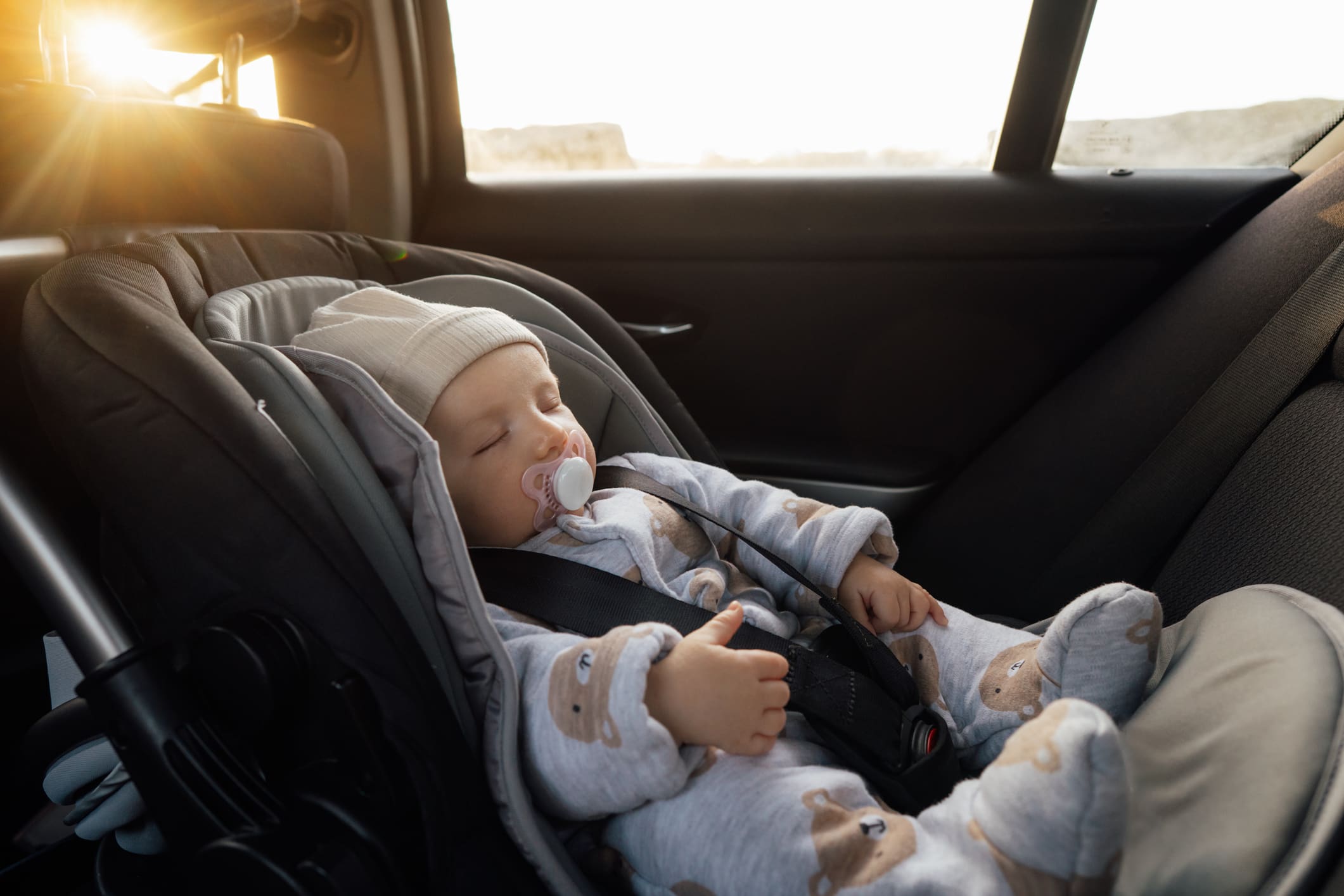
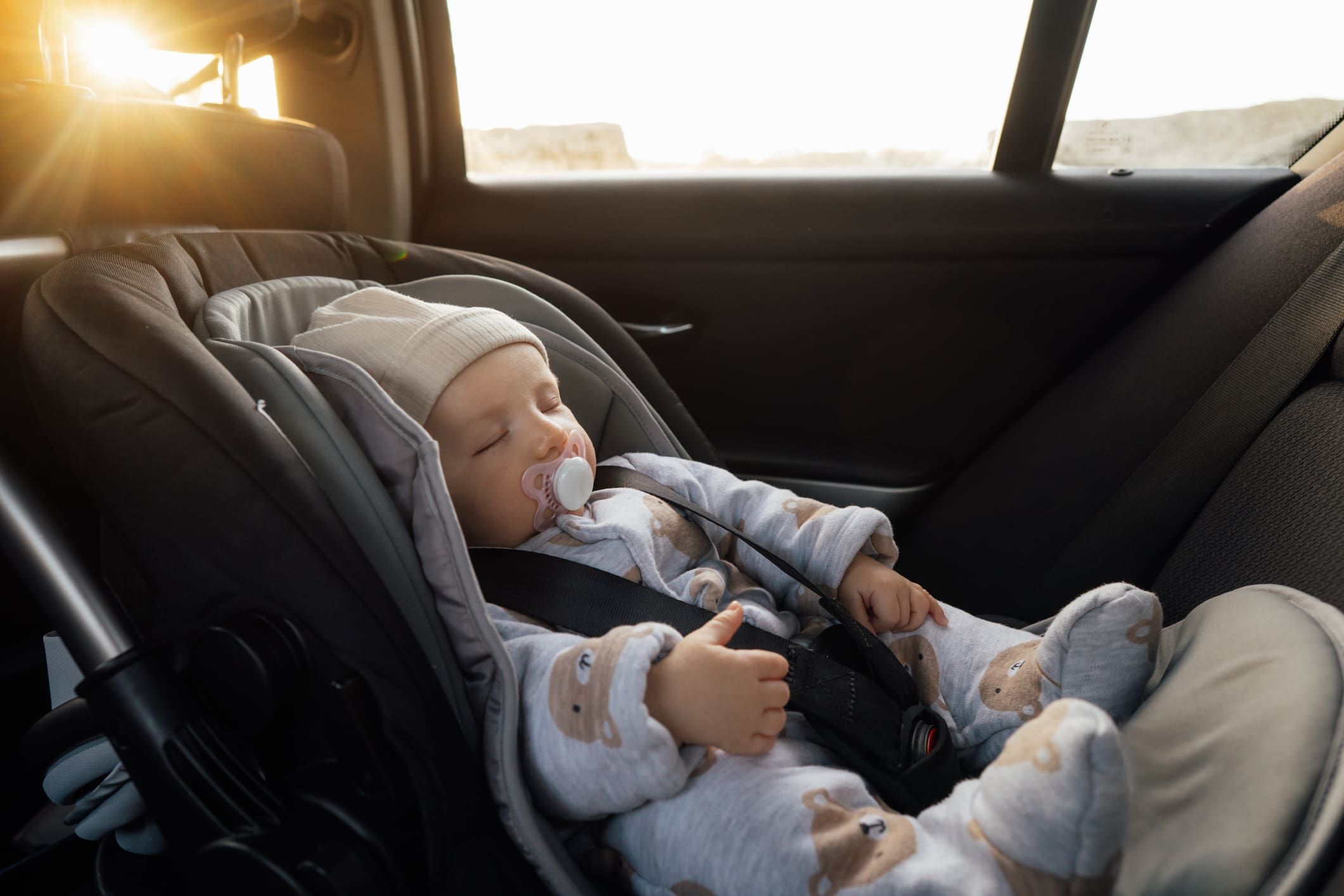
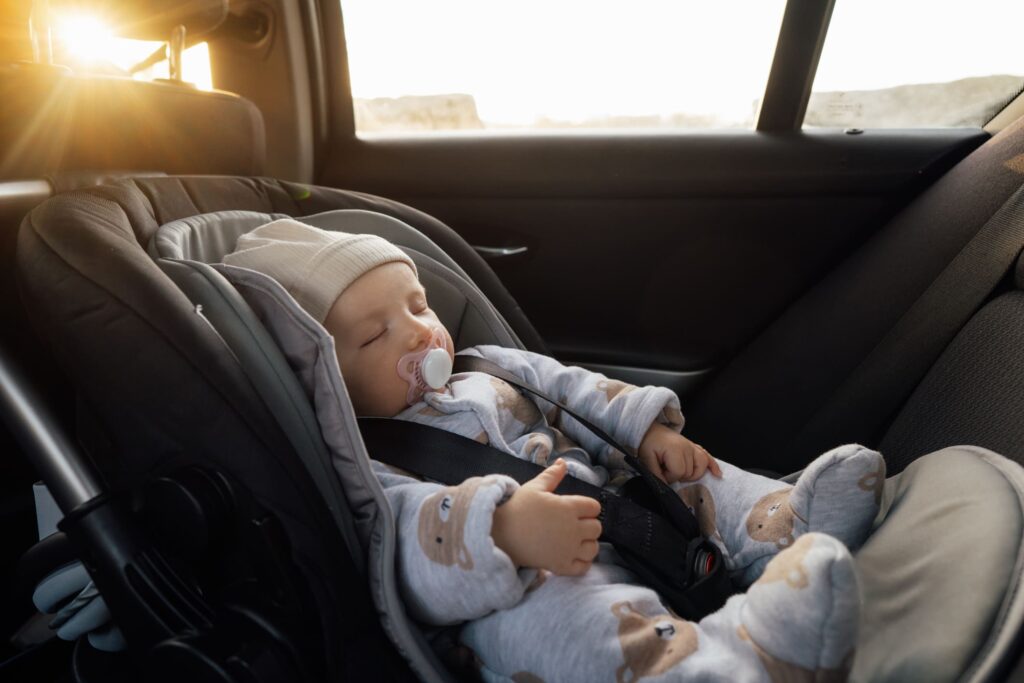
A 2025 report from the Congressional Joint Economic Committee indicated that tariffs led to a 24% rise in costs for baby essentials such as car seats, cribs, and strollers, amounting to $98 more from April to June 2025. If all new parents paid these increased prices, it would total an extra $875 million annually.
“Car seats are not just vital; they are legally required,” stated Democratic Rep. Ayanna Pressley of Massachusetts during a House Financial Services Committee hearing in May 2025, shortly after tariffs were introduced. “With Trump’s tariffs reaching 145% on Chinese imports, costs are rising,” she noted. “Roughly 9 out of 10 U.S. car seats are from China.”
Even before these tariffs, child-rearing in the U.S. was costly. BabyCenter reports parents can spend over $20,000 in a baby’s first year, excluding birth expenses.
The Baby Safe Alliance, formerly known as the Juvenile Products Manufacturers Association, addressed a letter to Trump highlighting the burden tariffs place on American families, reducing access to crucial safety products for children.
“Relying on outdated or secondhand products due to high costs can be disastrous,” the letter stated. “Parents may resort to unsafe makeshift solutions or go without safety products if they’re unaffordable or inaccessible.”
Joe Shamie, president of Delta Children, a major U.S.-based crib manufacturer, told Reuters that while they produce in the U.S., they import materials and parts.
“Crib tariffs are at 45%, notably raising costs for young parents,” Shamie said. “Domestic production is also impacted since parts from Canada and Asia face tariffs. This affects business and makes child-rearing less affordable.”
Shamie is exploring increased U.S. production, but complex infrastructure needs mean it’s years away. “We’ll assess wheels, seats, and steel manufacturing over time,” he explained.
Following Trump’s September summit with Chinese leader Xi Jinping, the White House announced a “30-for-30” plan to reduce tariffs on $60 billion of nonsensitive goods, including Chinese-made high chairs, booster seats, toys, and child safety seats.
—
Read More Pennsylvania News