Mikiah Roberson anticipated her $6,700 federal student loan disbursement between May 27 and June 3 to cover rent and car payments. Instead, the date passed without funds, leaving her financially strained for over a month.
Roberson, a University of Maryland Global Campus grad student in digital forensics and cyber investigation, faced intensified stress during her eight-week summer semester without financial aid. Her tuition is covered as a disabled veteran, but she depends on federal student loans for living costs.
“It had a major impact on my mental and emotional health,” said Roberson, as she worried about eviction or having utilities cut off.
Federal student loan disbursements were delayed for many students due to new rules effective July 1, necessitating system updates at colleges. Experts fear the delays could extend into the fall, affecting the 60 percent of students facing housing or food insecurity.
Students have limited options when loan funds are delayed. They must cover budget gaps while costs of essentials rise. Aissa Canchola Bañez from Protect Borrowers emphasized, “Delays are significant in terms of students staying enrolled and housed.”
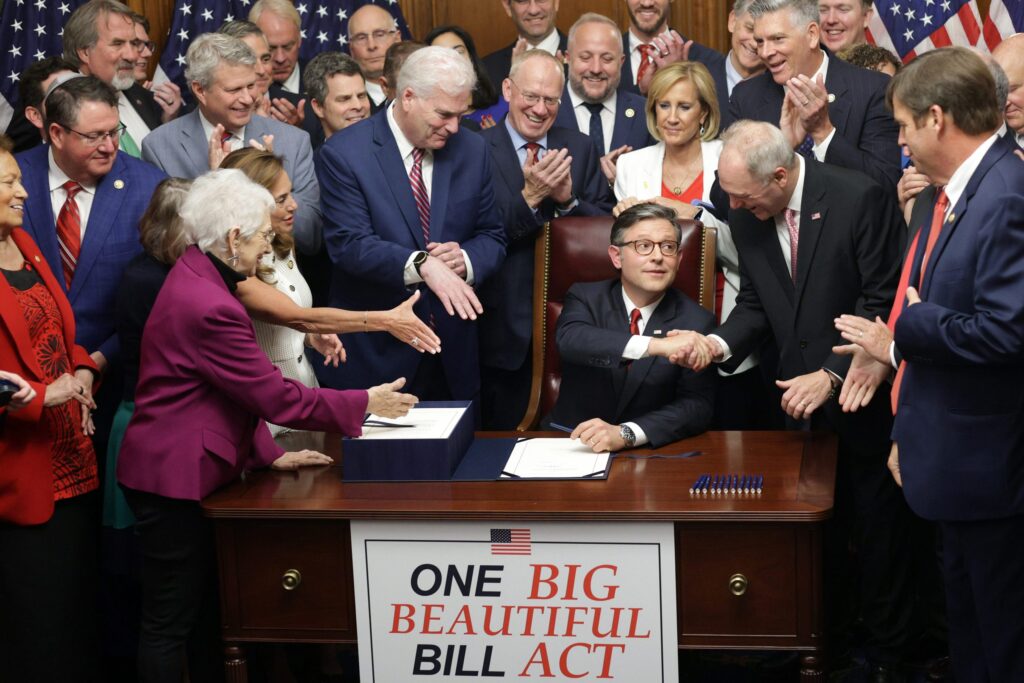
Congress’s atypical planning when passing the One Big Beautiful Bill Act is blamed for the delays. The Department of Education lacked time for guidance, forcing colleges to manually adjust aid.
Ellen Keast from the Department of Education stated that the deadlines were met, with changes effective by July 2026.
“Congress gave the Department less than a year to implement these changes,” Keast said.
The One Big Beautiful Bill Act, signed by President Trump on July 4, 2025, reshapes federal student loans. It introduces lifetime borrowing limits, alters loan programs, and expects to impact 13 million students annually.
Roberson negotiated partial payments as she awaited funds, stretching into a second month. “I kept pushing out the dates, but nothing changed,” she said.
The stress affected her studies, with classmates also struggling to focus amid financial burdens.
Experts warn of continued delays into the fall semester. Stony Brook University’s Nick Prewett predicts waiting times for aid, especially for part-time students.
Roberson received her summer disbursement mid-July, six weeks late. She’s preparing for potential delays by working as a delivery driver, despite her disability.
“I’m nervous because I don’t know if we’re going to hit this situation again,” Roberson said. “It’s very nerve-racking trying to prepare ahead of time for issues.”
—
Read More Kitchen Table News