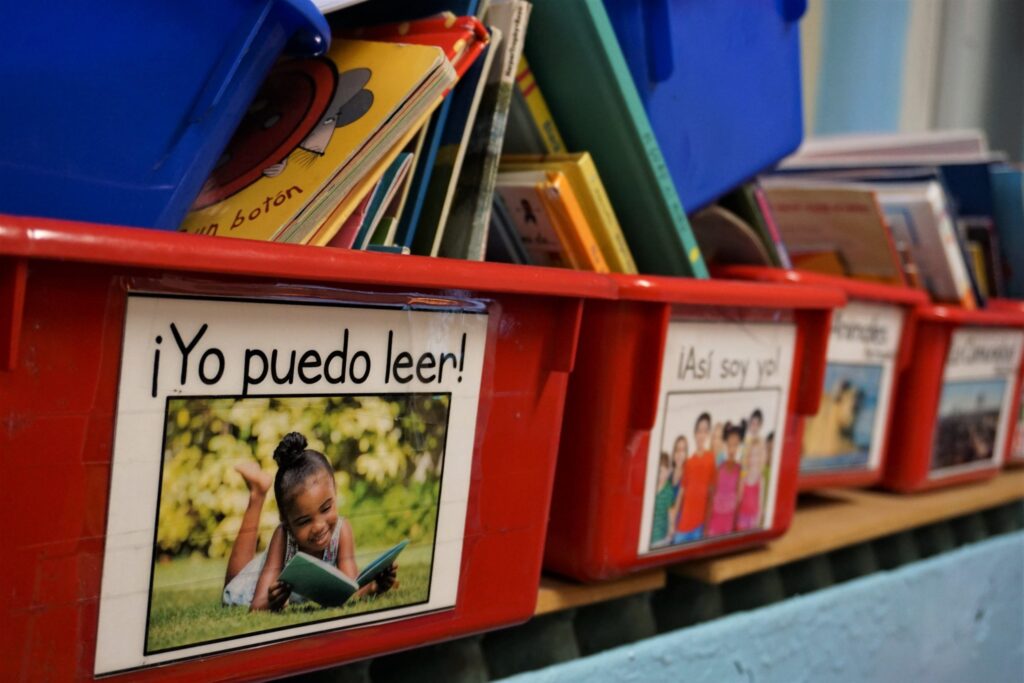
Ginger Williams has observed a rise in the number of children learning English at the six Head Start sites she manages in Snohomish County, Washington. The federally funded preschool program requires support for “dual language learners,” mandating a staff member fluent in the predominant non-English language and focusing on bilingual development.
This bilingual support eases children’s acclimation to school and assists teachers, Williams explained. Bilingualism fosters comfort, reducing anxiety-related behaviors like crying or aggression. A new Trump administration proposal seeks to eliminate bilingual mandates in Head Start, enforcing English-only instruction except for tribal programs and certain waivers.
The proposal shifts authority from federal to local and state governments, allowing adaptation of staff-to-child ratios and developmental screening schedules. “One-size-fits-all mandates from Washington cannot fully account for the realities facing 1,600 grantees,” stated Alex Adams from the U.S. Department of Health and Human Services. Head Start’s website emphasizes the cognitive and cultural benefits of bilingualism, highlighting improved brain development and job opportunities.
Cleo Rodriguez of the National Ag Families Head Start Association criticized the proposal, emphasizing the importance of bilingualism for school readiness. The administration argues the change redirects resources to English education, but HHS estimates costs for this transition at $47 million for new materials and up to $78 million for teacher training.
About 35 percent of Head Start children are dual language learners, higher than the national average for ages 0-5. In some areas, like New York and Puerto Rico, this goes above 60 percent. Some educators, like José Martinez of UMOS, worry that removing bilingual practices will hinder early language development.
Public comments on the proposal are open until Oct. 6. For more details, visit the Federal Register.
—
Read More Kitchen Table News