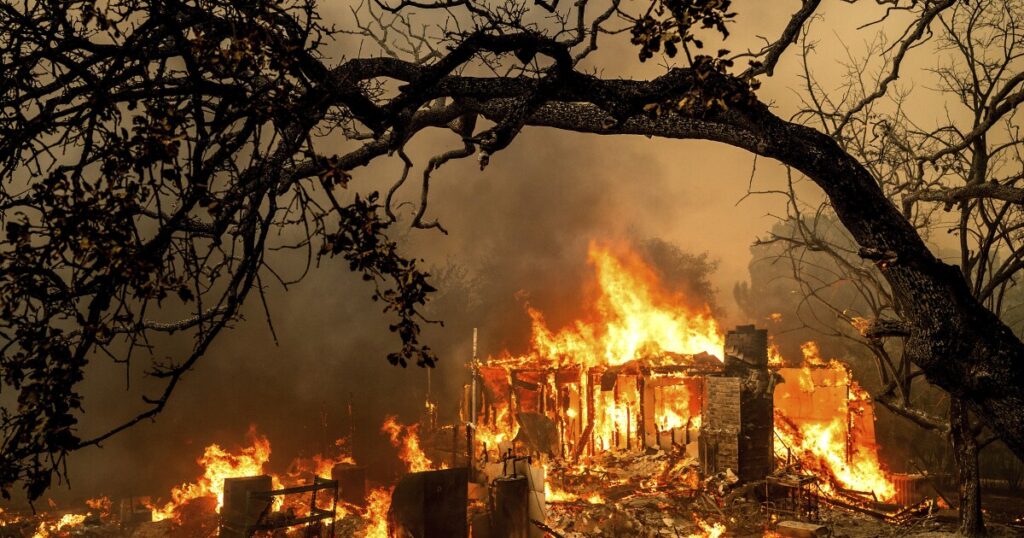
With the 2025 law poised to offer significant legal protection to Tucson Electric Power, Arizona Public Service, and other utilities from wildfire-related lawsuits, the spotlight is on the effectiveness of their wildfire mitigation strategies. These companies are required to produce comprehensive plans aimed at reducing fire risks, but the recently unveiled plans have sparked criticism from insurers and trial lawyers.
Critics argue that the plans are vague and insufficient, suggesting they merely fulfill bureaucratic requirements rather than providing substantial protection against wildfires. Despite assurances, the Department of Forestry and Fire Management did not develop detailed rules to guide the utilities’ plans, simply reiterating the law’s general provisions.
The power companies, including APS, which serves a significant portion of Arizona, are pushing forward with their plans. APS’s strategy, submitted in February, could receive approval by June if no changes are requested. Similarly, TEP’s plan, filed in March, might be approved by early July.
State Agency’s Role and Criticism
The Department of Forestry and Fire Management is tasked with reviewing these wildfire mitigation plans. However, insurers and trial lawyers are critical of the agency’s approach, arguing that it failed to establish detailed rules and neglected to seek public input, despite earlier promises to do so.
Tom Torres, the director of the Forestry Department, emphasized that the agency is following legislative guidelines and remains open to public and stakeholder feedback during the review process. “We’re going to take public comment seriously,” Torres stated, underscoring the department’s commitment to considering stakeholders’ perspectives.
Utilities’ Preparedness and Industry Context
Utilities like APS and TEP have emphasized their proactive measures to reduce wildfire risks, utilizing advanced technologies and expert teams. APS’s plan includes tree trimming, equipment upgrades, and Public Safety Power Shutoffs during high-risk conditions, although the latter is viewed as a last resort due to its disruptive nature.
In contrast to the detailed plans seen in states like California, where Pacific Gas & Electric Co. has filed extensive documentation, Arizona utilities’ filings are considerably shorter. APS’s plan spans 69 pages, while TEP’s is only 26 pages, raising concerns about their sufficiency.
Legislative and Industry Reactions
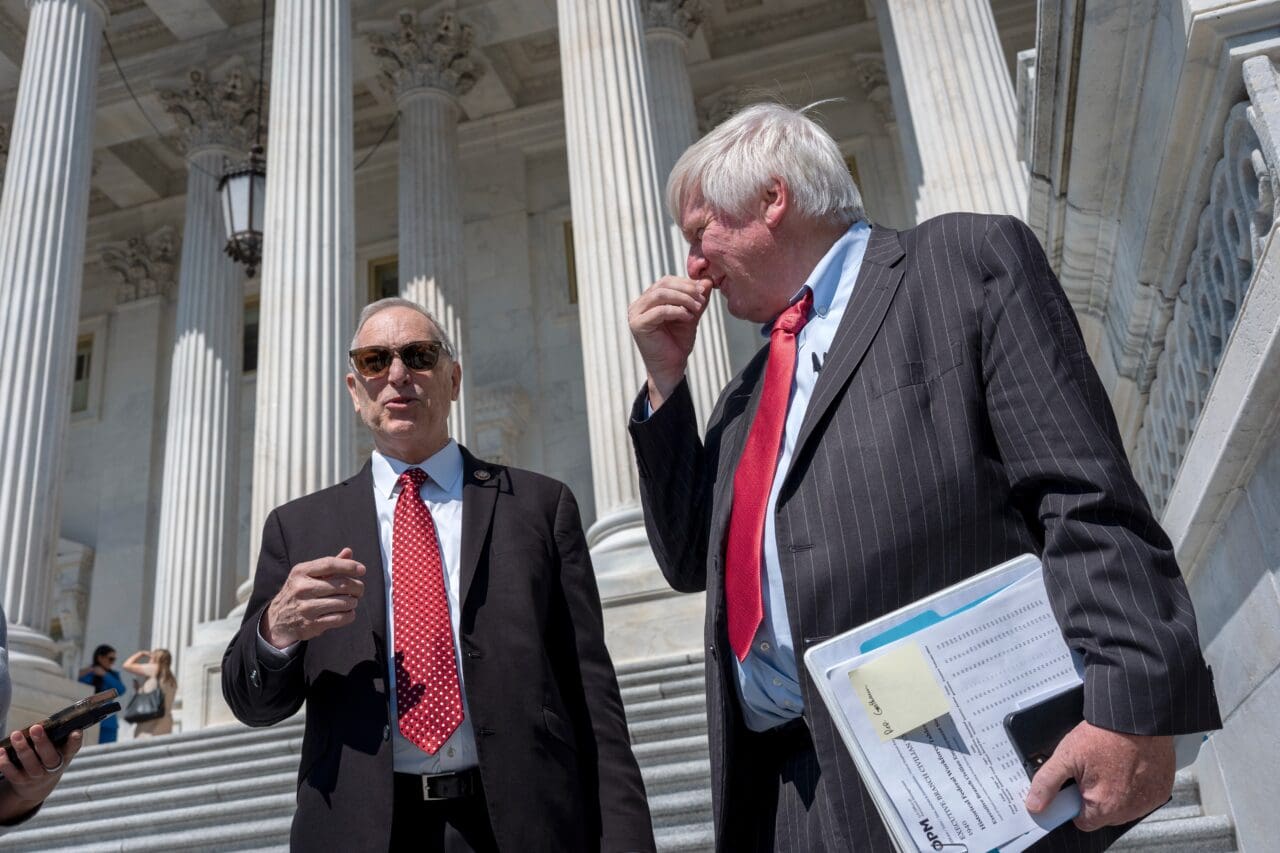
Senator J.D. Mesnard, who was instrumental in crafting the legislation, expressed surprise at the agency’s minimalistic approach to rulemaking, expecting more detailed oversight. Meanwhile, APS spokesperson Yessica del Rincon asserted the company’s commitment to a “rigorous and comprehensive” wildfire mitigation strategy, highlighting the use of modern technology and expert teams.
Industry stakeholders, including Lee Ann Alexander from the American Property Casualty Insurance Association, have voiced concerns over the plans’ brevity compared to those in other western states. Alexander argues that comprehensive rules are necessary to ensure the utilities are held accountable and that the plans are robust enough to effectively mitigate wildfire risks.
Joseph Barrios of TEP defended the company’s approach, emphasizing that each utility faces unique challenges and that their plans comply with Arizona’s requirements. However, the debate continues as stakeholders push for more stringent standards to ensure public safety and accountability.
—
Read More Arizona News