Navajo Nation Challenges Voting Legislation amid Growing Political Influence
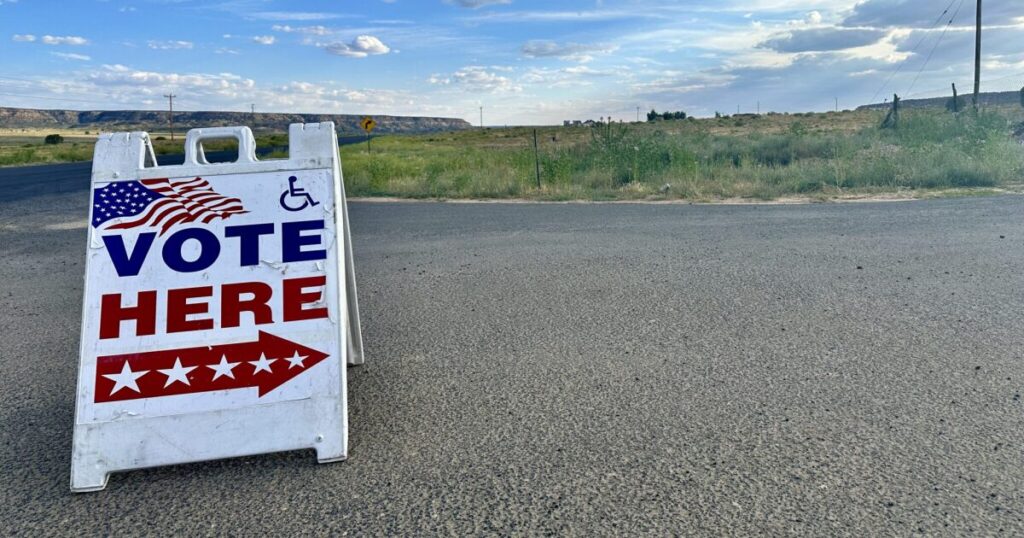
The Navajo Nation Council has taken a firm stance against the SAVE America Act, a federal proposal that could significantly alter voting processes. This legislation, which is currently stalled in the U.S. Senate and supported by President Donald Trump, aims to mandate proof of citizenship for voter registration. Documents such as a U.S. passport, a driver’s license paired with a birth certificate, or naturalization papers would be required.
However, this proposal has met with strong opposition from Navajo leaders. They argue that the Act poses a unique challenge to tribal members, particularly the elders, many of whom were born outside of hospitals and thus lack formal birth documentation. “For many Navajo people, this is not a Democrat or Republican issue,” states Navajo Speaker Crystalyne Curley, who sponsored the tribal legislation. She emphasizes the potential burden on elders and grandparents, who may face long and repeated travel just to participate in voting.
Curley highlights the logistical and financial burdens that the Act could impose, noting that some voters might need to travel over 100 miles for each step of the voting process, from registration to the primary and general elections. The financial strain could be exacerbated by rising fuel costs.
The timing of the SAVE Act coincides with an increase in the political influence of Indigenous voters, a group that has played a pivotal role in recent federal and state elections. Curley remarks, “Navajo voters, along with other tribes, represent a powerful voting bloc. We have seen how our communities can influence the outcome of federal and state elections, as demonstrated in 2020. We must stand united to protect our right to vote.”
In response, Navajo leaders are urging Congress to reject the SAVE Act and instead focus on enhancing tribal access to voting. Historical barriers have long impeded Indigenous voters, with issues such as rural addressing leading to ballot rejections. Additionally, the Act could compromise mail-in voting, a crucial method for many Navajo voters.
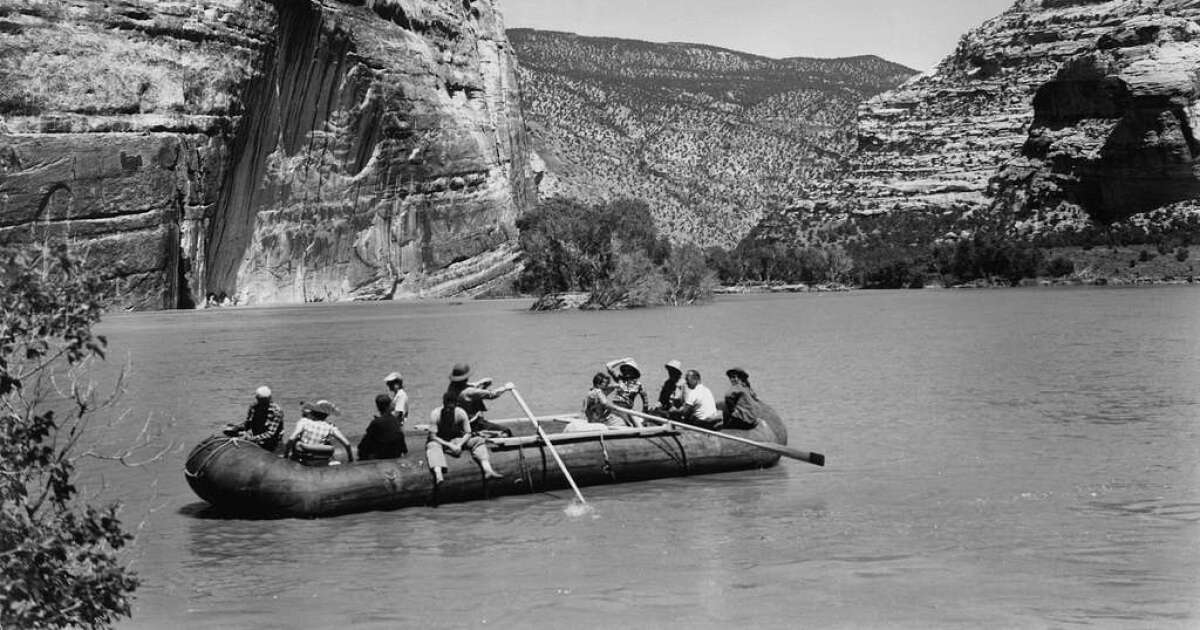
Meanwhile, tribal leaders are engaging with legislative bodies on multiple fronts, having recently testified before a Senate committee in support of a significant agreement involving Colorado River water rights for the Navajo Nation, Hopi Tribe, and San Juan Southern Paiute Tribe.
—
Read More Arizona News