Challenges and Historical Lessons of the U.S. Naval Blockade on Iran
The U.S. Navy’s recent blockade of the Strait of Hormuz marks a significant escalation in efforts to curtail Iran’s oil exports and apply economic pressure. While the White House aims to stifle Iran’s primary revenue source, the enduring effectiveness and sustainability of such a blockade remain in question.
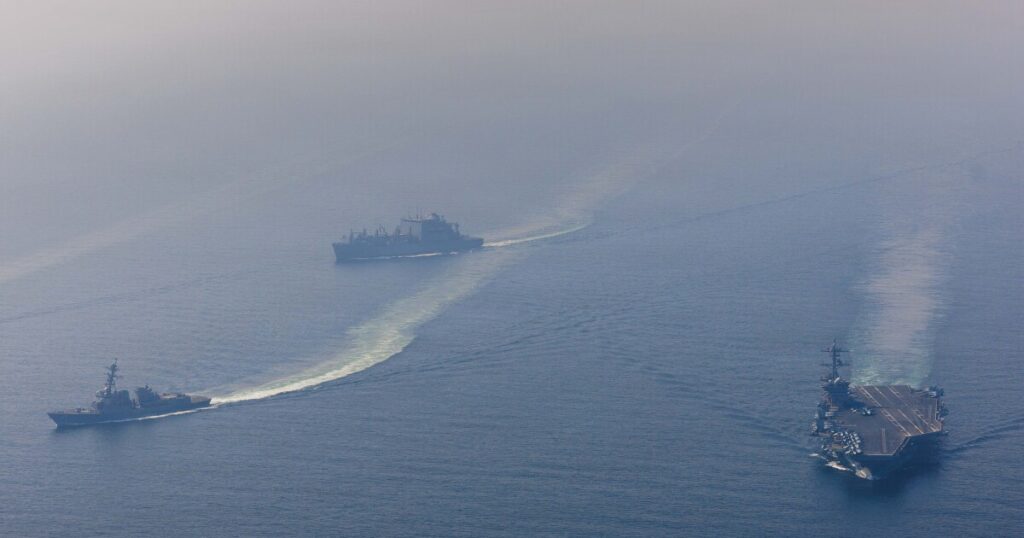
Following a series of U.S. strikes, the blockade is intended to force Iran to cease hostilities on American terms by cutting its access to global maritime trade. According to CENTCOM, the operation involves intercepting vessels traveling to and from Iranian ports, while maintaining freedom of navigation for all other Gulf ports.
President Trump has emphasized that halting Iran’s shipping routes is crucial to crippling its oil export capabilities. However, some experts, like Bryan Clark from the Hudson Institute, suggest that the initiative resembles more of a naval quarantine since it targets only Iranian traffic.
Eric Schuck, an economics professor at Linfield University, sees this as a continuation of the U.S.’s longstanding sanctions strategy against Iran, aiming to disrupt a critical component of its economy — oil. Yet, the question remains whether this approach will succeed, considering historical precedents of naval blockades.
Resource-Intensive and Difficult to Sustain
Historically, enforcing naval blockades has required substantial resources and strategic positioning. During the Napoleonic wars, Britain’s blockade of French ports demanded a significant portion of the Royal Navy. Despite modern advancements like satellites and drones, Steve Dunn, author of Blockade: Cruiser Warfare and the Starvation of Germany in World War One, notes that effectively monitoring the Strait of Hormuz’s heavy traffic is a daunting task.
The Hudson Institute’s Clark estimates the need for a rotation of about six destroyers to patrol the strait, with approximately 138 ships passing daily. The logistics of intercepting and redirecting such a volume of vessels are complex, echoing challenges faced by Russia in the Black Sea during the early months of the Ukraine war.
Questionable Effectiveness
Naval blockades have historically yielded mixed results. Schuck highlights the contrasting outcomes of World War II’s submarine campaigns: Germany’s effort to cripple Britain failed, while the U.S. campaign against Japan successfully disrupted vital oil supplies, forcing strategic military shifts.
Unintended Consequences
Blockades often have unpredictable impacts. In World War I, the Allied blockade aimed at restricting German military supplies inadvertently devastated its agricultural sector, leading to civilian hardships. Similarly, the British blockade of French ports severely affected France’s economy.
For Iran, the blockade’s impact on oil revenue could extend to its food supply, contingent on the blockade’s duration and effectiveness, warns Schuck. The strategy’s success will partly depend on whether the U.S. can maintain a prolonged and comprehensive enforcement.
—
Read More Michigan News