The Battle for Michigan’s State Senate Control Hinges on Central District Election
In a pivotal election, Central Michigan’s District 35 is poised to determine the balance of power in the state Senate. The seat, previously held by Democrat Kristen McDonald Rivet before her move to Congress, has been vacant for 16 months, and voters are now tasked with choosing a successor.
The stakes are high for Michigan Democrats, who have experienced a shift in their political stronghold. After securing a trifecta in 2022 with control over the governorship and both legislative chambers, they faced setbacks in 2024, losing the state House. Their current slim majority in the Senate stands at 19-18, which could be neutralized by a Republican win, creating an even split in the chamber. More information on the 2022 elections.
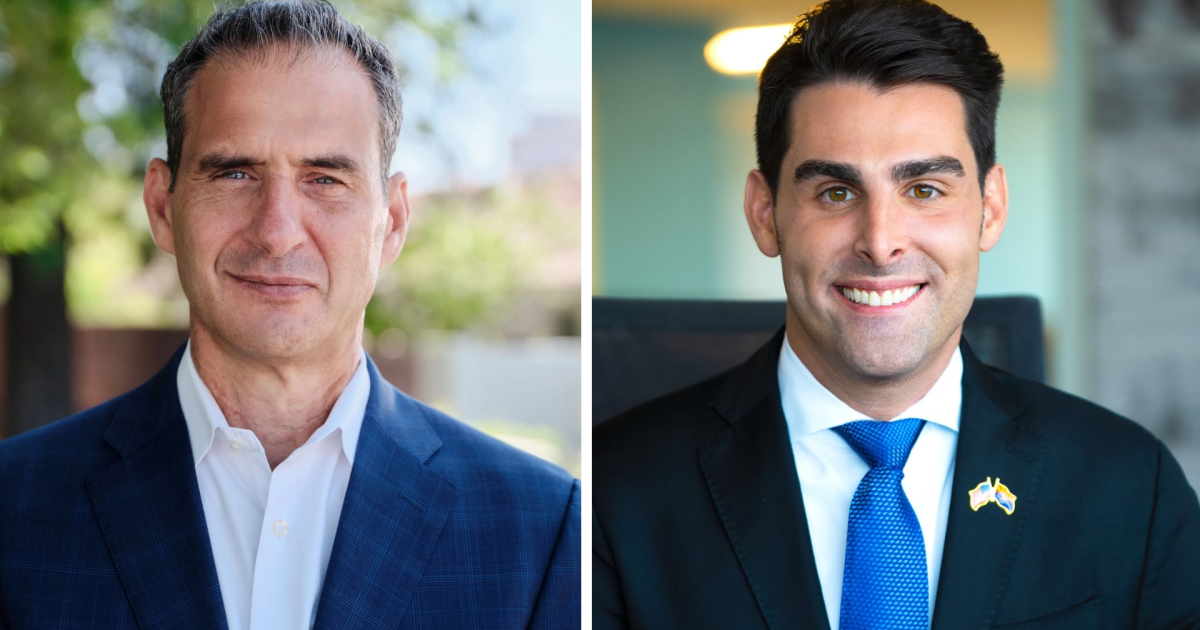
In the race for the seat, Democrat Chedrick Greene, a firefighter and ex-aide to McDonald Rivet, secured a commanding 60% in the Democratic primary. His opponent, Republican Jason Tunney, an attorney with a background in his family’s roofing business, emerged victorious in the GOP primary with a 51% vote share. Libertarian Ali Sledz also joins the race.
District 35, encompassing parts of Bay, Midland, and Saginaw counties, is a competitive terrain. Although Donald Trump carried these counties in the 2024 presidential election, the district’s voters leaned slightly Democratic in both the 2022 state Senate and 2020 presidential races, favoring Joe Biden and McDonald Rivet. In 2024, Kamala Harris narrowly bested Trump in the district by a margin of 49.7% to 48.9%, largely due to her strong lead in Saginaw County.
The special election, announced by Governor Gretchen Whitmer in August 2025, will fill the seat for the remaining eight months of the term. Both Greene and Tunney have expressed intentions to run for a full term in the upcoming August primaries.
Polling stations for Senate District 35 will close at 8 p.m. ET, with the election featuring only the three candidates as write-in options were not filed. Registered voters in the district can participate, with same-day registration available. Details on the special election.
Voter turnout is a critical factor, as nearly 46,000 ballots were cast during the February special primary. The 2022 general election saw approximately 116,000 voters, with a similar distribution across the counties. Early and absentee voting played a significant role, comprising 43% of the Democratic primary votes and 29% of the Republican votes earlier this year. As of the last tally, 32,000 ballots had already been submitted for the special election.
Vote counting has a specific pattern in the district: Bay County typically releases pre-Election Day votes at the end, while Midland and Saginaw counties provide updates throughout election night. In the 2022 election, results began to surface 53 minutes after polls closed, with nearly all votes counted by early morning.
As the state awaits the results that could sway the Senate’s dynamics, the Associated Press remains cautious, declaring winners only when the outcome is beyond doubt. Michigan’s recount laws don’t automatically apply to state Senate races, but candidates can request a recount if desired. The AP will continue to track developments, ensuring transparency and clarity in reporting.
With the primary and midterm elections on the horizon, the outcome of this special election will set a significant precedent for Michigan’s political landscape.
—
Read More Michigan News