In a world where tobacco companies have long been scrutinized for their marketing tactics, a new chapter unfolds, revealing how these strategies have infiltrated the food industry. The 1980s marked a pivotal period when tobacco giants ventured into the realm of ultra-processed foods, using their expertise to captivate consumers once again.
University of California, San Francisco’s Laura Schmidt, a seasoned researcher, is delving into the archives of tobacco companies. Her examination highlights the parallels between the strategies used to market cigarettes and those now employed to promote ultra-processed foods. Schmidt, alongside other researchers, has contributed to a series of papers featured in the American Journal of Public Health, advocating for a new campaign against the over-consumption of these foods.
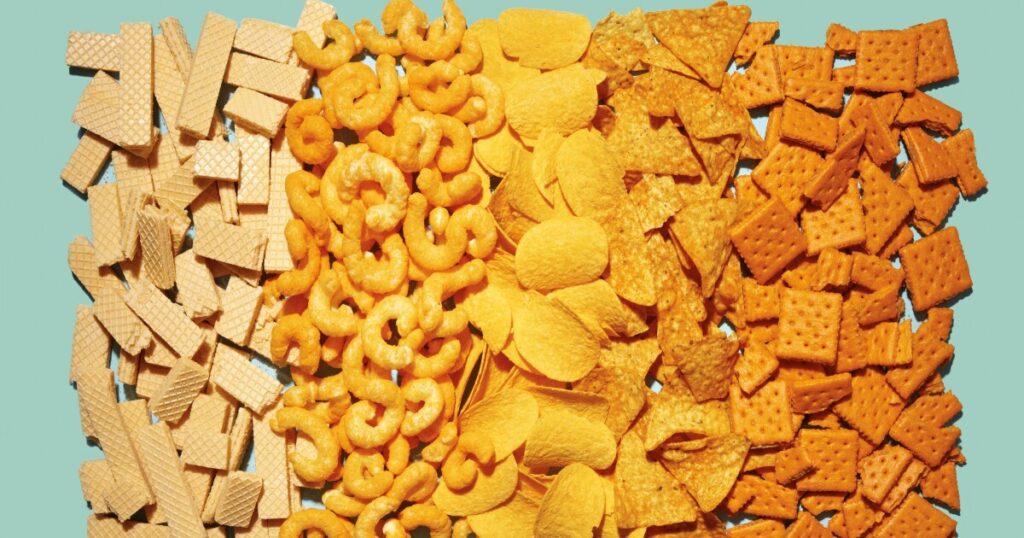
These ultra-processed foods—ranging from chips to sodas—are now staples of the American diet, yet they pose significant health risks. Nicholas Chartres, an associate editor, emphasizes that these products not only contribute to chronic diseases but were also strategically developed by tobacco and food companies to be addictive.
How Tobacco Industry Tactics Influenced Food Production
During the 1980s, tobacco powerhouses expanded their empires by acquiring major food companies. Philip Morris and RJ Reynolds, known for their cigarettes, once owned Kraft General Foods and Nabisco, respectively. This era saw the rise of ultra-processed food production in the U.S., according to Schmidt.
Tobacco firms spent years perfecting the addictive allure of cigarettes with chemical additives, a technology they later applied to food manufacturing. “The very technologies that were used to figure out how to optimize the addictive properties of nicotine using added sugar and artificial flavorings – that core technology was transferred from the tobacco industry to ultra-processed food development,” Schmidt explains. Her study investigates how Philip Morris utilized these techniques to create products like Lunchables.
The marketing strategies honed in the tobacco industry also found their way into food marketing. The concept of “king-size” products, initially a method to promote larger cigarettes, was adapted for snacks and candies. Companies developed “light” and “reduced” food products to retain health-conscious consumers, as explained by Tera Fazzino of the University of Kansas.
Fazzino’s research highlights how tobacco companies, while owning food firms, flooded the market with hyper-palatable foods—those with high levels of fat, sugar, and sodium that trigger the brain’s reward system.
Former Philip Morris CEO’s sentiments, as noted by Schmidt, liken the ultra-processed food business to tobacco, referring to both as low-cost consumer packaged goods with vast markets.
Research Adds Weight to Health Concerns
The papers also address the health and environmental repercussions of ultra-processed foods. Existing research links these foods to detrimental health outcomes, including obesity and diabetes. New studies, such as one tracking over 5,000 older Americans, suggest a connection between high consumption of these foods and cognitive decline.
Environmental concerns are also spotlighted, as highlighted in an editorial. Companies like Coca-Cola and Pepsi have been identified as significant plastic polluters, exacerbating environmental degradation.
Public Support for Regulatory Change
Public sentiment is shifting, with a survey indicating bipartisan support for government regulation of ultra-processed foods. Lindsey Smith Taillie from the University of North Carolina suggests a convergence of scientific evidence, public backing, and political motivation may lead to policy changes akin to those in the tobacco industry.
State-level changes and litigation could play crucial roles in addressing these issues. New York University’s Jennifer Pomeranz points to the potential for legal action, mirroring the lawsuits against tobacco companies in the ’90s, as a means to challenge the food industry’s impact on public health.
Pomeranz emphasizes the urgency, noting the current momentum for reform in the food industry, reminiscent of the early 20th century Food and Drug Act.
Copyright 2026 NPR
—
Read More Michigan News