New Steps to Address Colorado River Crisis Announced by Federal Government
In response to the ongoing crisis affecting the Colorado River, a new proposal from the U.S. Bureau of Reclamation aims to reduce water usage by Arizona, California, and Nevada. This initiative seeks to avert further depletion of this crucial water source.
While this proposal temporarily shields Colorado, Utah, New Mexico, and Wyoming from mandatory water reductions, it highlights the urgent need for a comprehensive long-term strategy. The dependence of the Western U.S. on the Colorado River remains a pressing concern.
According to a Department of the Interior press release, the Lower Basin states are facing potential water cuts amounting to 3 million acre-feet by 2036, contingent upon hydrological conditions. This volume of water could meet the annual needs of over 25 million people.
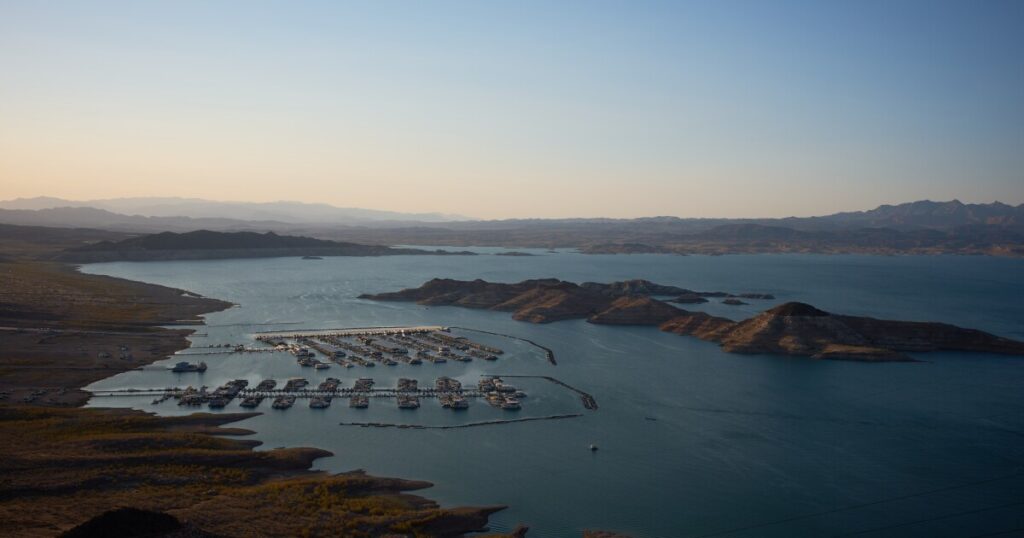
The plan also includes provisions for annual releases of 5 million to 12 million acre-feet from Lake Powell, the second-largest reservoir in the basin. Water management decisions will be revisited every two years under this federal framework.
“This framework provides the flexibility to respond to changing hydrologic conditions while preserving the opportunity for the Basin States to continue working toward durable, consensus-based solutions,” stated Secretary of the Interior Doug Burgum in the press release.
The Lower Basin states’ proposed reductions represent the most significant cuts thus far, potentially impacting urban areas and agriculture. Consequences could include increased water costs, a shift towards groundwater reliance, reduced agricultural output, and the introduction of new conservation mandates.
The federal proposal follows years of challenging negotiations and a historically dry winter, which have together pushed Colorado River reservoirs to record low levels. Finalization of the plan by federal authorities is anticipated shortly.
The Colorado River, stretching 1,450 miles, is a lifeline for more than 40 million people across seven U.S. states, several tribal nations, and Mexico. It also supports agriculture, wildlife, industries, and hydropower. However, overuse and climate change have drastically reduced the river’s flow over recent decades.
—
Read More Arizona News