Tuesday’s primary elections unfolded with a twist, offering something for everyone across the political spectrum. From victories for the Democratic establishment and progressives to endorsements from former President Trump shaping Republican outcomes, the day was a testament to the complex political landscape.
Key races in states like Kansas, Michigan, Missouri, Virginia, and Washington are pivotal in determining the balance of power in the upcoming Congress. However, the Democratic primary for a Senate seat in Michigan stands out as it remains unresolved, highlighting the preferences of swing voters as the general election approaches.
The primary results reveal a pronounced division within the Democratic Party, pitting traditional establishment candidates against their progressive counterparts. Meanwhile, Trump’s influence over Republican candidates remains strong, even as some Republican priorities were rejected in ballot measures in traditionally conservative states.
Progressive Influence and Democratic Dynamics
Both wings of the Democratic Party emerged with victories, though establishment Democrats claimed more wins than progressives on Tuesday.
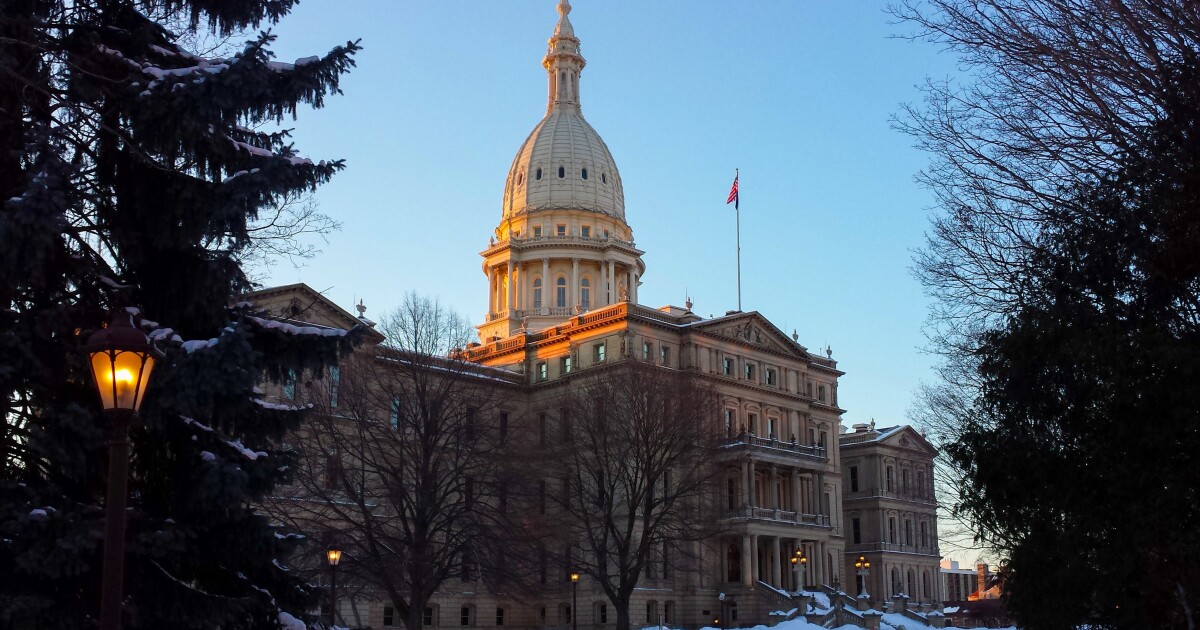
The most significant test for progressives is the undecided Michigan Senate race. Former county health director, Abdul El-Sayed, led against Rep. Haley Stevens as of early Wednesday. This contest is crucial for progressives, as a win for El-Sayed would demonstrate support for populist policies like Medicare for All in a swing state. Conversely, Stevens represents the establishment’s moderate stance.
Regardless of the outcome, the race underscores the significant divide among Democratic primary voters. The winner will face Mike Rogers, a former U.S. Representative, in the general election.
Bill Pugliano / Getty Images
/
Getty Images
Elsewhere in Michigan, progressive William Lawrence secured a win in a competitive district, positioning himself against incumbent Rep. Tom Barrett in the November election.
In other races, establishment Democrats saw successes in Missouri and Virginia. U.S. Rep. Wesley Bell, supported by the national party, won against progressive-backed Cori Bush in Missouri’s 1st Congressional District. Bell will now face Republican Paul Berry, although the district is considered safely Democratic. Virginia Democrats picked establishment candidates for two House seats, aiming to flip them in November and boost their chamber control.
Financial Dynamics in Campaigns
The issue of money in politics was prominent, particularly in Michigan’s Senate race. Progressive candidate El-Sayed criticized the pro-Israel PAC AIPAC for its considerable financial influence, as it backed Stevens significantly. Whether this financial backing will translate into a victory remains unclear.
According to Open Secrets, Michigan saw $52 million in outside spending by mid-July, ranking it among the most expensive races after Texas.
In St. Louis, AIPAC’s support for Rep. Bell was due to his stance on U.S. aid to Israel, aiming to prevent a seat from going to a candidate potentially critical of Israel.
Trump’s Enduring Influence on Republicans
Trump-endorsed candidates triumphed in Washington, Kansas, and Michigan primaries.
In Washington’s 4th district, Trump-backed Amanda McKinney emerged victorious among 11 contenders. This seat, previously held by a Republican who voted for Trump’s impeachment, will see McKinney face Democrat John Duresky in November.

Scott Olson / Getty Images
/
Getty Images
Trump-endorsed candidates also secured gubernatorial nominations in Michigan and Kansas. In Michigan, Rep. John James will compete against Secretary of State Jocelyn Benson, while in Kansas, Ty Masterson will face Cindy Holscher. Despite Trump’s previous victories in these states, their differing political landscapes pose unique challenges.
These developments illustrate Trump’s continued sway over the Republican electorate, even amid economic discontent and geopolitical tensions.
Defeat for GOP-Backed Ballot Measures
Republicans faced setbacks with ballot initiatives in Missouri and Kansas.
Kansas voters rejected a proposal to elect state supreme court justices, maintaining the current appointment system. This decision preserves the court’s composition, mostly appointed by Democratic governors, which has upheld abortion rights, among other issues.
In Missouri, voters turned down a Republican-led effort to complicate the amendment process. The proposal aimed to require majority approval in each congressional district, a significant hurdle for future amendments.
Both outcomes reflect voter resistance to Republican initiatives, signaling broader political currents at play.
Copyright 2026 NPR
—
Read More Michigan News