Article Summary –
The Centers for Medicare and Medicaid Services will end the Medicare Part D Premium Stabilization Demonstration program in 2026, which provided subsidies to make prescription drugs more affordable for 25 million subscribers. The Biden administration initially launched the program in 2024, offering subsidies and capping premium increases, but the Trump administration later reduced the subsidies and allowed higher premium increases, leading to concerns about rising costs for seniors. Critics argue that ending the program will burden seniors with higher prescription costs, while CMS claims the market has stabilized and most beneficiaries will experience minimal cost changes.
The Centers for Medicare and Medicaid Services announced in a memo dated July 28 that it will end a program at the end of 2026 that has made prescription drugs more affordable for about 25 million Medicare Part D subscribers.
In July 2024, under President Joe Biden, the agency launched the Medicare Part D Premium Stabilization Demonstration, a voluntary program providing subsidies for standalone prescription drug plans. The demonstration included a $15-a-month subsidy for 2025 and capped premium hikes at $35 annually.
For 2026, the Trump administration reduced the subsidy to $10 monthly and permitted premiums to increase by up to $50.
Center for Medicare deputy administrator John Brooks stated: “For CY 2027, CMS analysis shows Part D plan sponsors had enough experience under the redesigned Part D benefit to support their assumptions in developing prescription drug plan (PDP) bids. Thus, CMS will end the demonstration in CY 2026, returning to traditional market conditions in CY 2027.”
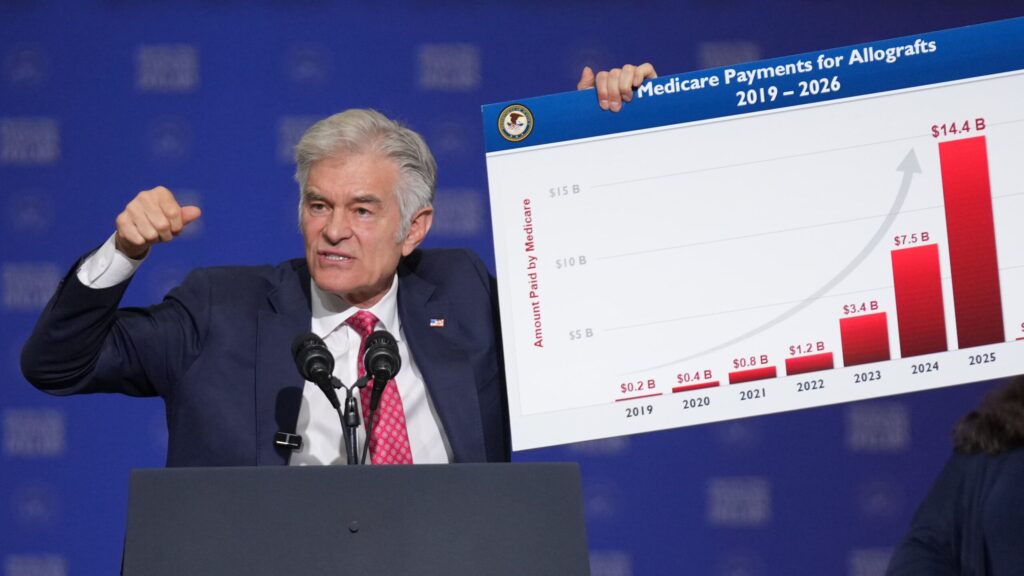
CMS administrator Mehmet Oz posted on X: “The Biden admin gave BILLIONS of taxpayer money DIRECTLY to Big Insurance Companies. This is unacceptable. We are stabilizing the market, so this bailout is no longer needed.”
A Trump administration official told the Wall Street Journal that 30% of Medicare Part D subscribers would see their monthly bills increase by less than $10, and 45% would see an increase of $11 to $20. Others will not see a change or will experience a decrease.
According to Juliette Cubanski, “Without these subsidies for 2027, some Part D stand-alone drug plan enrollees could face a larger premium increase for drug coverage next year, though plan-specific premium amounts are not yet known.”
During his 2024 campaign, President Donald Trump promised to rapidly reduce prices, stating: “We’re going to make America affordable again.”
Leslie Dach, chair of Protect Our Care, said in a statement: “Donald Trump and Republicans are making health care more expensive for seniors. … Seniors deserve lower prescription drug costs and affordable health care. Instead of lowering costs, they force seniors to pay more while handing tax breaks to billionaires and big corporations.”
A CMS spokesperson said: “The Part D market is stabilizing following three years of disruption due to the Inflation Reduction Act redesign. … Our data shows that plan bids have stabilized; over 85% of beneficiaries will have access to a Part D plan that is either lower cost or less than a $10 increase next year.”
On Aug. 4, 50 Democratic members of Congress sent a letter urging Oz to reverse the program’s termination, emphasizing its role in stabilizing drug prices for nearly 25 million people amid rising costs.
The White House press office did not immediately respond to a request for comment.
—
Read More Michigan News