A Meteorite Mystery at the Grand Canyon Unravels
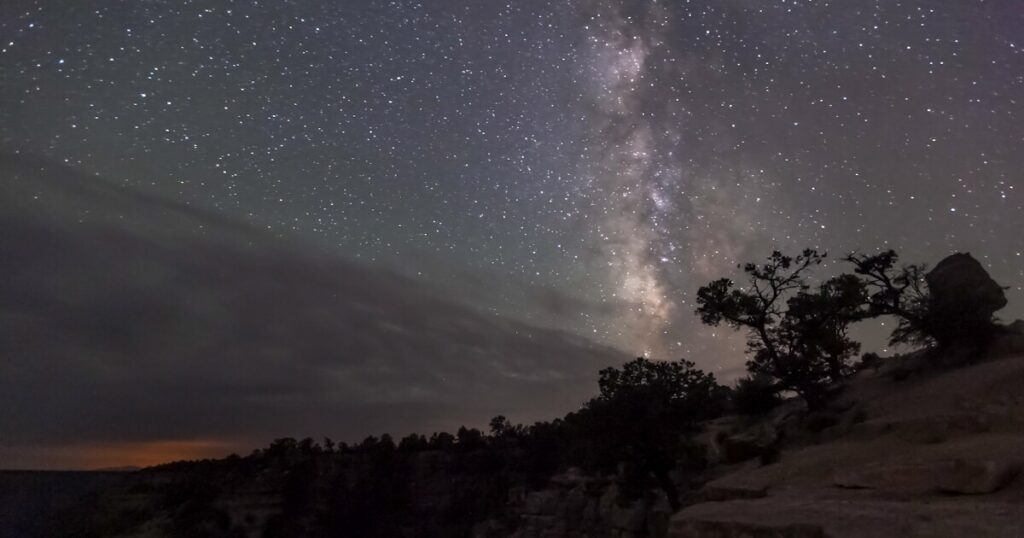
An extraordinary event unfolded on October 9, 1946, captivating a group working on the Kaibab Trail at Grand Canyon National Park. As they observed a meteor shower from Comet Giacobini-Zinner’s remnants, a meteorite seemingly burst above them, accompanied by a dazzling flash and a lingering smoke trail.
Moments later, an object struck the ground with a noticeable thud near the group. Initially too hot to touch, it took an hour to cool down. However, subsequent expert evaluation revealed an unexpected twist to the tale.
As celestial bodies plummet to Earth, they travel at staggering speeds ranging from 11 to 45 miles per second. The immense friction they encounter in the atmosphere causes their surfaces to reach extreme temperatures, making them glow intensely. While smaller meteors disintegrate entirely, those the size of a grape or larger develop a thin, re-solidified fusion crust after temporarily melting.
Upon entering the lower atmosphere, meteorites lose their luminosity, transitioning into a phase known as ‘dark flight.’ Contrary to popular belief, freshly fallen meteorites are typically warm, with some being so cold that initial contact can be startlingly frigid.
These space travelers endure deep space temperatures plunging to -150 Celsius, and their brief atmospheric journey doesn’t allow entry heat to penetrate beyond the fusion crust.
As for the purported 1946 Grand Canyon meteorite, the truth emerged two years later. A trail crew member confessed to orchestrating a prank, tossing a clinker from the cook-stove to astonish his colleagues.
This Earth Note is funded in part by Pink Jeep Tours, written by Diane Hope and produced by KNAU and the Sustainable Communities Program at Northern Arizona University.
—
Read More Arizona News