In the heart of central Uganda, where banana groves stretch far and markets buzz with activity, a quiet revolution in HIV prevention is underway. Irene, a 22-year-old resident of Kalisizo, is part of this transformation, having participated in a groundbreaking clinical trial for lenacapavir, a medication offering hope in a region heavily impacted by HIV.
Irene’s decision to join the trial was influenced by her uncle’s struggles with HIV, which she describes as a life-altering condition. “Once you get it, your life changes for the worse,” she noted. However, for Irene and her unborn child, HIV is no longer a looming threat, thanks to lenacapavir, a drug that has proven effective in preventing the disease.
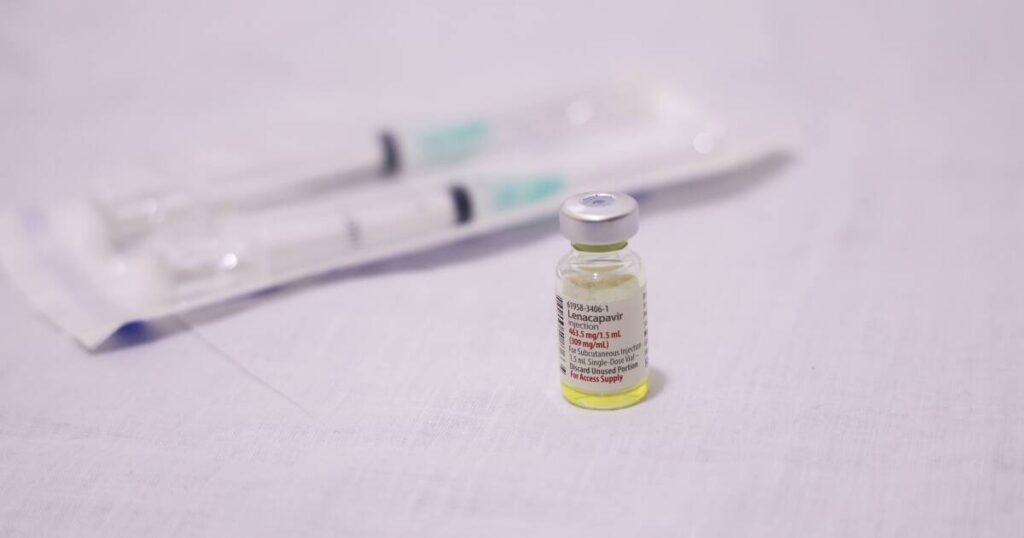
Lenacapavir, approved as a pre-exposure prophylaxis (PrEP) medication, addresses common issues with daily pill adherence by offering a biannual injection option. Clinical trials, such as PURPOSE 1 and 2, have shown lenacapavir’s remarkable efficacy, leading to early termination of the placebo-controlled phases to offer the drug to all participants.
Recent findings presented at the International AIDS Conference indicated that the drug maintained its protective effects a year after administration. In the PURPOSE 1 trial, involving nearly 4,200 women, none acquired HIV, demonstrating the drug’s potential to significantly impact HIV prevention.
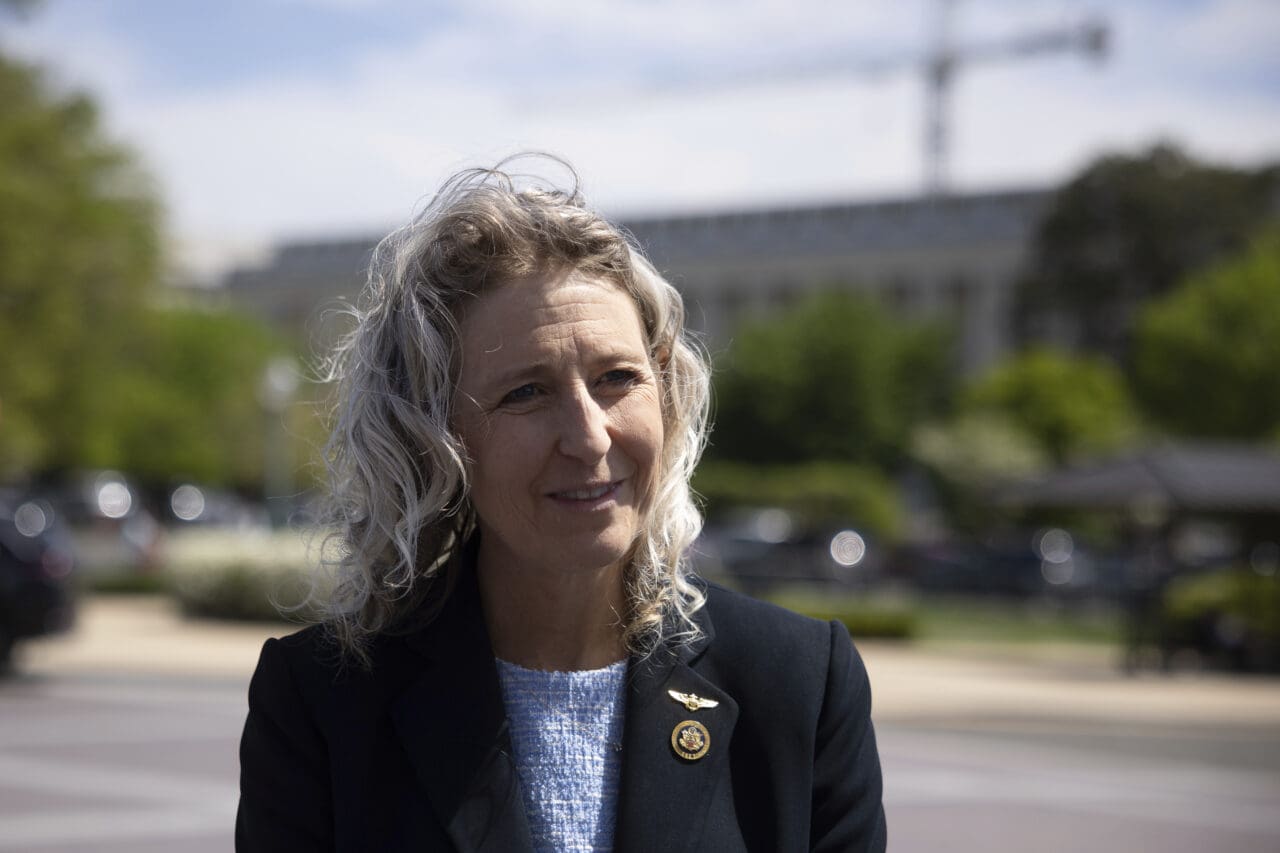
Dr. Flavia Matovu Kiweewa, who led the PURPOSE 1 trial in Uganda, emphasized lenacapavir’s innovative approach in HIV prevention. She explained that unlike other drugs that act as security guards at a single point, lenacapavir provides protection at multiple stages of the HIV lifecycle, akin to having guards throughout a building.
A Complex Rollout
Despite its promise, the rollout of lenacapavir has encountered challenges. Approved by the U.S. FDA, the drug’s distribution has been uneven, with concerns over pricing and availability. Uganda recently received its first shipment of the drug, yet some high-risk areas were not included in the initial distribution.
Health officials, like Amiri Kabuye in Kasensero, report limited supply, with only a small number of residents receiving doses. The lack of consistent supply raises questions about future access, as demand outpaces availability.
Critics argue that the current distribution strategy is insufficient, likening it to a “drip feed” that leaves many vulnerable to HIV exposure. The Ministry of Health has not provided detailed responses to these concerns, fueling skepticism about long-term plans.
Global and Local Challenges
Global health organizations and pharmaceutical companies are working to address cost barriers, with efforts to produce generic versions of lenacapavir by 2027. Meanwhile, local health systems in Uganda face staffing shortages and logistical hurdles, exacerbated by recent U.S. aid cuts.
As of now, approximately 980 Ugandans have begun using lenacapavir, but the gap between those who need the drug and those who have access remains significant. Discussions continue on how to best bridge this divide while leveraging existing HIV prevention tools.
Oral PrEP remains a vital part of prevention strategies, despite its own challenges. In some areas, community-led initiatives are helping to fund PrEP distribution, highlighting the resilience and determination to combat HIV.
Looking Ahead
As Irene prepares for motherhood, the hope is that lenacapavir and other advances will continue to reshape the landscape of HIV prevention in Uganda and beyond. However, sustained efforts and innovative solutions are needed to ensure these breakthroughs reach all who can benefit from them.
This article was supported by the Pulitzer Center.
—
Read More Michigan News