Michigan’s Voter ID Amendment Blocked from November Ballot
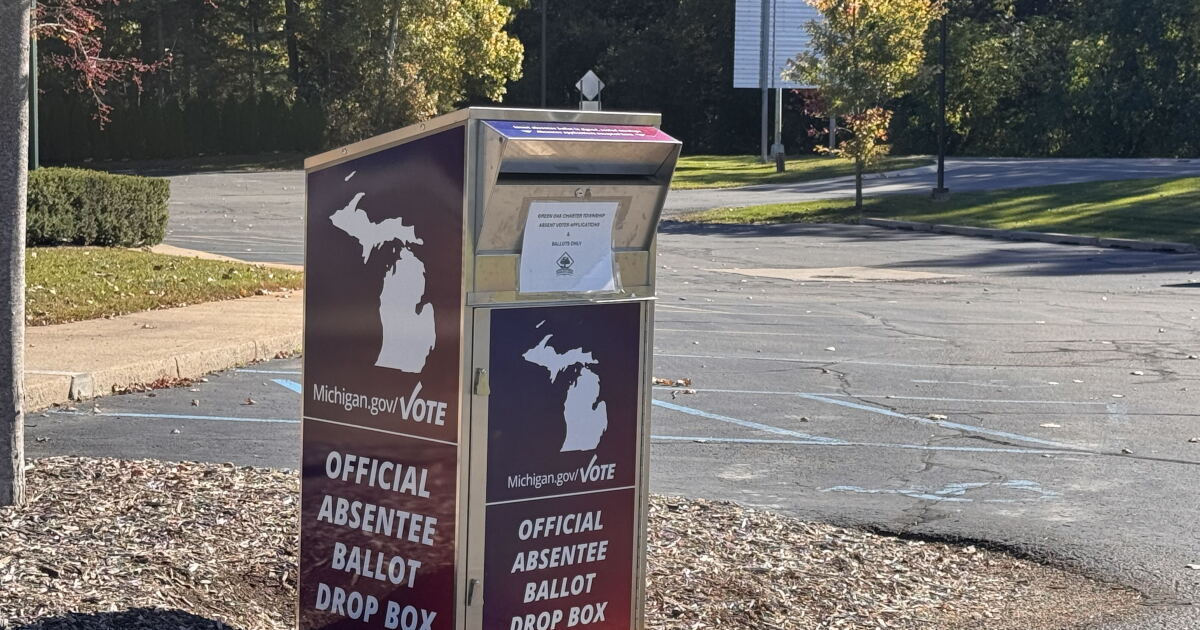
A significant proposal to amend the Michigan Constitution requiring proof of citizenship for voter registration will not appear on the November ballot. Both the U.S. and Michigan Supreme Courts have rejected the amendment, marking the conclusion of its judicial path.
The proposed amendment also stipulated that voters must present photo identification at polling stations or within six days post-election for their ballots to be counted.
The Michigan Board of State Canvassers had previously deadlocked over whether the Americans for Citizen Voting Michigan campaign had gathered enough valid signatures to qualify for the ballot. The absence of a majority decision halted the campaign’s progress.
Following this, the campaign appealed to the Michigan Supreme Court to place the amendment on the ballot. When no decision was made by their requested deadline, they sought intervention from the U.S. Supreme Court.
After considering briefs from both sides, U.S. Supreme Court Justice Brett Kavanaugh denied the request for an emergency injunction against the state canvassers’ decision.
The campaign expressed disappointment, emphasizing the support of hundreds of thousands of Michigan residents. “We are deeply disappointed by today’s decision, particularly for the nearly 710,000 Michigan citizens who put their names on this petition believing they would have an opportunity to vote on it,” spokesperson Kristin Combs stated.
The validity of these 710,000 signatures was contested, with a sample reviewed by the Bureau of Elections revealing numerous discrepancies.
The Michigan Supreme Court’s order to end the campaign’s legal efforts came shortly after the U.S. Supreme Court’s refusal to intervene.
A total of 446,198 valid signatures were required for ballot inclusion. Following evaluation, the campaign was 17 signatures short. Attempts to rectify some signatures with affidavits resulted in the acceptance of 14 additional signatures, leaving the campaign three signatures shy.
Disagreements among the Board of State Canvassers, particularly concerning affidavits submitted within 48 hours preceding the board meeting, contributed to this shortfall. The Michigan Supreme Court upheld this deadline.
Justice Elizabeth Welch noted, “MCL 168.476(1) does not mandate the Board to accept affidavits to rehabilitate rejected signatures, nor does it dictate the process of reviewing affidavits if the Board chooses to do so.”
Justice Brian Zahra, the court’s lone conservative, advocated for reconsidering four timely yet rejected affidavits.
Americans for Citizen Voting chair Paul Jacob voiced dissatisfaction, stating, “Nearly 710,000 Michiganders did exactly what their Constitution invited them to do: they signed a petition asking to put an issue before their fellow citizens.”
With the statutory deadline for finalizing the ballot imminent, and the Board of State Canvassers unlikely to alter their decision, the campaign shifts focus to the 2028 election.
—
Read More Michigan News