Controversy Surrounds Mexican Gray Wolf Delisting Proposal
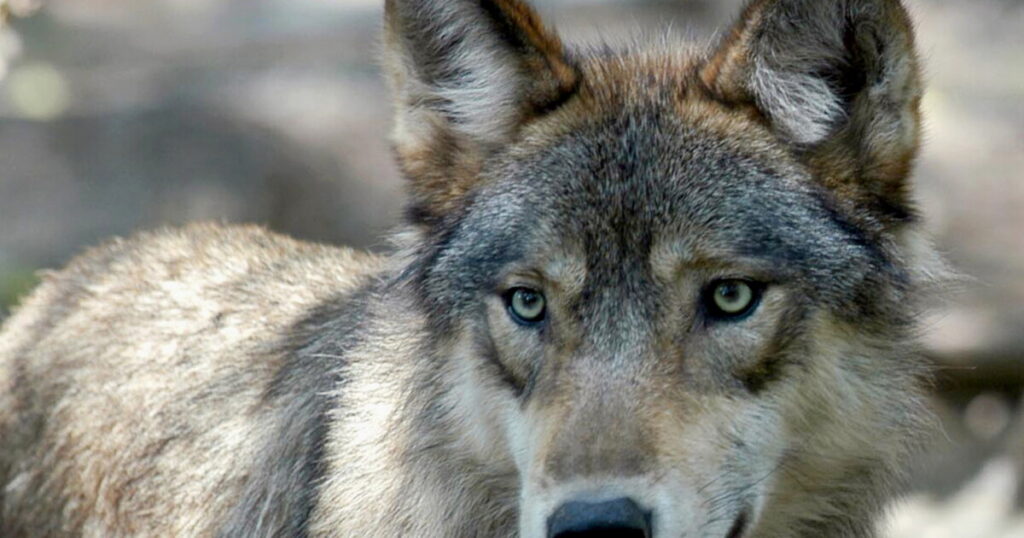
In a move that has sparked significant debate, President Donald Trump has issued an executive order that could lead to the Mexican gray wolf’s removal from the federal endangered species list. This directive tasks the Interior Department with evaluating the wolves’ status within 90 days to consider their potential delisting or downlisting.
The executive order aligns with Trump’s broader initiative to alleviate ranchers’ concerns, potentially granting them more leeway in managing wolves that pose a threat to their livestock. However, environmental groups argue that the focus on wolf management might not significantly address ranchers’ broader challenges.
“The impact of wolves on the livestock industry pale in comparison to the impacts of recent trade agreements and the reality of ranching in the arid West under changing climate conditions,” stated Greta Anderson, Deputy Director of Western Watersheds Project.
Meanwhile, Arizona wildlife officials have already started preparing a petition for the downlisting of the Mexican gray wolf, citing that the species has reached important population benchmarks as outlined in their recovery plan. This plan targets an average population of 320 wolves across Arizona and New Mexico over a four-year period, with last year’s count identifying at least 319 in the wild.
Efforts to bolster the wolf population extend beyond U.S. borders, with initiatives to release wolves in Mexico. A recent transfer of 12 wolves from the U.S. to Mexico marks a step towards recovery, prompting U.S. Fish and Wildlife Service officials, alongside state wildlife departments, to prepare for potential changes in the wolves’ protected status.
Despite these developments, wolf advocacy groups caution against premature downlisting due to genetic diversity concerns. “Weakening federal protections now would put decades of recovery work at risk,” warned Claire Musser, Executive Director of the Grand Canyon Wolf Recovery Project, emphasizing the ongoing need for federal protection.
The debate continues as state and federal biologists conduct their annual winter surveys, utilizing helicopters, planes, and trucks to monitor and count the endangered Mexican gray wolves across Arizona.
—
Read More Arizona News