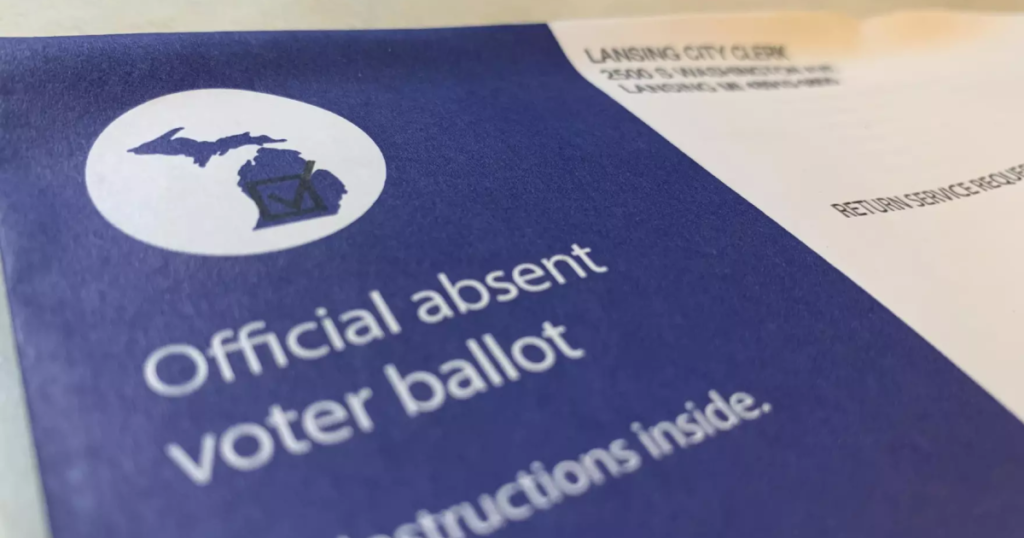
The start of mail voting for the midterm elections this year has been marked by legal challenges and concerns about the Postal Service. This situation stems from President Donald Trump’s efforts to restrict mail voting and the potential impact of postal changes on ballot rejections.
This has created an atmosphere of uncertainty surrounding a voting method that is popular among a significant portion of voters in the United States.
On Friday, North Carolina began distributing mail ballots as part of the elections that will influence the congressional balance of power during Trump’s presidency. Despite ongoing litigation, election officials say they are ready to proceed with mailing ballots and ensuring election security.
“We believe that we are well positioned,” noted Sam Hayes, executive director of the State Board of Elections, during a news briefing.
President Trump has persistently criticized mail voting, incorrectly attributing his 2020 election defeat to it, despite having voted by mail himself. In March, he issued an executive order aiming to impose new restrictions on mail voting processes, which encountered legal obstacles.
Election Offices Strive to Mitigate Voter Confusion
Headlines about the executive order and ensuing court challenges have led to voter confusion, as acknowledged by election officials.
“The biggest part of this is that it has sparked questions about what it is. ‘What does this mean? What are you guys doing? Can I not vote by mail anymore?’” explained Michael Dickerson, director of the Mecklenburg County Board of Elections. He assured voters, “it’s a safe and secure process.”
Meanwhile, North Carolina election workers have been preparing for the mail ballot distribution deadline, processing absentee request forms, and ensuring ballot accuracy.
“I guarantee you” votes will start arriving promptly, particularly from military and overseas voters, said Dickerson.
‘Business as Usual’ for North Carolina
North Carolina officials, including Attorney General Jeff Jackson, have opposed Trump’s executive order, arguing that it’s too late for significant changes in this election cycle. Hayes emphasized that the state is ready for robust voter turnout.
While the State Board of Elections has taken initial steps to comply with the order, such as submitting envelopes for USPS approval, they have withheld voter information pending legal outcomes.
Postmaster General David Steiner reassured the public about the Postal Service’s commitment to securely handling election mail, amidst concerns about mail delivery efficiency.
Impact of USPS Changes on Mail Ballots
Election officials elsewhere have attributed a rise in mail ballot rejections to changes in USPS mail processing, which could delay postmarking. In California, a significant number of mail-in ballots were rejected for being postmarked late during the June primary.
Washington state also reported an increase in mail ballot rejections due to late postmarks. The Postal Service clarified that while postmarking practices remain unchanged, operational adjustments may affect postmark dates.
States Gear Up for Mail Voting
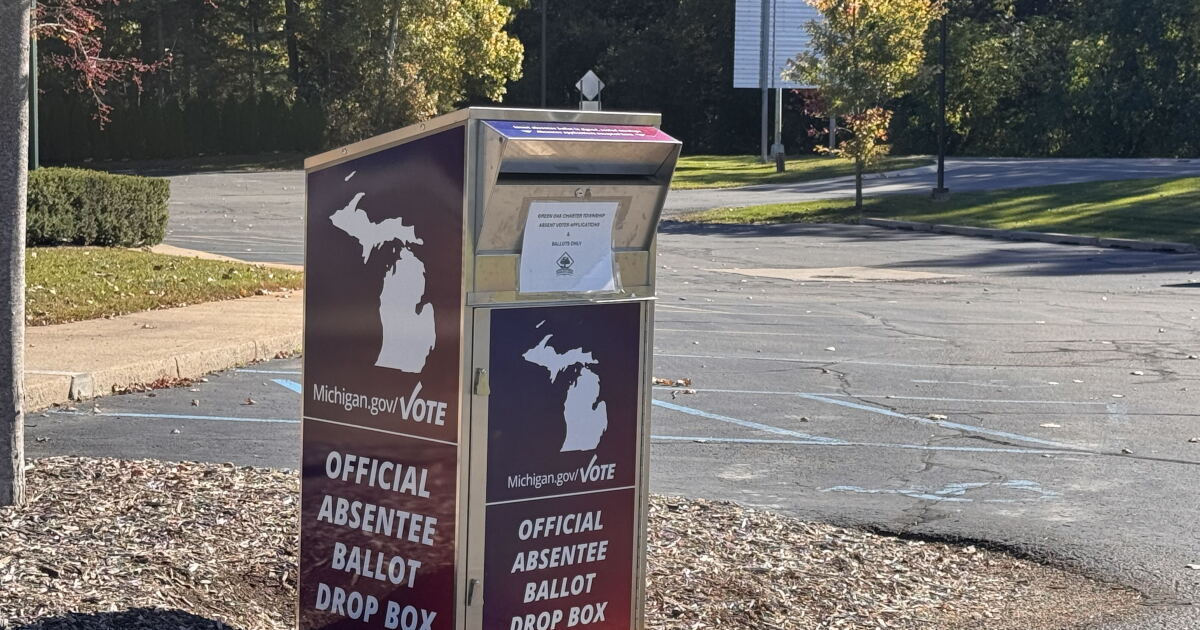
More states are set to commence their mail ballot processes, with Alabama and Michigan scheduled for later this month. By mid-September, all states are required to send ballots to military and overseas voters.
David Becker, from the Center for Election Innovation and Research, voiced concerns about implementing major election changes this late, noting, “The first ballots being mailed only confirms this fact.”
Wisconsin’s Election Commission Chair Don Millis remarked on the potential chaos if Trump’s executive order proceeds, as local clerks have begun sending mail ballots earlier than usual.
—
Read More Michigan News