In the wake of the recent flash flood tragedy at Grand Canyon National Park, questions have surfaced regarding the influence of the previous year’s Dragon Bravo Fire. While wildfires often exacerbate flood risks, experts suggest this particular blaze had a limited role in the recent event.
Impact of Dragon Bravo Fire on Flood Risks
The 145,000-acre Dragon Bravo Fire initially raised concerns among scientists about potential increased runoff and flash flooding risks within the affected region. Such outcomes are common, especially following wildfires that significantly alter soil conditions.
Abe Springer, a Northern Arizona University ecohydrogeology professor, notes, “Fires with moderate to high severity turn the soils more easily erodible. And depending on how long it is after the fire, it takes time for the soils to recover that natural function to resist erosion.”
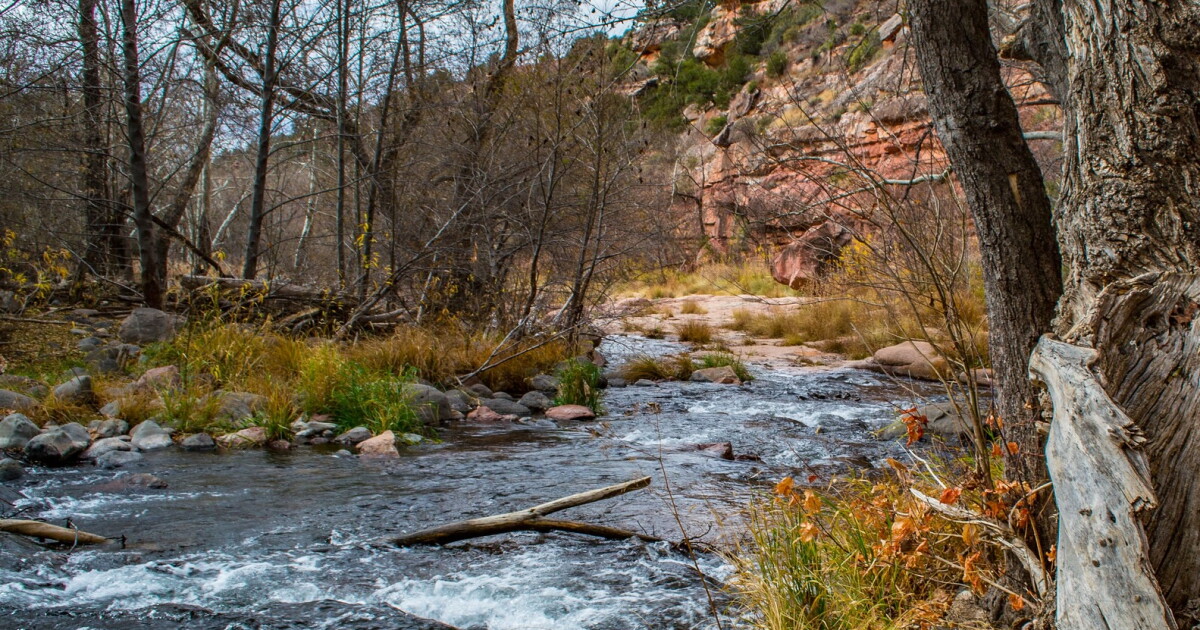
Springer, who has extensively studied water flow on the North Rim, explains that the Grand Canyon’s unique topography inherently predisposes it to flash floods, independent of fire impacts. He clarifies, “This steep topography, rocky, cliff-sided landscape in Grand Canyon naturally always yields more runoff than many other areas.”
He further adds that Bright Angel Canyon, part of the Dragon Bravo Fire’s reach, experienced less severe burning compared to other areas.
“By far most of the Dragon Bravo fire was in watersheds other than the Bright Angel Creek watershed. And of the Bright Angel Creek watershed, a very small percentage of it was moderate to high severity fire,” Springer states.
Meteorological Insights on the Recent Flooding
Meteorologists from the National Weather Service (NWS) support the notion that unburned areas contributed significantly to the flooding. NWS meteorologist Justin Johndrow mentions, “The unburned areas, we think, contributed to the majority of the flooding. There was some rain on the burn scar, but it was kind of a small area of the burn scar.”
The flash flood on August 29 followed three waves of storms, heavily impacting the inner canyon areas. Notably, a rain gauge near Phantom Ranch measured over an inch of rain in just 30 minutes.
“It was just the intensity of the rain that came through at about 2:30 p.m. [on Aug. 29] was extremely heavy,” Johndrow explains. “The ground was already wet. The creeks were already running a little bit, and that half-inch to 1 inch of rain in 30 minutes, mainly over the unburned areas, looks, to us, like what resulted in the flash flooding.”
Aftermath and Continuing Investigations
The intense flooding resulted in water and debris rushing down Bright Angel Creek, tragically claiming the lives of two hikers and prompting ongoing searches for a missing individual. Additionally, the flood caused extensive damage to the Transcanyon Waterline, crucial for the South Rim’s water supply, leading to a significant water crisis in the park.
Springer anticipates that further data collection from rain gauges will provide additional insights into the flood’s causes. He notes the distinct nature of this event, stating, “The unique thing about this flood was it occurred in a place that has a confluence of a high visitor presence in the backcountry and infrastructure that’s important to the national park. There was real tragedy from this event.”
—
Read More Arizona News