Michigan’s Unique University Board Elections: A Closer Look
In a distinctive aspect of Michigan’s electoral process, residents have the opportunity to elect members to the governing boards of major public universities. This November, several of these positions are up for election.
The University of Michigan Board of Regents, Michigan State University Board of Trustees, and Wayne State University Board of Governors have members who serve eight-year terms without compensation. These positions are filled in staggered elections, with two members elected every two years.
Michigan Public has profiled candidates from both parties vying for spots on the University of Michigan’s Board of Regents, exploring their campaign goals and visions for the university’s future.
Republican Candidates
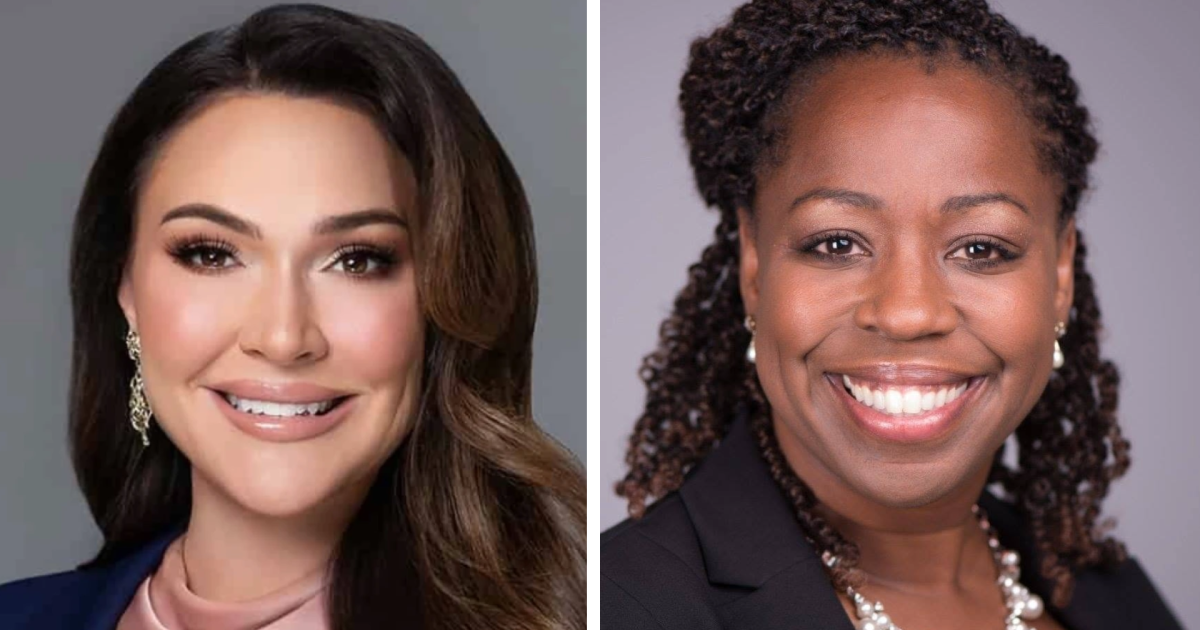
Running on the Republican ticket are Lena Epstein and Michael Schostak. Epstein, co-owner of Vesco Oil Corporation, previously ran for regent in 2022. Schostak, serving as Bloomfield Township treasurer and a former finance lecturer, has positioned himself as a moderate.
Democratic Candidates
Democratic nominees Amir Makled and Paul Brown emerged from a competitive nomination process. Makled, a civil rights attorney, defeated incumbent Jordan Acker, criticizing the university’s surveillance of student protests and policies aligned with the Trump administration.
Brown, a current regent known for his liberal stances, secured renomination with less contention.
Voting Dynamics
Voters can select up to two candidates, with the option to choose from different parties. This flexibility has led to unique cross-party endorsements, such as Acker supporting Brown and Schostak, and the Michigan Daily endorsing Makled and Schostak.
Campaign Focus: Affordability
Affordability remains a central theme, with U of M known as the priciest public university in Michigan. The Go Blue Guarantee has made the university more accessible for in-state students from families earning less than $125,000 annually.
Democrats highlight the program’s success and propose expanding it to certain graduate programs. Makled also supports a tuition freeze and reducing other student expenses.
Republicans share the focus on affordability, with Epstein advocating for tuition cuts and Schostak proposing changes to the Go Blue Guarantee’s asset calculations.
Response to Federal Pressures
The Trump administration’s policies have significantly impacted U of M. Makled advocates for a more confrontational approach, while Brown has both defended and criticized the university’s responses to federal demands.
In contrast, Republicans emphasize maintaining positive relations with the administration, although Schostak acknowledges the need to protect the university’s financial interests.
Local and Statewide Impact
Efforts to increase in-state student enrollment and enhance satellite campuses reflect candidates’ commitments to statewide benefits. The controversial Ypsilanti Township data center project, linked to nuclear research, has been a contentious issue among candidates.
Brown initially supported the project but later opposed it, citing environmental concerns. Makled aligns with local opposition, while Epstein supports the project, and Schostak voices criticism of the university’s approach.
All candidates agree on the importance of free speech and transparency at U of M, though they propose varying methods to achieve these goals.
—
Read More Michigan News