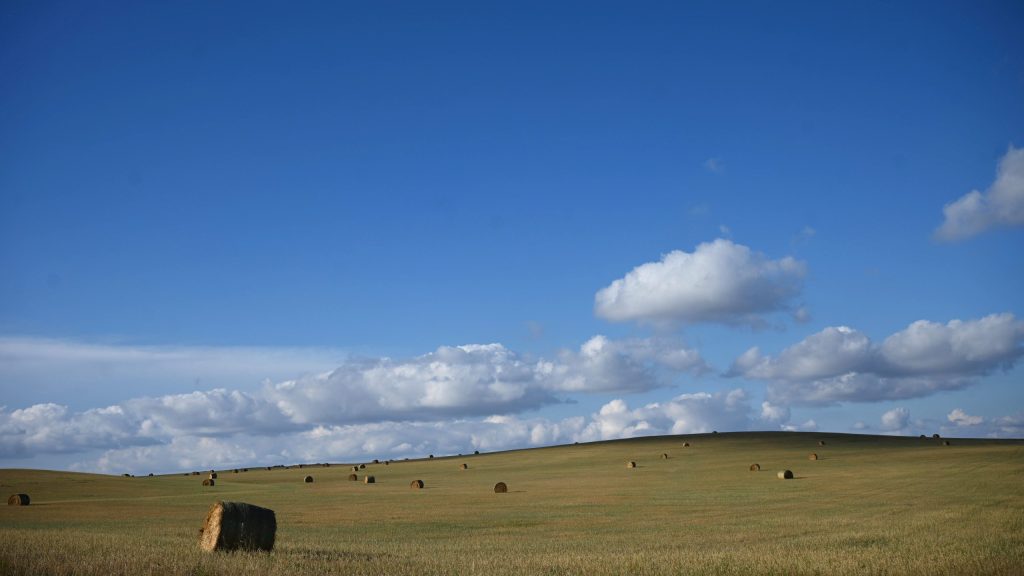
OPHEIM — Standing in his wheat field, Jerry Arnold contemplates a brighter financial horizon with the proposed Bridger Pipeline poised to traverse his land. This 650-mile pipeline is designed to transport Canadian tar sands oil through Montana to Wyoming, offering economic relief to nearly 300 local landowners. The project, blessed with a presidential permit, aims to break ground within a year.
Arnold’s farm, crippled by droughts and low snowpack, might see relief through this pipeline, reminiscent of the previously terminated Keystone XL. The Bridger route, similar to Keystone’s, runs through eastern Montana and Wyoming. Farmers in the area, like Arnold, hope the new pipeline will bring economic stability amidst volatile market conditions and escalating costs.
Bridger Pipeline LLC, based in Wyoming, plans to lay down a 650-mile route that promises significant compensation to landowners for easements. Payments depend on pipe length and negotiation outcomes, with past pipeline projects offering up to $150,000.
Daniels County, with no existing pipelines, stands to gain substantially, potentially boosting its economy and alleviating poverty. Commissioner Tammi Fladager highlights the dire need for economic opportunities, akin to a “pork chop falling on the floor” for eager landowners.
Bridger promises job creation, anticipating 2,000-2,500 construction jobs and 50-100 permanent positions. This economic influx is crucial in a region where pipelines are pivotal revenue sources. However, the project’s environmental risks loom large, especially for communities adjacent to the proposed route.
The route skirts the Fort Peck Reservation, sparking tribal concerns about environmental impacts. Krystal Two Bulls of Honor the Earth criticizes this as a common tactic to skirt tribal lands, risking water contamination. Bridger has assured a route avoiding the reservation, prioritizing agreements with willing landowners.
Safety remains a pressing concern, with Bridger’s history of spills, including a 2015 incident in the Yellowstone River, prompting skepticism. Improvements in safety protocols aim to prevent future spills. The Bureau of Land Management’s environmental review will focus solely on construction emissions, leaving broader environmental impacts unaddressed.
While Bridger engages in technical evaluations to address tribal concerns, questions remain about potential spill response, resource harm documentation, and mitigation plans. The project’s future hinges on numerous approvals and ongoing negotiations, as communities anticipate its economic promise amid environmental uncertainties.
—
Read More Montana News