AM Radio’s Future in New Vehicles Faces Uncertain Path Amid Legislative Efforts
Though a technology with roots over a century old, AM radio continues to play a crucial role in disseminating safety alerts, news, and entertainment across Arizona, often in multiple languages. However, the future of AM radio in new vehicles is currently under legislative scrutiny, as a bipartisan bill aims to mandate its inclusion in all new passenger cars.
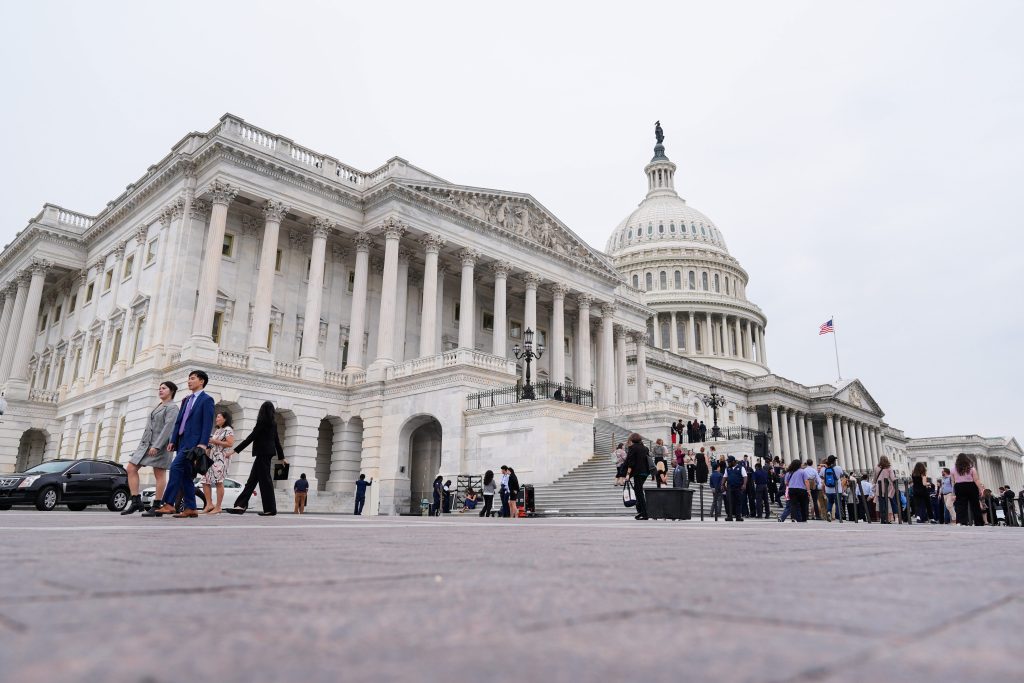
This legislative effort, known as the “AM Radio for Every Vehicle Act of 2025,” successfully passed the House of Representatives and now awaits Senate consideration. Previous attempts to pass similar legislation dating back to 2023 faced setbacks in Congress.
In recent years, car manufacturers, including BMW, Mazda, Tesla, and Volkswagen, have phased out AM radios from electric vehicle models due to interference issues caused by the technology in these cars. As manufacturers weigh engineering solutions to mitigate interference, some have opted to exclude AM radios altogether.
Gary Shapiro, executive chair of the Consumer Technology Association, expressed opposition to the bill, labeling it an unnecessary governmental directive. “America is about choice, and given how few people actually listen to AM radio, it seems wasteful and harmful to electric vehicles to require an AM radio in every car,” Shapiro stated.
Furthermore, John Bozzella, president and CEO of the Alliance for Automotive Innovation, testified against the mandate in April 2024, asserting that automakers consider numerous factors in vehicle design, prioritizing safety and consumer preferences.
Proponents of the bill argue that AM radio remains vital for safety, especially as a source of emergency alerts. Don Brown, an AM/FM station owner in Nevada and Arizona, fears that without regulation, manufacturers might eliminate other radio technologies, limiting vehicles to subscription-based audio services.
Brown highlighted the importance of AM radio during emergencies, stating, “You’re driving cross country and you have a crisis coming, weather issues, you’re not going to hear it on the internet. You’re not going to hear it on your Spotify.”
In 2023, seven former FEMA leaders urged then-Secretary of Transportation Pete Buttigieg to ensure AM radios remain in vehicles, emphasizing the medium’s extensive signal reach and resilience during natural disasters.
Laura Madrid, who operates an AM/FM station in Phoenix, underscored the station’s role as a reliable source of local news, connecting listeners to community resources and state political updates. “We’ve been keeping the public informed since 2005, whether it be policy, whether it be pandemic, whether it be during the 2008 Recession,” she said.
For Native American communities, AM radio is particularly crucial. Loris Taylor, president and CEO of Native Public Media, noted the reliance on AM radio for information, especially in areas with limited cellular and electrical service. Taylor’s organization supports stations like KTNN, which broadcasts in English and Navajo from Window Rock, Arizona.
Justin C. Ahasteen, former Executive Director of the Navajo Nation Washington Office, testified in 2024 about AM radio’s significance for remote communities on the reservation, which spans over 27,000 square miles, and its unique ability to deliver news in the Navajo language.
While Shapiro anticipates that many manufacturers will continue including AM radios, he advocates for the flexibility to remove them for certain models. “Why should every American have to pay a radio tax when they buy a new car?” he questioned.
The “AM Radio for Every Vehicle Act” also mandates a study by the Government Accountability Office on emergency alert dissemination and includes a sunset clause after ten years. Vehicles produced without AM radios before the mandate would need clear labeling, and manufacturers would be prohibited from charging for AM radio access.
The bill must still pass the Senate and receive presidential approval to become law.
—
Read More Arizona News