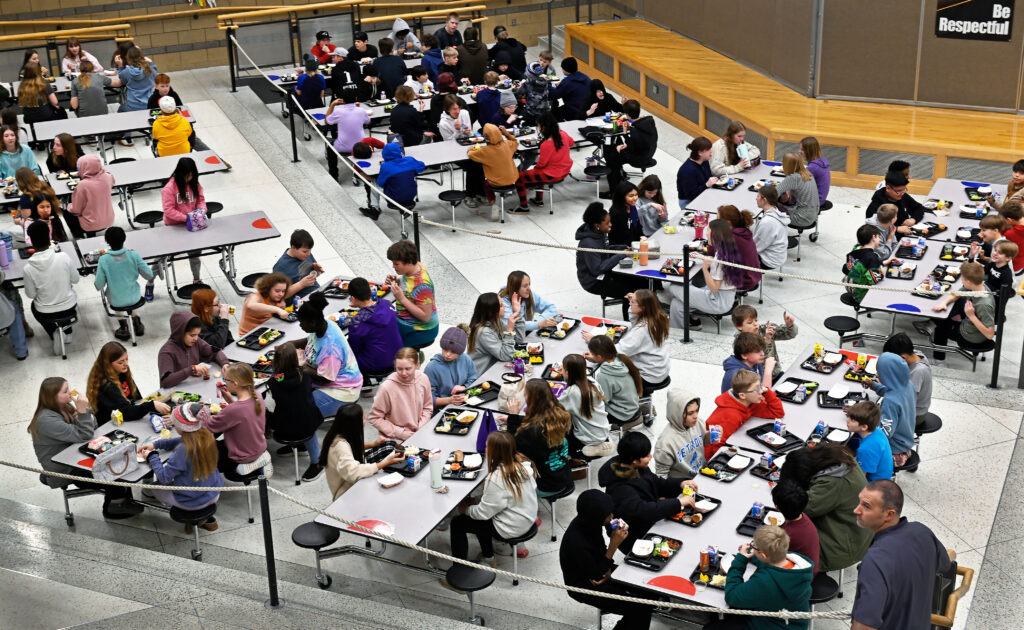
In North Dakota, every K-12 student has a right to receive school lunch without stigma. However, families unable to pay face significant consequences, prompting some students to skip meals to avoid debt. A state survey revealed that over two dozen school districts refer unpaid lunch debts to collection agencies, and some withhold transcripts from students with outstanding balances. These practices, though legal, spotlight the ongoing struggle to address unpaid school meal debt.
The 2023 anti-lunch shaming law ensures students receive meals without identification or stigma for unpaid debts and bans consequences like graduation restrictions. Nonetheless, Michelle Wagner from the North Dakota School Nutrition Association highlighted the lack of funding, noting, “It’s really put us as districts and families in a tough situation.” Bismarck Public Schools, among those sending debts to collection as a last resort, exemplifies the challenges faced by districts.
Lynelle Johnson of the Department of Public Instruction stated lawmakers didn’t ban debt collection, seeing it as a last resort. Debt collection can impact credit scores, remaining on reports for up to seven years, as explained by Lise Kruse, commissioner of the Financial Institutions Department. With student meal debt totaling about $2 million at the 2025-26 school year’s end, districts have resorted to donations and budget transfers to mitigate the issue.
Transcript Trouble
Elgin New Leipzig School District withholds transcripts for unpaid meal debts, affecting college applications and military volunteering. Superintendent Sherlock Hirning noted the tactic’s effectiveness but acknowledged its potential negative impact. Amy Jacobson of the Together for School Meals coalition criticized such practices as “very shaming.” While Elgin complies with the anti-lunch shaming law, the long-term consequences for students remain a concern.
Garrison Public Schools, mistakenly identified in a survey for similar tactics, reported no such policies. Superintendent Nick Klemisch emphasized successful fundraising efforts and willingness to work with parents on payment plans. The survey, however, was limited in scope, covering only 79 of the 193 districts in the state.
Stigma is Hard to Measure
Advocates note that while students have access to school lunch, many avoid it to prevent debt accumulation. Johnson mentioned students skipping meals to avoid stigma, highlighting a gap in the system. Sen. Scott Meyer calls for legislative discussion on funding for the 2023 bill, which mandates meal provision regardless of account status. Meyer stressed, “We can’t force them to eat. But we do have to have access to lunch.”
Some districts, like Turtle Mountain Community School, provide free meals through the Community Eligibility Provision program, positively impacting student performance. Wagner observed fewer nurse visits and better student effort in Bismarck schools participating in the program. “Feeding kids is the right thing,” said Wagner, advocating for free school meals for all students.
Policy Solutions
A coalition is pushing a constitutional amendment to ensure free meals for all K-12 students, with state reimbursement for schools. Sen. Chuck Walen opposes the measure, preferring legislative solutions, and condemns debt collection practices. If the measure fails, he plans to propose legislation to annually pay off meal debt, a less costly alternative.
Sen. Paul Thomas also opposes the measure, advocating for legislation to focus on students lacking adequate home nutrition. He suggests “meal enhancements” and nutritious options at school. “Our resources need to be allocated to taking care of those students,” Thomas stated, emphasizing the need for quality nutrition.
—
Read More Montana News