Arizona’s Political Landscape Shifts After Democratic Gains
In a striking political shift, Democrats have taken control of both chambers of the Arizona Legislature, marking a significant transformation in the state’s political dynamics. This change, referred to by some as a “blue tsunami,” has prompted discussions on the future of Arizona’s political landscape.
Adrian Skabelund of KNAU engaged in a conversation with Fred Solop, an emeritus professor of political science at Northern Arizona University, to analyze the election outcomes and their implications.
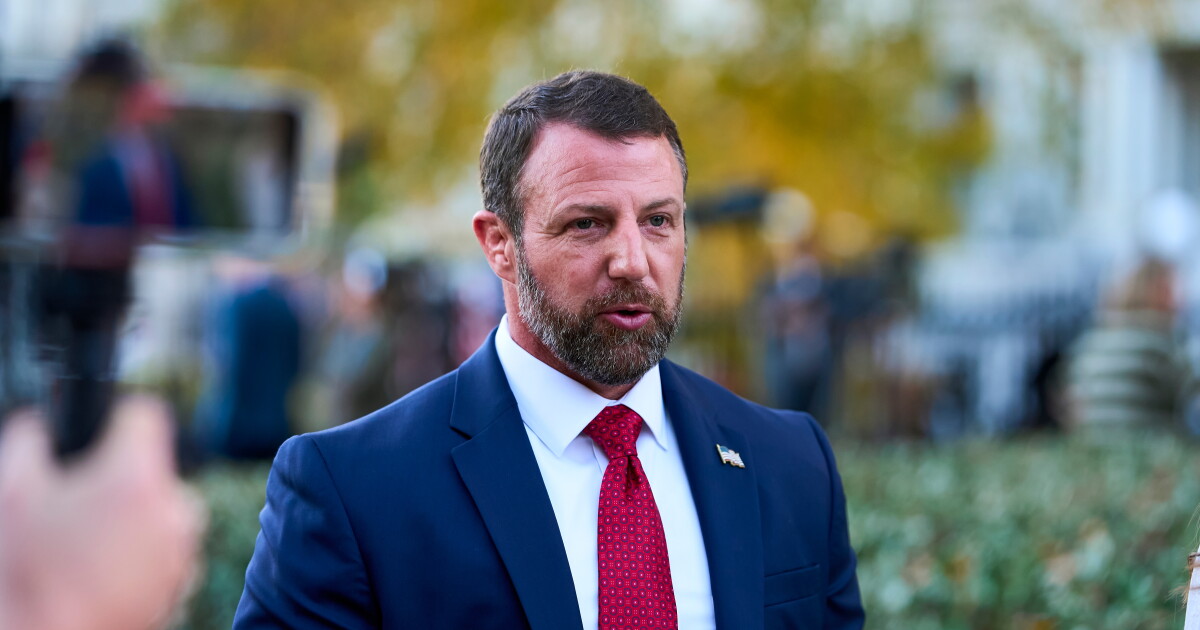
ADRIAN SKABELUND: Despite the Democratic surge, Republican Congressman Eli Crane appears poised to retain his seat in Arizona’s 2nd Congressional District. This follows a near nine-point swing from his previous victory margin over Nez. What does this shift signify for Crane?
FRED SOLOP: Crane’s narrow victory suggests a broader message resonating across the nation—a historic rejection of Donald Trump’s political approach. This may lead Crane to adopt a more independent stance in legislation, distancing himself from Trump.
SKABELUND: Meanwhile, Congressman Paul Gosar secured re-election with relative ease. What accounts for the difference between his district and Crane’s?
SOLOP: While both districts are conservative, Gosar’s longstanding presence and alignment with MAGA and Tea Party politics have entrenched him as a local institution. In contrast, Crane’s initial political rise was closely tied to Trump, lacking Gosar’s independent foundation.
The Associated Press projects that Republican Rep. Eli Crane will win reelection to his third term in the U.S. House by only about 4,000 votes.
SKABELUND: With Democrats now holding the legislature and governor’s office, what changes should be expected at the Capitol?
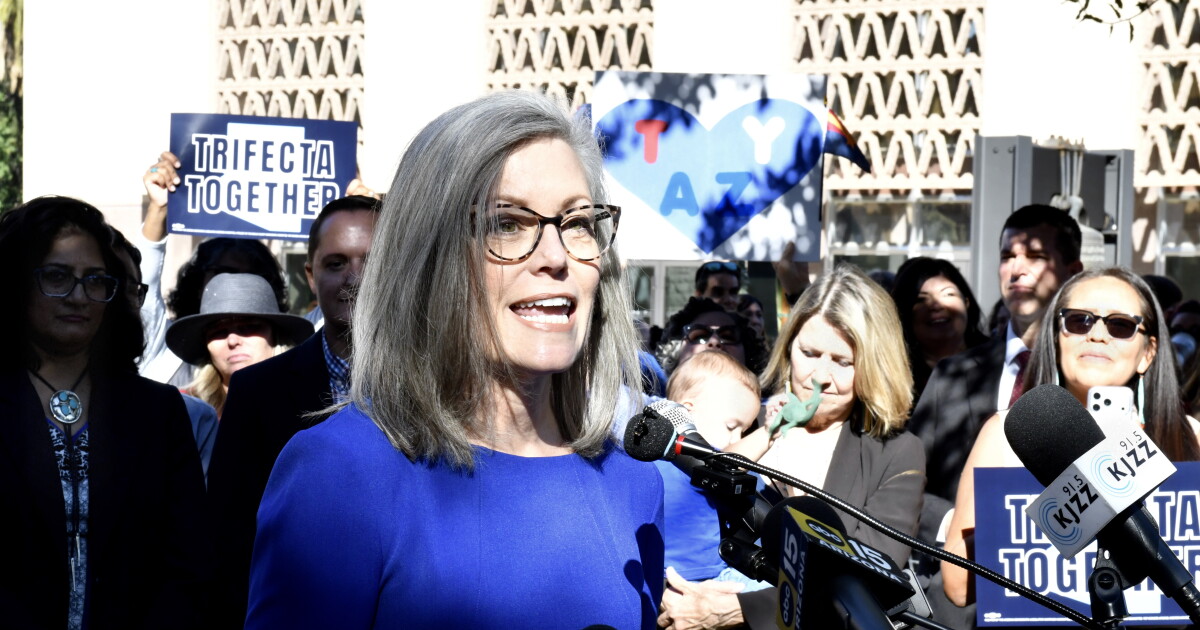
SOLOP: Immediate changes are substantial as roles and offices shift. However, the Democrats’ governance approach remains uncertain despite the historic trifecta—control of the governor’s office, House, and Senate. They must decide whether to govern inclusively or risk retribution, as Republicans previously did.
SKABELUND: What should Republicans take from this election’s results?
SOLOP: The election highlighted Arizona’s resistance to the MAGA faction of the Republican Party. MAGA candidates for governor, secretary of state, and attorney general all faced defeat. Republicans must broaden their focus beyond a narrow agenda to appeal across the state.
SKABELUND: Do the election outcomes imply a mandate for Democrats?
SOLOP: Arizona voters delivered a clear mandate for change. With swift announcements of Democratic victories, including Governor Katie Hobbs, there’s a strong endorsement for the Democratic agenda. Key issues include housing affordability, healthcare access, and public school protection.
Native American women earned historic wins in Tuesday’s elections. Crystalyne Curley was elected as the first woman president of the Navajo Nation and former U.S. Interior Secretary Deb Haaland broke ground as the first Native woman elected governor of New Mexico.
SKABELUND: Is there a broader message from voter preferences on ballot propositions?
SOLOP: Voter decisions indicate discernment. While some extreme MAGA proposals were rejected, certain Republican measures found approval. Voters demonstrated their capacity for nuanced choices, such as supporting anti-trans initiatives while opposing restrictive election laws.
SKABELUND: Has Arizona’s political color shifted from purple to blue?
SOLOP: Arizona remains a Republican-leaning state, with more registered Republicans than Democrats. However, the rising number of independents, who are not bound to any ideology, contributes to the state’s ongoing purple status.
SKABELUND: Any final thoughts?
SOLOP: This moment signifies potential for rapid change, with political parties losing their previous stability. As independent voting rises, the landscape may evolve beyond traditional party lines, possibly leading to increased demonstrations akin to those seen in Europe.
Recent flooding across the U.S. Southwest is providing rare relief to thirsty reservoirs that had fallen to record lows amid a yearslong megadrought. Lake Powell rose more than 20 feet from its mid-September low — dwarfing its gains from this year’s snowmelt.
—
Read More Arizona News