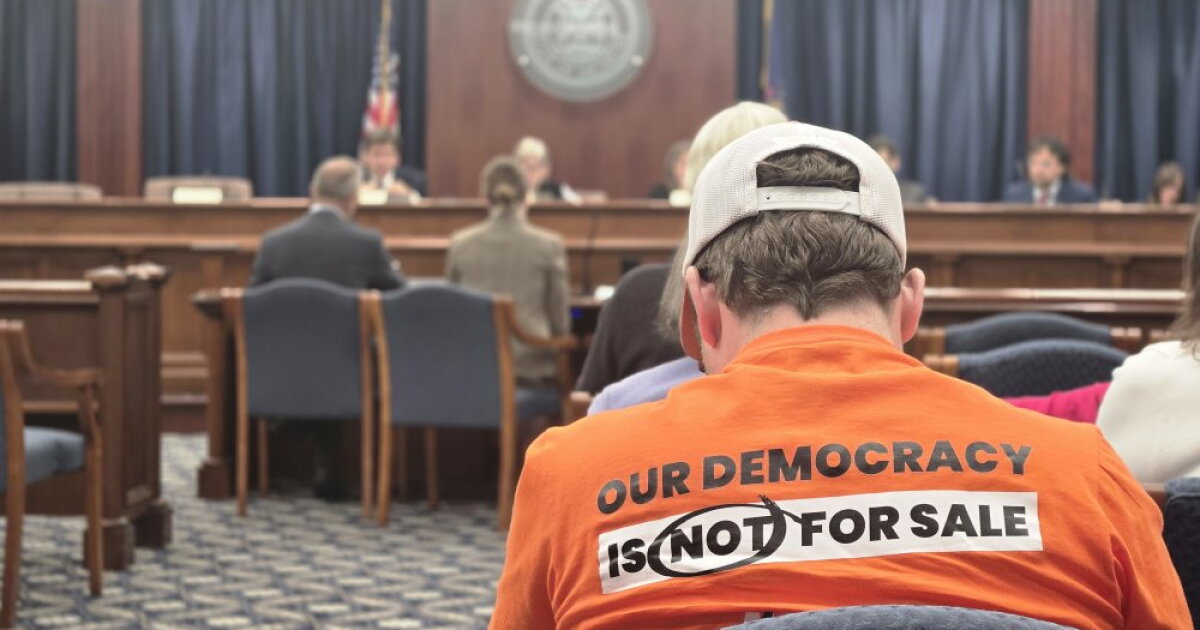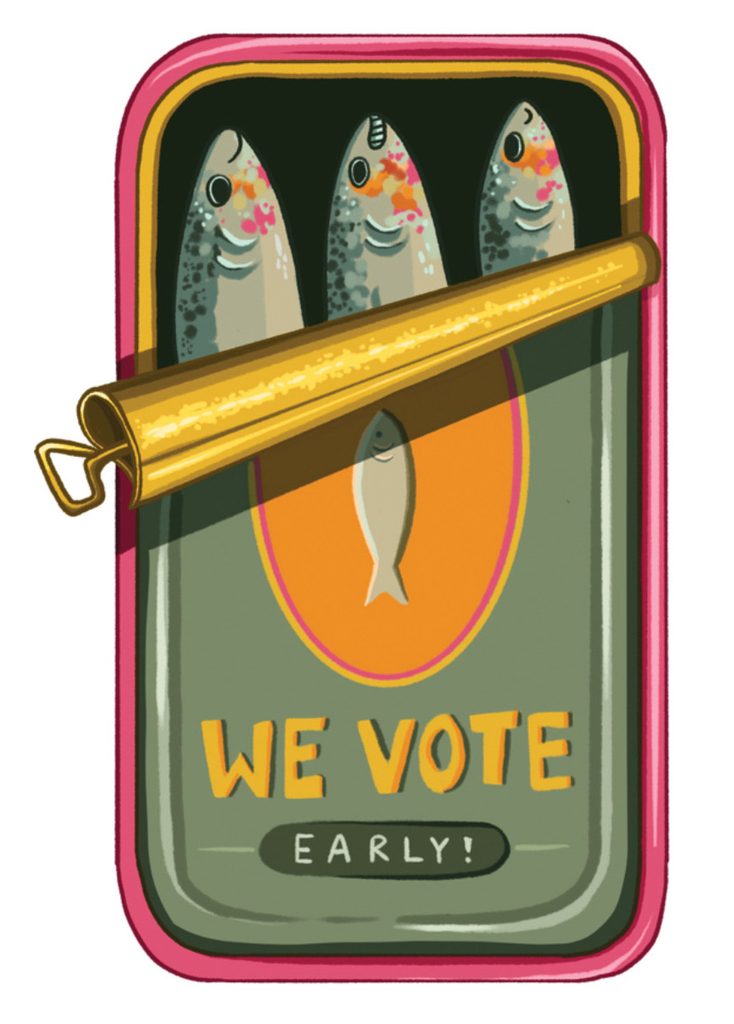
Voter registration and in-person voting surged at two University of Michigan campus voting hubs during the recent midterm election, surpassing numbers from the previous presidential election. This trend highlights Michigan’s pivotal role in national politics and the effective collaboration between university and city partners to facilitate student participation in the democratic process.
The U-M Museum of Art and the Duderstadt Center Gallery saw a 7% rise in voter registration and a 19% increase in tabulated voting compared to the 2024 election. A total of 12,459 voters participated at these hubs, with 11,170 voting in person and 1,289 submitting absentee ballots. In contrast, the 14,932 total voters in the previous presidential election included 9,412 in-person votes and 5,520 absentee ballots.
On Election Day, 2,641 individuals registered and voted at the hubs, a significant increase compared to past elections. “We anticipated higher than typical turnout for a midterm because Michigan is a swing state and had a high-profile senate race this year,” said John Barry Ryan, associate professor and faculty director of UMICH Votes.
UMICH Votes is a coalition focused on educating students about the voting process. The Creative Campus Voting Project (CCVP), based in the Penny W. Stamps School of Art & Design, designed the Campus Voting Hubs to create welcoming environments for voters. Hannah Smotrich, art and design professor, emphasized the importance of the project, stating, “It was so meaningful to see thousands of students navigating this new process and emerging after voting with the joy and sense of accomplishment that is our goal.”
Both voting locations operated efficiently despite increased turnout, with reduced wait times compared to previous elections. At the Duderstadt, the longest wait was 25 minutes, while UMMA’s peak wait time was 85 minutes. Average wait times were under an hour, a significant improvement from the prior midterms.
Ann Arbor City Clerk Jacqueline Beaudry highlighted the effective collaboration with UMICH Votes, noting the readiness for increased voter registration. “We had more than double the Election Day voter registration on November 3 compared to previous years and we were ready for it and well prepared thanks to our collaboration with the UMICH Votes coalition,” Beaudry stated.
The two hubs, open for early voting since Oct. 21, accounted for 44% of the early votes in Ann Arbor, up from 39% in 2024. The UMICH Votes Coalition, which includes various university units and student organizations, played a crucial role in this success.
—
Read More Michigan News