Michigan Governor Advocates for Tariff Reversal Amid Rising Food Costs
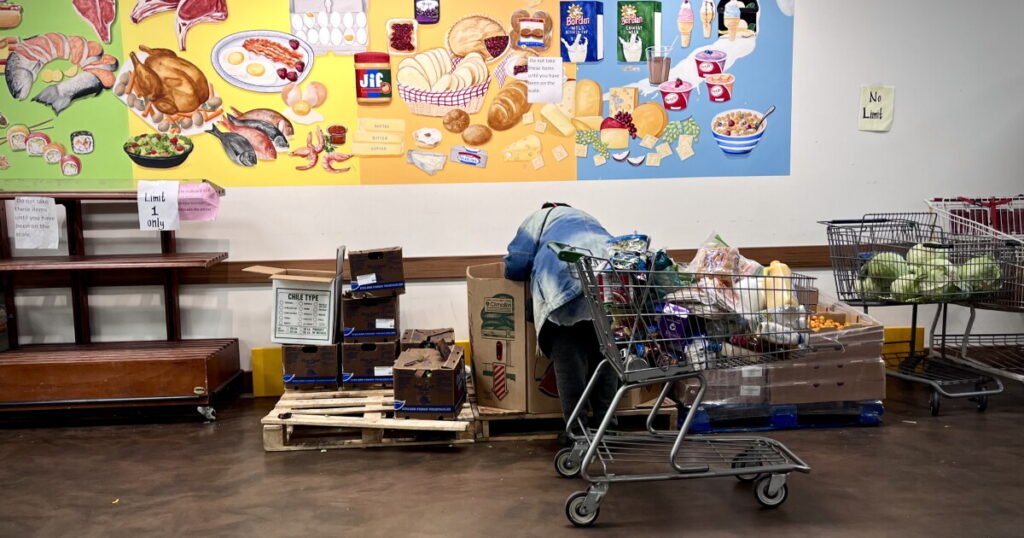
Governor Gretchen Whitmer of Michigan has urged federal authorities to reconsider tariffs affecting the food supply chain, which have been in place since April 2025. These tariffs have increased costs on food imports, fertilizers, and agricultural machinery, contributing to a 3% rise in food prices, according to the Michigan Department of Agriculture and Rural Development.
In her recent communication with the U.S. Secretary of the Treasury, Whitmer criticized federal decisions for not only inflating prices but also hindering Michigan’s agricultural exports. She emphasized the need for policies that enhance cooperation with allies and bolster domestic supply chains, stating, “We need a federal trade policy that works with our allies, brings supply chains home, and makes life more affordable. Families deserve relief from rising prices on the essentials they depend on every day.”
Whitmer referenced data from the National Taxpayers Union Foundation, highlighting that Michigan households bear some of the highest costs due to these tariffs. David Ortega, a food economist from Michigan State University, explained that Michigan’s extensive agricultural diversity and its trade relationships, particularly with Canada, amplify the impact of these tariffs.
Despite requests for comment, the Treasury Department remained silent on the issue. Tariffs have been a significant part of President Donald Trump’s policy, defended as measures to support American industries. The Urban-Brookings Tax Policy Center reported that food-related tariffs have varied between five and nearly 14 percent since their inception.
Ortega warned that resolving the tariff issue is complex and requires consistent policy direction. “This is why it’s so important to ensure that the message is getting across that our approach to policy, the approach to uncertainty that’s been created within trade policy and other aspects have made it much more difficult for our producers, our businesses,” he remarked.
Whitmer has suggested that the federal government reimburse Michigan residents for the additional expenses incurred due to tariffs. However, Ortega pointed out the challenges in refunding consumers directly, as tariffs are typically paid by importers and exporters, complicating the process of determining individual consumer burdens.
On a broader scale, the legality of some of Trump’s initial tariffs has already been contested, with the U.S. Supreme Court ruling several as illegal and ordering reimbursements for collected funds.
—
Read More Michigan News