
A major bill passed by the Senate is poised to revamp permitting regulations, sparking concern over its potential environmental impacts in Montana. The Bipartisan American Affordability and Jobs Act (BAAJA) aims to expedite federal project permits for mines, data centers, and renewable energy on public land. Advocates claim slow permitting causes costly delays for large projects. Critics argue it jeopardizes wildlife, limits public involvement, and affects tribal input.
BAAJA seeks to adjust foundational environmental laws established decades ago to manage unchecked development. “It’s really just a rollback of the ideals of the ’60s and ’70s that people should get to have a voice,” said Deborah Sivas, an environmental law professor at Stanford. Sivas warns that BAAJA undercuts public participation in federal decisions.
Montana’s senators supported BAAJA. Outgoing Sen. Steve Daines stated on X the bill would boost projects creating jobs and strengthening local energy. Senate Democrats also backed the bill, though its future in the House remains uncertain. The House could amend the bill, sending it back to the Senate for approval.
The National Historic Preservation Act and tribal sovereignty

BAAJA changes the National Historic Preservation Act, impacting tribal consultation on federal projects. This could affect projects like those near Glacier National Park. Tribal voices, critical to preserving cultural heritage, face reduced input and protection timelines. Despite opposition from several tribal organizations, the Crow Tribe supports BAAJA, citing economic benefits.
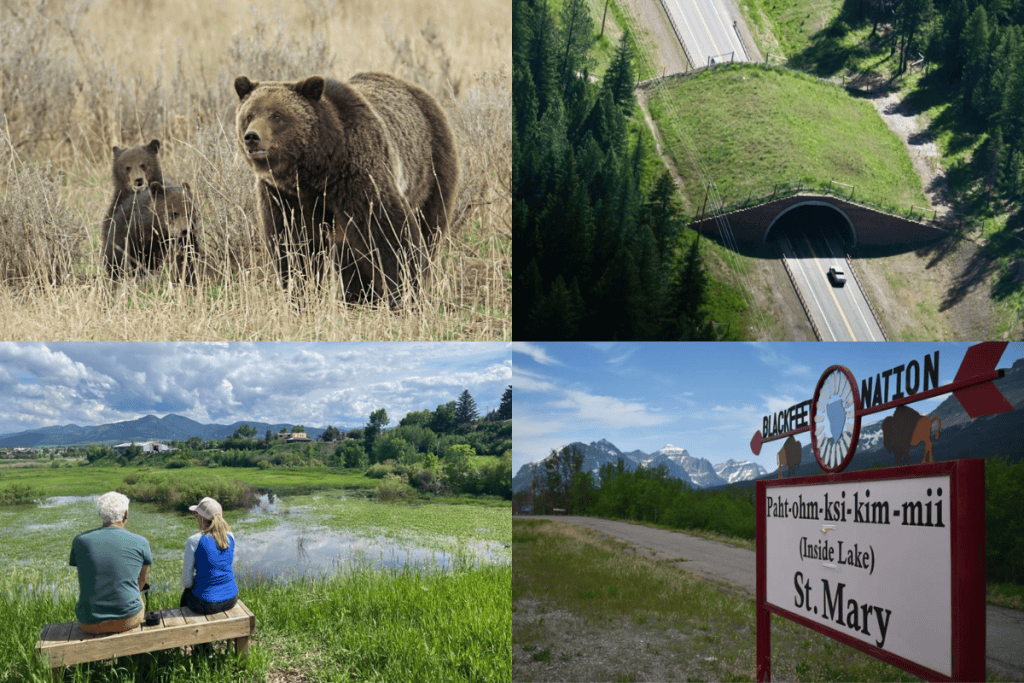
Gheri Hall from the Blackfeet Tribal Historic Preservation Office warns of cultural site destruction without consultation. “There are so many cultural sites out there that we don’t even know exist,” she said. Hall emphasizes the importance of government recognition of tribal sovereignty in consultations.
The National Environmental Policy Act and public involvement

BAAJA aims to alter the National Environmental Policy Act, limiting the scope of required environmental reviews and public participation. Martin Nie of the University of Montana criticizes the bill as diminishing public involvement in development projects, impacting decisions from oil leases to highway expansions.
Highway 93 in Montana is a NEPA success story, with wildlife provisions added due to public input. BAAJA’s proposed changes threaten such community-driven modifications. Additionally, BAAJA limits judicial reviews of projects, potentially allowing developments to proceed without thorough environmental analysis.
Wildlife and the Endangered Species Act

BAAJA proposes changes to the Endangered Species Act, altering how federal projects consult on impacts to threatened species. Chris Westfall from Defenders of Wildlife argues the bill’s new definitions burden state governments and fail to expedite projects, risking harm to wildlife.
The bill could exempt highway projects from ESA requirements and redefine key scientific standards, further threatening species protection. Westfall criticizes BAAJA’s alignment with recent trends weakening the ESA.
CWA and Wetlands

Changes to the Clean Water Act proposed by BAAJA affect wetland protection, making it easier to develop on small wetlands. Mark Mariano from Montana Wetlands and Waterfowl highlights the threat to already endangered wetlands, which provide crucial ecosystem services.
Wetlands help sustain water systems and act as natural filters. Mariano warns against further reduction in protections, essential for migratory bird habitats and water quality. BAAJA could also restrict state and tribal authority over water quality concerns, potentially impacting long-term conservation efforts.
The post BAAJA: Can America build bigger and faster without sacrificing environmental laws? appeared first on Montana Free Press.
—
Read More Montana News