Arizona Faces Significant Water Supply Challenges Under New Federal Colorado River Plan
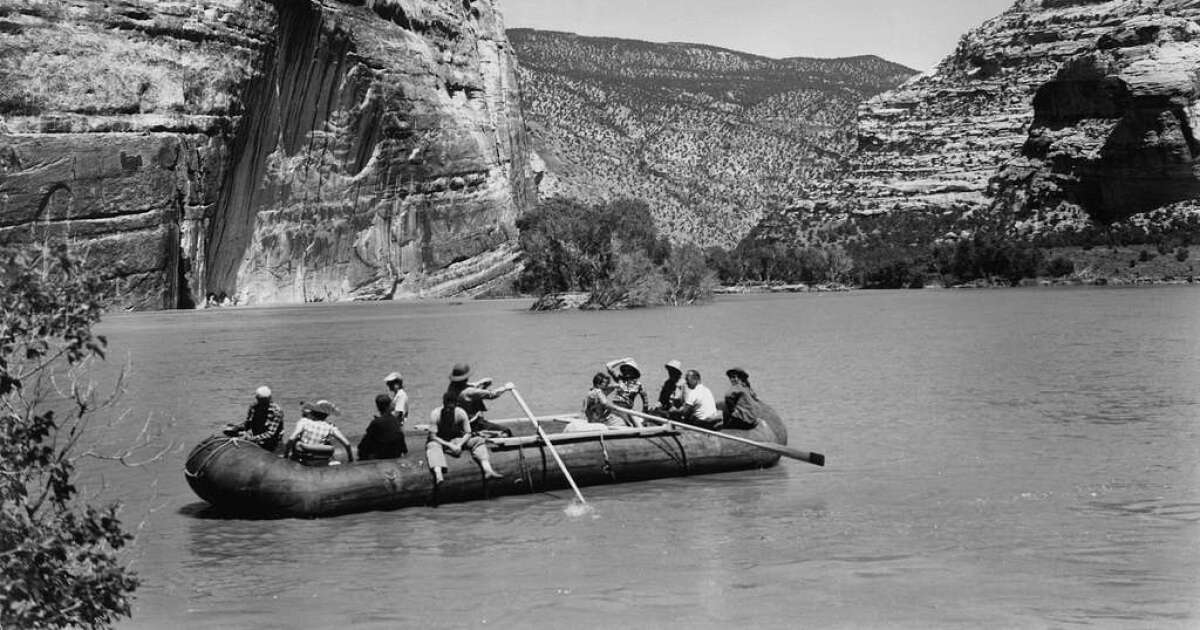
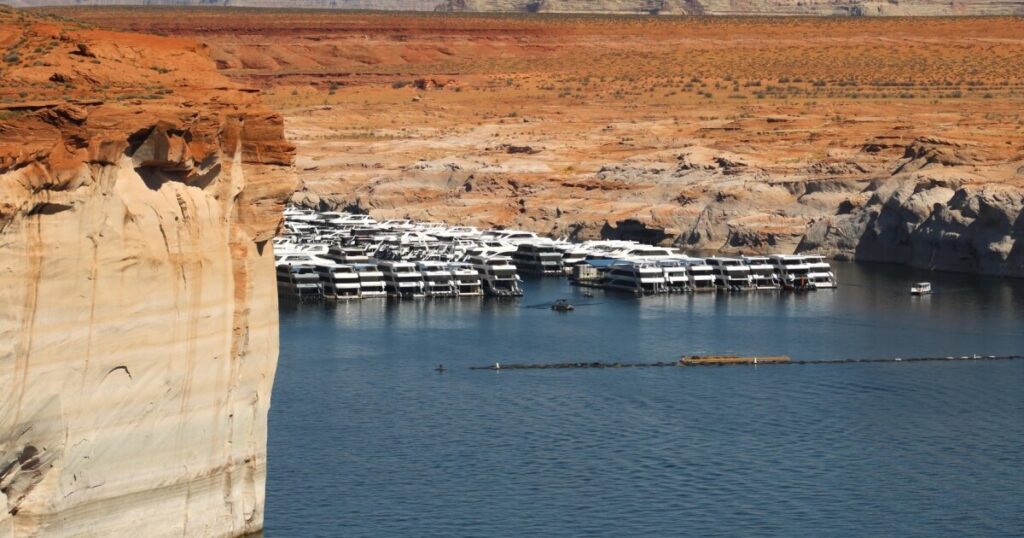
The latest federal initiative for apportioning the Colorado River could impose substantial reductions on Arizona’s water resources, drawing criticism from state officials who are strategizing to mitigate the potential impacts. Announced on Friday, this plan permits the federal government to reduce water allocations to Arizona, California, and Nevada by as much as 40%. Such drastic measures would be enacted only under dire scenarios but remain a possibility if severe drought conditions persist.
The Arizona Department of Water Resources expressed grave concern, stating, “such reductions would devastate Arizona’s water users and its economy.” The federal directive outlines a decade-long approach for river management requiring biennial negotiations to reassess and adjust water-sharing agreements based on current conditions.
Details regarding the specific cuts for 2027 and 2028 are anticipated soon, with expectations that these will include elements from a counterproposal by the Lower Basin states—Arizona, California, and Nevada. This proposal suggests voluntary reductions of about 20% to prevent the severe cuts outlined in the federal plan.
Arizona Governor Katie Hobbs criticized the federal plan, stating it “contains unacceptable options that include the federal government forcing Arizona to take the majority of draconian water cutbacks.” She advocated for the federal adoption of a “commonsense, compromise proposal” developed by her state and its partners.
“Implementing the Lower Basin agreement would protect Arizona from massive water cuts,” Hobbs emphasized in a press release, “distribute reductions more fairly across the Lower Basin States, and provide stability and protection to the water supply that our communities rely upon.”
State senators Ruben Gallego and Mark Kelly shared similar sentiments, expressing that the new plan “could place an unfair burden on Arizona.”
Arizona authorities are urging the Upper Basin states—Colorado, Utah, Wyoming, and New Mexico—to contribute more significantly to the shared responsibility of water shortages. These states, bound by regulations to deliver a certain volume of water to downstream neighbors, argue that they already endure natural cutbacks due to climate change and drought.
Utah’s chief water negotiator, Gene Shawcroft, remarked, “We get cuts from Mother Nature every year,” highlighting the Upper Basin’s reliance on naturally available water rather than demanded allocations. Shawcroft added, “I’m grateful that the statement recognizes clearly the need to develop a system that’s based on what water is available.”
The Upper Basin’s position remains a contentious issue in ongoing negotiations, with Arizona officials hoping for voluntary cutbacks in response to the “increasingly bleak scenario” of unresolved debates.
Federal and state representatives are still working towards a seven-state agreement, which could potentially override federal plans. John Berggren, a water policy expert with Western Resource Advocates, views the federal framework as a chance to reassess negotiation strategies, stating, “Clearly, the last two and a half years of negotiations hasn’t worked. So let’s change that up.”
California’s lead water negotiator, JB Hamby, reflected on the plan, calling it an “important milestone” but noting it does not finalize state negotiations or dictate specific operational decisions, such as Lake Powell releases.
—
Read More Arizona News
![Jody White’s Unconventional Michigan Supreme Court Candidacy Explored[embed]https://www.youtube.com/watch?v=8NfxFIPE4ac[/embed]](https://www.kitchentablenews.org/wp-content/uploads/2026/10/Jody-Whites-Unconventional-Michigan-Supreme-Court-Candidacy-Exploredembedhttpswwwyoutubecomwatchv8NfxFIPE4acembed.com2F842F0e2Fc7223daa43c9876b36a4e00773a42Fme-supc.png "Jody White’s Unconventional Michigan Supreme Court Candidacy Explored[embed]https://www.youtube.com/watch?v=8NfxFIPE4ac[/embed]")