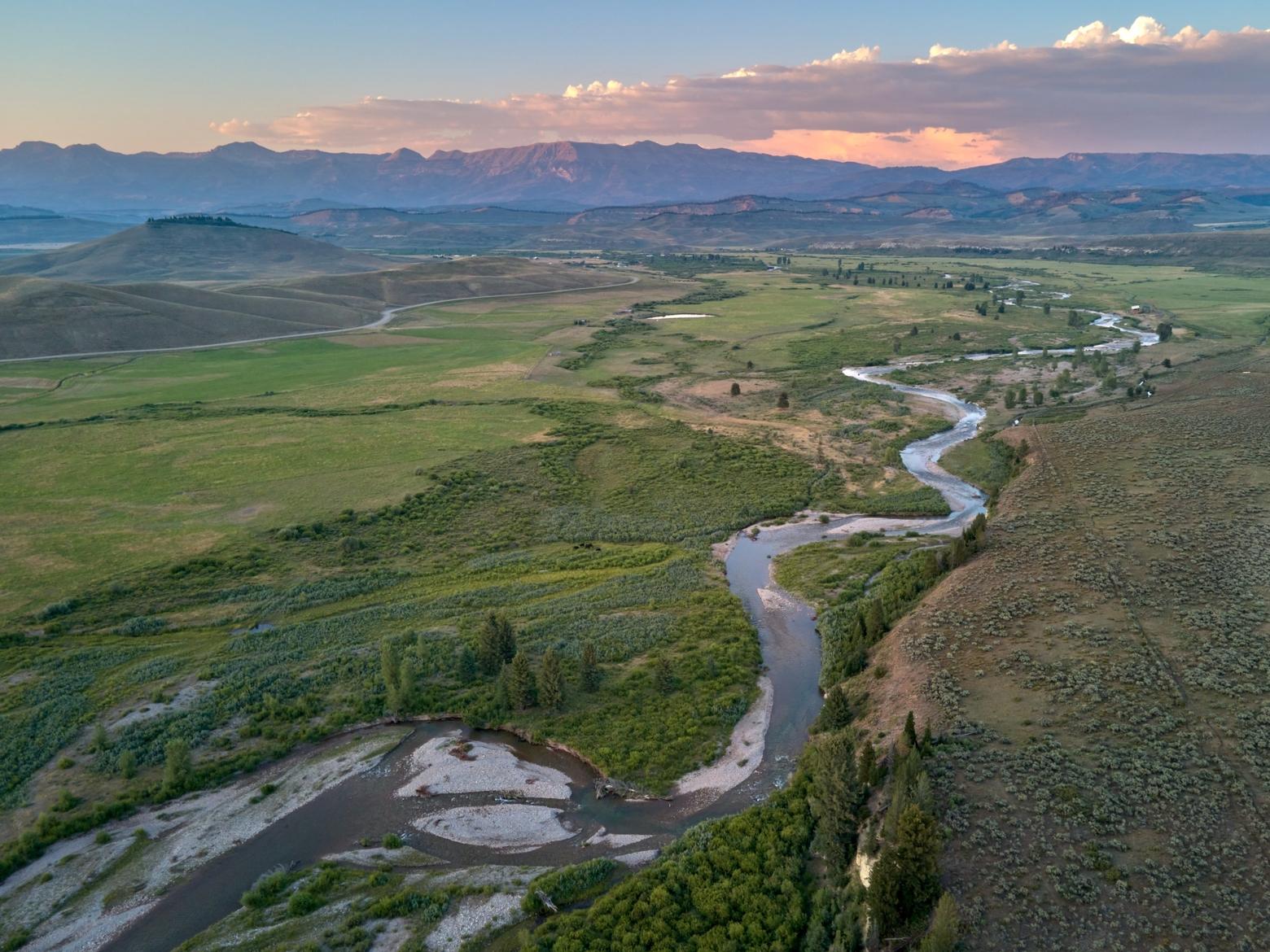
The expansive and rugged terrain of Black Mesa, known for its towering orange sandstone formations, is at the center of a contentious debate regarding the potential establishment of a hydropower facility on the Navajo Nation. This debate pits the promise of economic benefits against concerns for cultural preservation and environmental impact.
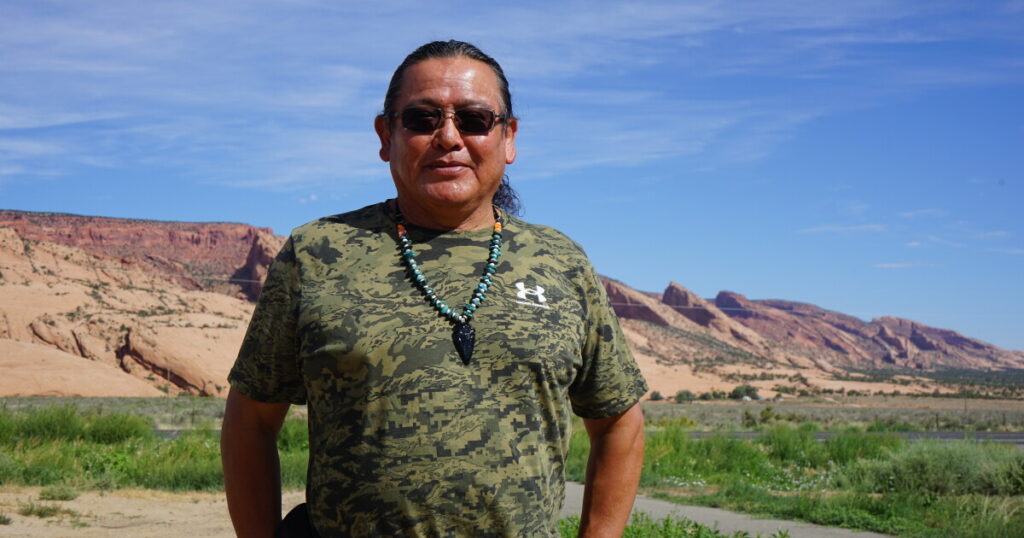
Raymond Peaches, a local resident, traversed this land on a sunny August day. This area, where his cattle now graze, might become one of the reservoirs for the proposed hydro project. Peaches, adorned in a green camouflage shirt and turquoise necklace, expressed his dismay, saying, “This is therapy. There’s no other place in the world that’s this beautiful. I mean, this is millions and millions of years of formation that happened, and you want to destroy it, just to make money?”
Black Mesa, a vast plateau approximately 20 miles south of the Arizona-Utah border, has been home to Peaches’ family for generations. The region is dotted with pinyon pine and juniper and is near a now-closed coal mine that once provided lucrative employment to many Navajo citizens.
Peaches voiced several objections to the proposed pumped-storage hydropower plant, citing concerns over water usage, potential disturbance of unmarked graves, ancient cliff dwellings, and the habitat of endangered species such as the Mexican spotted owl.
Since 2021, Nature and People First Arizona PHS, led by French entrepreneur Denis Payre, has been proposing hydroelectric projects in the area. One such project is currently awaiting a preliminary permit from the Federal Energy Regulatory Commission (FERC) to assess its feasibility.
A $10,000 offer and letters to donors
Nicole Horseherder, another critic from Black Mesa and executive director of the Navajo-led nonprofit Tó Nizhóní Ání, opposes the project. Publicly available communications reveal that in March 2024, Payre proposed a $10,000 donation to Horseherder’s nonprofit, contingent upon their withdrawal of opposition and support for his plans.
Despite the offer, Horseherder declined. Subsequently, local leaders with ties to Payre, like then-Chilchinbeto Chapter President Paul Madson and Matthew Gonzales of Four Corners Clean Energy Alliance, sent letters to Horseherder’s donors, urging them to reconsider their support due to the group’s opposition to energy projects.

Gonzales further accused Tó Nizhóní Ání of potentially violating IRS policies by using donor funds for lobbying. Horseherder, however, consulted attorney Brad Bartlett, who confirmed that the nonprofit’s activities were compliant with regulations.
Madson’s letter
In January 2024, Madson also contacted one of Tó Nizhóní Ání’s funders, echoing Gonzales’ sentiments. Horseherder noted that addressing these complaints was time-consuming and stressful but did not lead to a loss of funding.
Payre, distancing himself from these actions, insisted his intentions were to foster cooperation. “We tried to build bridges and we tried to offer … cooperation and a path to a positive future, and at one point in time, they decided to radicalize and they decided to reject all that,” he stated.

Emails from Payre to Horseherder suggest he was aware of the impact on her nonprofit’s donors, although he maintained that he discouraged such outreach by local officials.
A Navajo law professor weighs in
Heather Tanana, a Navajo citizen and water law professor, noted that offering financial incentives for project support is not unusual but should be handled with respect for tribal practices. She found the pressure on funders to be questionable.
“What I find a little shocking, and I do think crosses the line, is the threat to their funders,” Tanana said, emphasizing the need for respect when tribal communities decline such offers.
Here’s how the project would work
The proposed pumped-storage hydropower plants operate by flowing water between reservoirs at different elevations, generating energy as it moves through turbines. When energy is cheap, the water is pumped back to the upper reservoir to repeat the cycle.

Payre’s Chilchinbeto Pumped Storage Project would include two 300-acre reservoirs and a transmission line on Black Mesa. It aims to provide electricity to about 600,000 Arizona residents, including industrial projects in Phoenix. Payre claims the plant will be sustainable by recycling much of its water and estimates it will create significant employment opportunities.
Energy needs in the U.S. are expected to surge
As the U.S. power grid experiences increased demand, projects like Payre’s could play a crucial role in energy storage and release, helping to stabilize the grid. If approved for a preliminary permit by FERC, the project could eventually supply power to the Southwest and create around 1,000 jobs during construction.
Water for the reservoirs would be sourced from the Coconino aquifer or the San Juan River, with infrastructure offered to local communities for livestock use. Payre emphasizes the project’s potential benefits in terms of water access and climate change mitigation.
Past hydro projects proposed for Black Mesa
Payre’s earlier attempts at developing similar projects on Black Mesa were denied by FERC due to lack of Navajo Nation consent. Despite federal regulators’ stance against projects on tribal land without support, changes in policy are being considered that could ease restrictions for developers.

Navajo Nation President Buu Nygren has expressed opposition due to concerns about groundwater overuse, a contentious issue after years of coal mining. Payre, however, remains optimistic about discussions with future Navajo leaders, emphasizing the limited groundwater usage his project would entail compared to the aquifer’s capacity.
For Horseherder and many others, the focus remains on safeguarding their land and water for future generations. As FERC’s decision on the preliminary permit looms, Payre anticipates the possibility of the hydro plant becoming operational by 2032.
—
Read More Arizona News