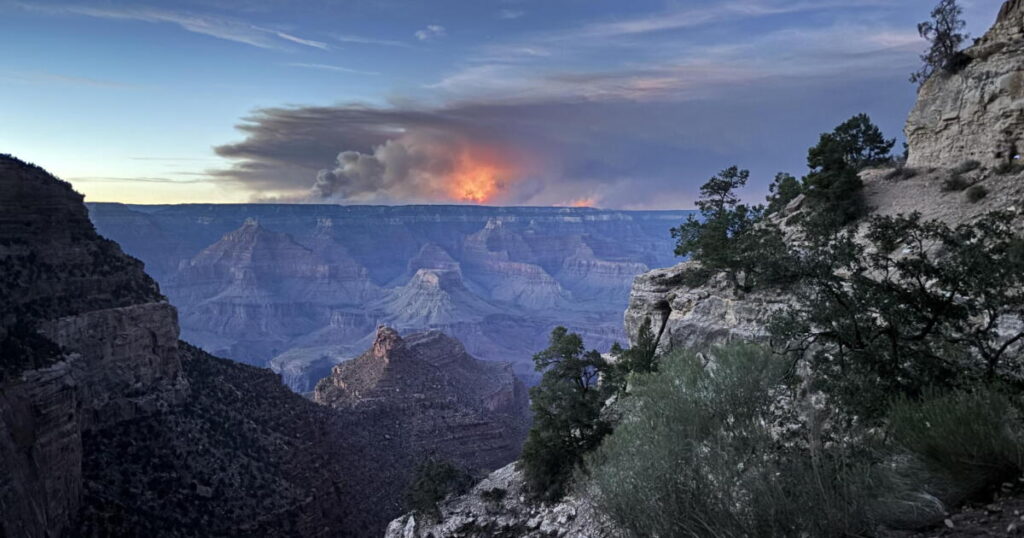
The Dragon Bravo Fire of 2025, which wreaked havoc on the North Rim of Grand Canyon National Park, serves as a stark reminder of the consequences of mismanagement and communication failures. An investigation by the U.S. Department of the Interior reveals a series of leadership lapses and inadequate planning that contributed to the fire’s rapid and devastating growth.
Investigation Findings
The report highlights that while extreme weather and dry conditions played a role, the primary factors were systemic issues within the National Park Service and missteps by park leaders. The Dragon Bravo Fire, started by lightning and fully contained in September, scorched over 145,000 acres, destroyed 114 structures including the historic Grand Canyon Lodge, and cost taxpayers more than $141 million.
The report criticizes the delayed use of fire retardant due to unclear communication, while park leaders opted for a less aggressive firefighting strategy even as the fire endangered personnel on the North Rim.
Communication Breakdowns
On July 11, as the fire intensified, personnel faced deteriorating conditions and a sudden evacuation was improvised due to lack of preplanning. The chaotic response resulted in uncoordinated efforts, with firefighters receiving minimal tactical direction and taking independent actions.
The investigation, which involved over 70 interviews and extensive document reviews, proposes nearly 100 policy changes. It emphasizes that the fire was “shaped less by tactical execution than by NPS systemic issues related to authority, qualifications and decision process.”
Despite the absence of individual blame, the report highlights significant gaps in communication between Grand Canyon National Park Superintendent Ed Keable and ground firefighting teams, particularly during crucial moments of the fire’s escalation.
Strategic Misalignment
Initially, the park adopted a “confine and contain” strategy, contradicting national guidelines recommending a “full suppression” approach. This strategic misalignment delayed the transition to full suppression measures until after the fire had already caused substantial damage.
Miscommunication further hindered the timely use of equipment and fire retardants. A request for chemical fire retardant on July 11 was not clearly communicated to Keable, leading to a two-day delay in its authorization.
Leadership Shortcomings
As new incident commanders assumed control, communication with Keable remained inconsistent. The report also notes that Keable lacked the necessary training for fire administration, a requirement he should have fulfilled by 2022. The first qualified fire administrator only joined the effort on July 30, a month into the fire.
Keable’s detachment from on-ground realities became evident on July 11 when he attended a meeting in Flagstaff, unaware of the fire’s rapid spread and the ensuing evacuations until his return.
Grand Canyon National Park’s North Rim reopened after last summer’s Dragon Bravo Fire. It was the first time visitors witnessed the wildfire’s impact, including remnants of the Grand Canyon Lodge.
Environmental groups have sued to reverse President Trump’s cuts to two national monuments in Utah. Supporters and opponents of the cuts have pointed to the Antiquities Act to make their case.
—
Read More Arizona News