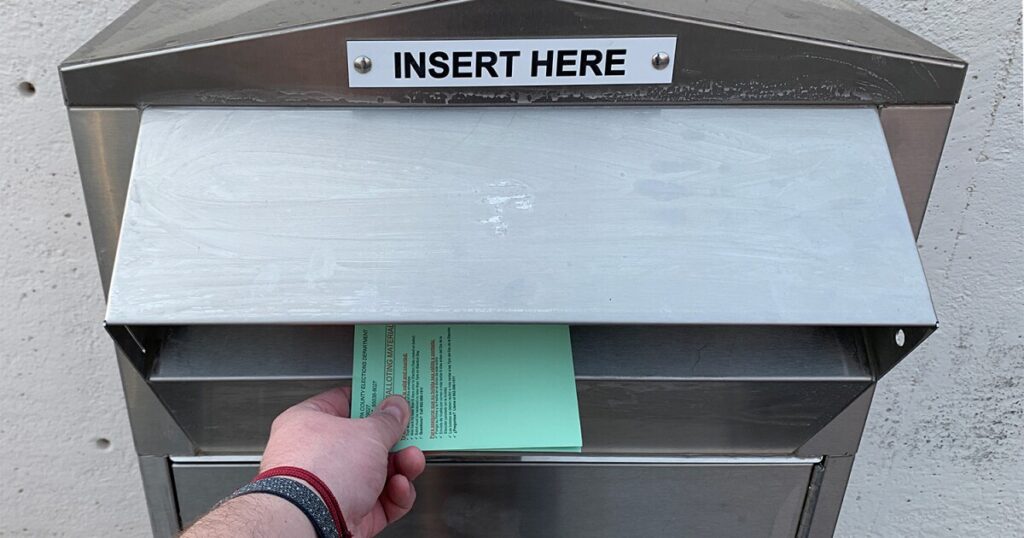
The Maricopa County Board of Supervisors’ usual proceedings took an unexpected turn when a routine vote on election logistics led to a clash with Recorder Justin Heap. His attorney warned of potential legal repercussions for setting up drop boxes without consent from the recorder’s office.
The board convened on Wednesday to finalize locations for vote centers and drop boxes for the upcoming elections. However, prior to the meeting, Heap’s attorney, James Rogers, issued a letter challenging the board’s authority in approving drop boxes, claiming such actions require the recorder’s authorization.
“Only the Recorder possesses the statutory authority to designate the locations for drop boxes and to establish them,” Rogers stated, suggesting that aiding in the development or management of these boxes without the recorder’s consent could result in a class 5 felony charge.
The supervisors expressed strong disapproval of Heap’s legal threat, emphasizing the undue pressure it places on the county’s election workers. “This is shocking and appalling,” Supervisor Thomas Galvin remarked.
The ongoing fight
The conflict over drop boxes is part of a broader struggle over control of Maricopa County’s elections. This tension seemed to have subsided following a recent court ruling favoring Heap in a case against the board. The decision clarified the division of election duties between the recorder and the board but did not specifically address the drop box issue currently in dispute.
According to Rogers, the law specifies that control over early voting, including drop boxes, lies with county recorders. He argues that drop boxes should logically fall under the recorder’s jurisdiction as they function as early voting locations.
In contrast, Maricopa County Elections Director Scott Jarrett, representing the board, cited an election law mandating the Arizona secretary of state to produce an Elections Procedures Manual. This manual assigns the approval of ballot drop-off locations to the Board of Supervisors.
However, Rogers countered, asserting that the manual cannot legally shift powers between elected officials.
He said, she said
Heap’s office accused the board of introducing the drop box proposal unexpectedly and without sufficient collaboration. “This was not a good-faith attempt at cooperation. It was political theater,” a statement from the Recorder’s Office read.
The supervisors countered, claiming Heap was aware of the plans. Jarrett mentioned ongoing coordination with the Recorder’s Office since February. “Everyone at the recorder’s office knew what was coming,” Galvin stated.
Heap was criticized for inconsistent messaging, creating challenges in finalizing election plans. Supervisor Debbie Lesko highlighted a situation where Heap’s chief of staff initially approved drop box locations, only for Heap to later revoke that approval.
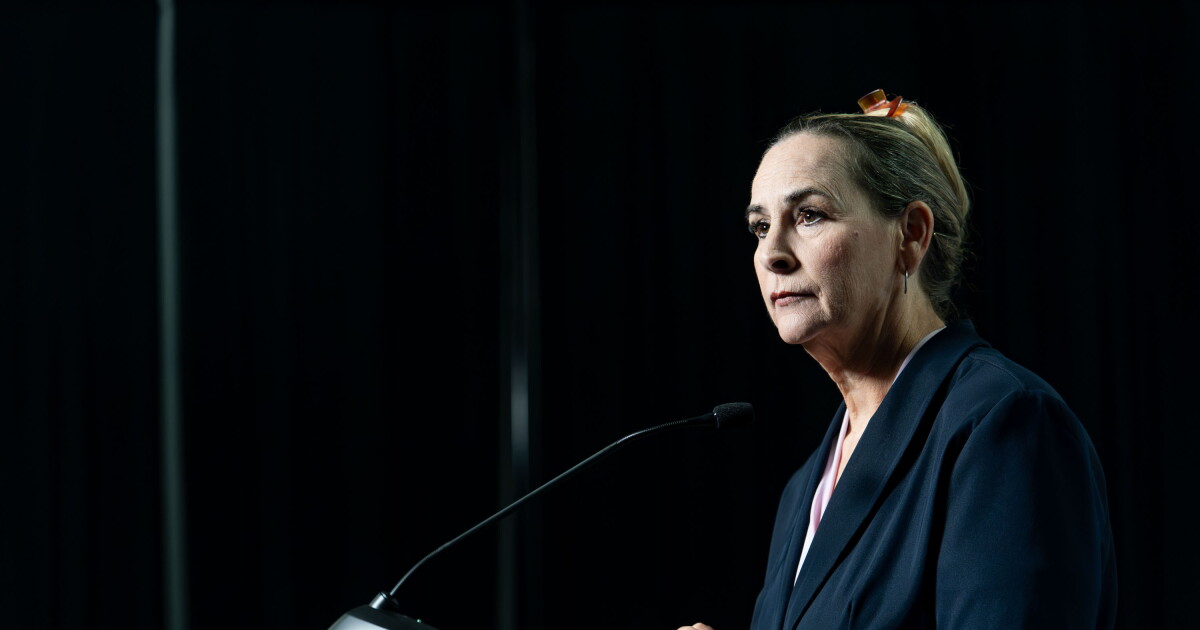
Board Chair Kate Brophy McGee questioned the dynamics within the Recorder’s Office, implying that Rogers, rather than Heap, was making crucial decisions.
Heap declined an invitation to discuss the letter at the board meeting, citing ongoing legal disputes. His decision drew criticism from board members, who accused him of undermining confidence in the election process.
Despite the tension, the board proceeded with a 4-1 vote to approve the drop box locations. Supervisor Mark Stewart was the sole dissenting vote, advocating for a provision that would allow Heap to contest the locations by June 1, which was not adopted.
—
Read More Arizona News