Wastewater testing has revealed the presence of the measles virus in Sedona. This discovery underscores the ongoing public health surveillance efforts in Arizona, aiming to preemptively identify infectious diseases.
On July 7 and July 9, the Arizona State Public Health Laboratory detected the virus in samples from the Sedona Wastewater Treatment Plant. The Arizona Department of Health Services employs wastewater monitoring to detect infectious diseases early. This method is pivotal since individuals can excrete the measles virus in their urine before and after symptoms manifest.
According to a release on Monday by Yavapai County Community Health Services and Coconino County Health and Human Services, the findings indicate that there has been recent activity of measles-infected individuals in the vicinity. However, the testing does not specify the number of infected persons or their identities.
Measles, as characterized by the Mayo Clinic, is a highly infectious virus spreadable through airborne particles and surface contact. Symptoms include fever, cough, nasal congestion, eye irritation, and a characteristic rash.
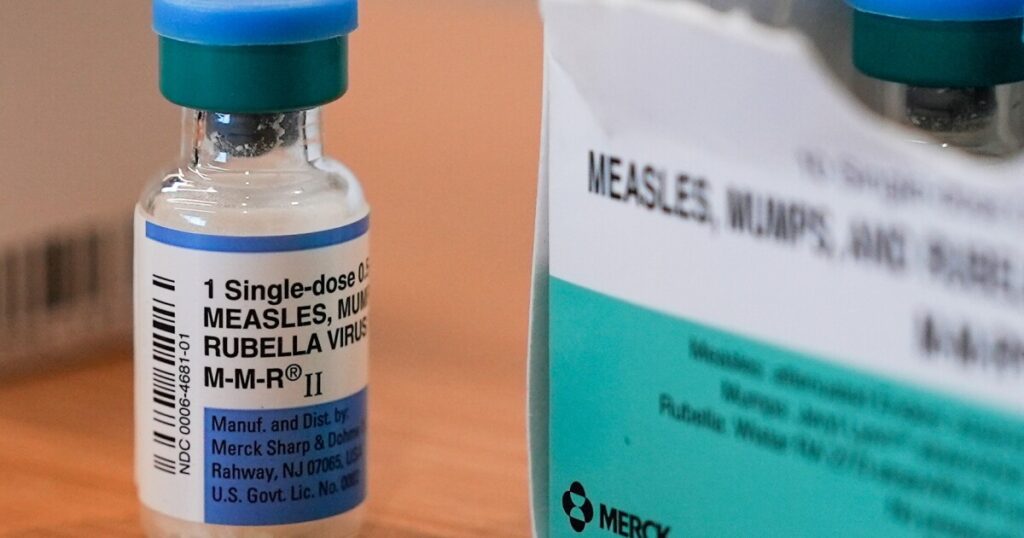
Preventive measures against measles primarily involve the MMR vaccine, as advised by the Centers for Disease Control and Prevention. Those experiencing symptoms are urged to isolate and consult healthcare providers by phone before visiting medical facilities, to prevent further spreading.
Arizona has witnessed a rise in measles cases this year. The state’s health department recently announced the conclusion of a significant measles outbreak in June, which affected close to 300 individuals, predominantly in the Colorado City, Arizona, and Hildale, Utah areas.
ADHS data indicate that nearly all measles cases involved individuals who had not been vaccinated.
Despite severe drought, Navajo Nation weavers continue to bring their flocks of a rare, sacred breed of sheep to a summer camp atop the Carrizo Mountains near the Four Corners.
—
Read More Arizona News