In a move that reignites a longstanding debate, the Trump administration recently announced plans to lift a moratorium on mineral leasing near New Mexico’s Chaco Canyon, aiming to reverse a drilling ban established during the Biden administration. This shift could significantly impact the region, which has been a point of contention between cultural preservation advocates and energy developers.
A new draft environmental assessment, spanning 140 pages, has emerged just three months after the Bureau of Land Management collected about 70,000 public comments. The public now has until July 29 to provide further input on the proposal. Share your thoughts here.
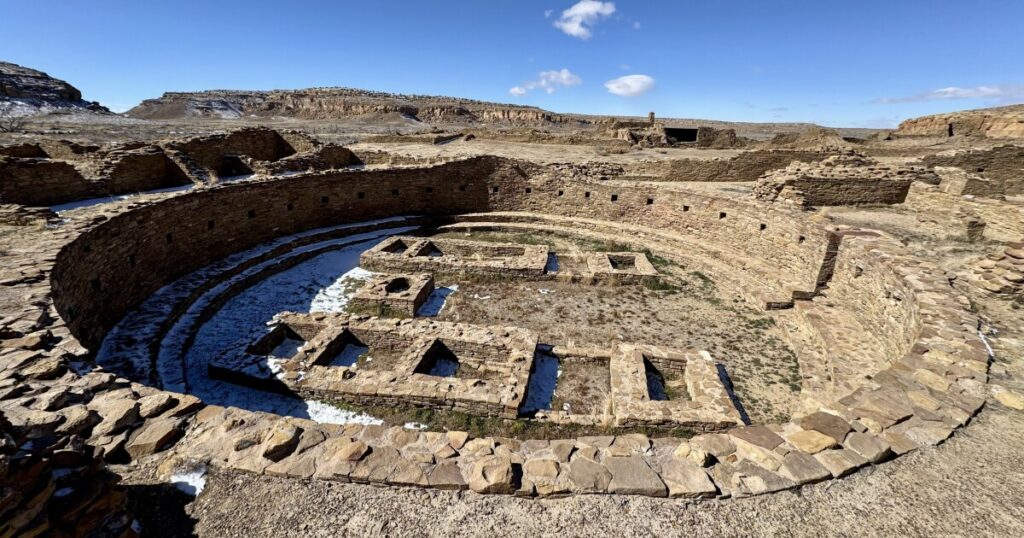
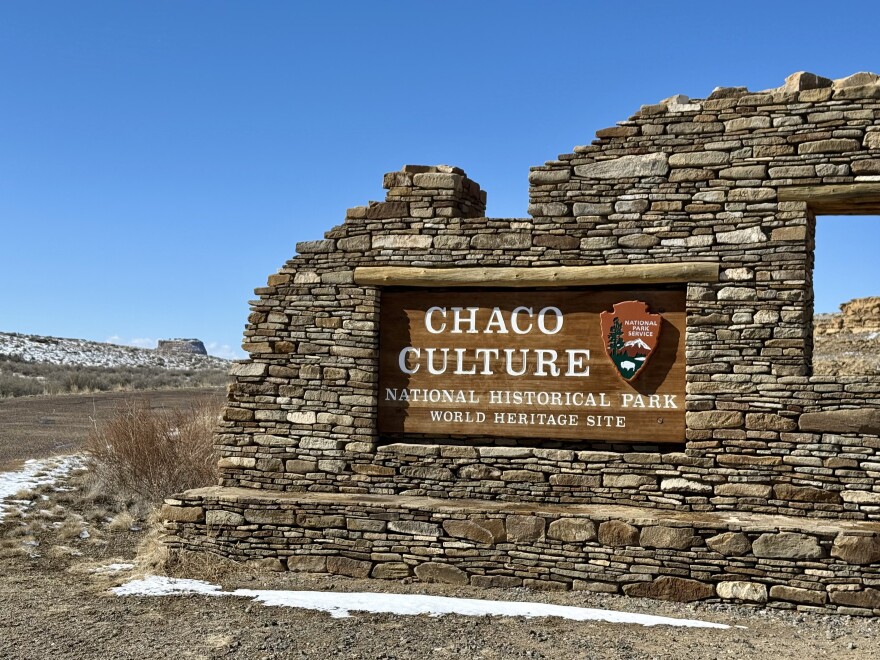
Chaco Canyon has a rich history as a center of trade and ceremonial activities for ancestral Puebloans, with its iconic stone masonry kivas dating back over a millennium. Recognized as a national monument under Teddy Roosevelt in 1907, the area was expanded by subsequent administrations and designated a national historical park in 1980. This sacred landscape is valued both as a cultural treasure and a potential economic asset.
‘That’s what the whole battle is’
Located less than 30 miles from U.S. Route 550, Diné activist Mario Atencio identifies the buffer zone established by the Biden administration as a critical area under threat from development. Atencio notes, “Everywhere else — all the way up to Colorado — has already been leased. This is the last few lands. That’s what the whole battle is.”

The buffer spans 336,400 acres, with Archeology Southwest estimating up to 25,000 significant sites, based on a 2020 survey led by Paul Reed. Reed emphasizes the site’s cultural continuity, stating, “Many of the things that make pueblo people special today… flow directly out of things that happened in Chaco Canyon.”
The Bureau of Land Management acknowledges over 7,500 historic and 145 cultural properties in the area, though these are “minimum estimates.” Atencio has actively highlighted these issues through “toxic tours” for various audiences, including government officials.

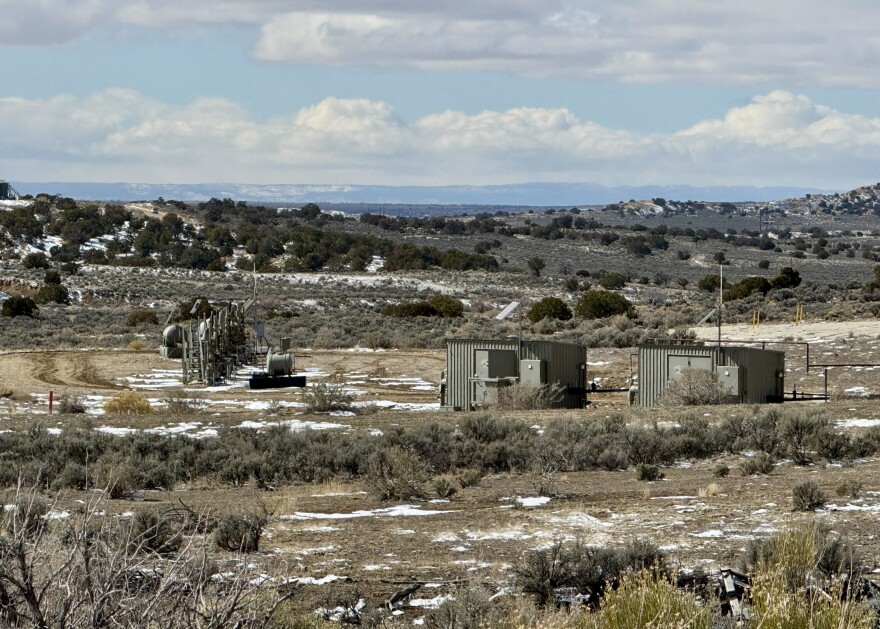
The presence of energy infrastructure is ubiquitous, with Sinclair Oil’s dinosaur mascot symbolizing the ongoing fossil fuel industry. Atencio reflects on the area’s transformation, noting, “This used to be a sort of ceremonial ground. There’s wells over there.” Approximately 40,000 wells are scattered across the landscape.
‘And that was still the position’
The Navajo Nation government, led by Council Delegate Brenda Jesus, supports eliminating the buffer, aligning with Trump’s stance on energy independence. Jesus recalls previous tensions with the Biden administration, but noted a more receptive dialogue with current Interior Secretary Doug Burgum.
Meanwhile, the pueblos and Hopi Tribe of Arizona express dissatisfaction with the current administration’s engagement. Acoma Pueblo legal counsel Aaron Sims claims, “Under this current administration, we have not had any visits that involved pueblo leadership there at Chaco Canyon.”
‘If we lose Chaco, who else are they going after?’
Former Interior Secretary Deb Haaland, a Laguna Pueblo member, defends the buffer zone as a crucial protective measure. Now campaigning for New Mexico governor, Haaland asserts, “Protecting Chaco is very popular around the entire state.”

New Mexico’s Democratic congressional delegation opposes the rollback, with Sen. Martin Heinrich lamenting recent developments as part of a broader trend towards unchecked development. Acoma Pueblo Gov. Charles Riley urges reflection on the landscape’s future, warning, “If we lose Chaco, who else are they going after?”
“`
—
Read More Arizona News