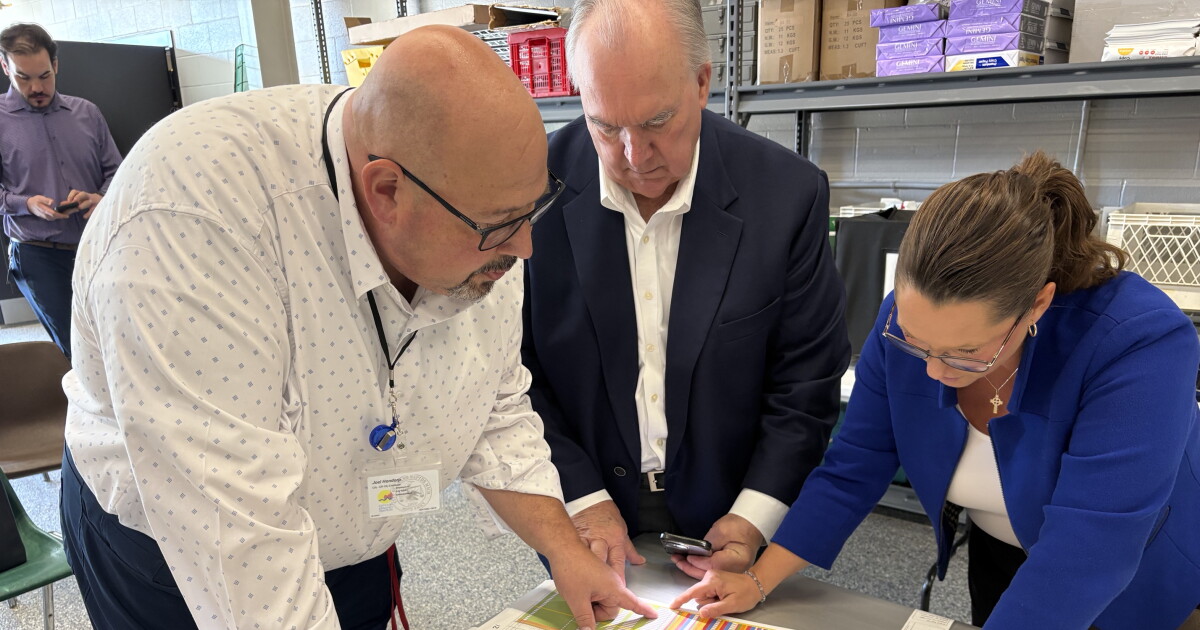
A legal wrangle in Michigan’s legislative branches concluded with a dramatic turn of events as the Michigan Supreme Court’s decision led to a rapid series of actions involving nine bills. These bills, which had been delayed for 18 months, were finally sent to Governor Gretchen Whitmer only to be met with her veto.
The Michigan Supreme Court’s refusal to hear the case left a lower court’s ruling intact, requiring that the bills be forwarded to the governor. This decision has brought clarity to a long-standing debate over legislative powers in Michigan.
An order from the state Supreme Court stated they were not convinced the case warranted further review, thereby upholding previous court findings. These findings indicated that House Speaker Matt Hall and the Republican majority lacked the constitutional authority to withhold bills passed by both chambers during Democratic control.
Senate Majority Leader Winnie Brinks, a proponent of the lawsuit to release the bills, remarked, “The Constitution prevailed today and that is a great thing worth celebrating,” but also expressed her disappointment over the governor’s veto.
The nine bills, primarily focused on Democratic initiatives, proposed measures such as increasing the share of health insurance costs covered by public employers, safeguarding public assistance payments from debt collection, enabling museum millages in Detroit, and integrating corrections officers into the Michigan State Police pension system.
Particularly contentious was the veto of the pension program for corrections officers, which received criticism from both parties. Republican Senator Ed McBroom, who was involved in crafting the legislation, suggested the veto exemplified the governor’s disregard for the staffing issues in state prisons.
Byron Osborn, representing Michigan’s corrections officers, noted the proposed legislation could have helped alleviate the “staffing crisis” by improving recruitment and retention incentives.
In her veto letter, Whitmer attributed the delay and subsequent unworkability of the bills to House Republicans, expressing willingness to cooperate on revised versions.
Whitmer stated, “House Republicans spent the last 18 months sitting on these bills, spending taxpayer dollars on costly lawsuits, and creating unnecessary uncertainty and preventing action on issues that matter to Michigan families.” She added that a timely submission of the bills would have resulted in a different outcome.
Despite the setback, House Speaker Hall maintained his position, criticizing Democrats for not advancing the bills while they had legislative control. He remarked on his swift action to deliver the bills to the governor post-ruling, saying, “My sympathies to the Democrats that they went through all of this work just for the bills to end up vetoed.”
—
Read More Michigan News