Medicaid Coverage Challenges for Pregnant Women in Michigan
In Michigan, nearly 50% of newborns are delivered under Medicaid coverage. Despite this, many pregnant women struggle to secure the healthcare they need, especially during crucial times of their pregnancies.
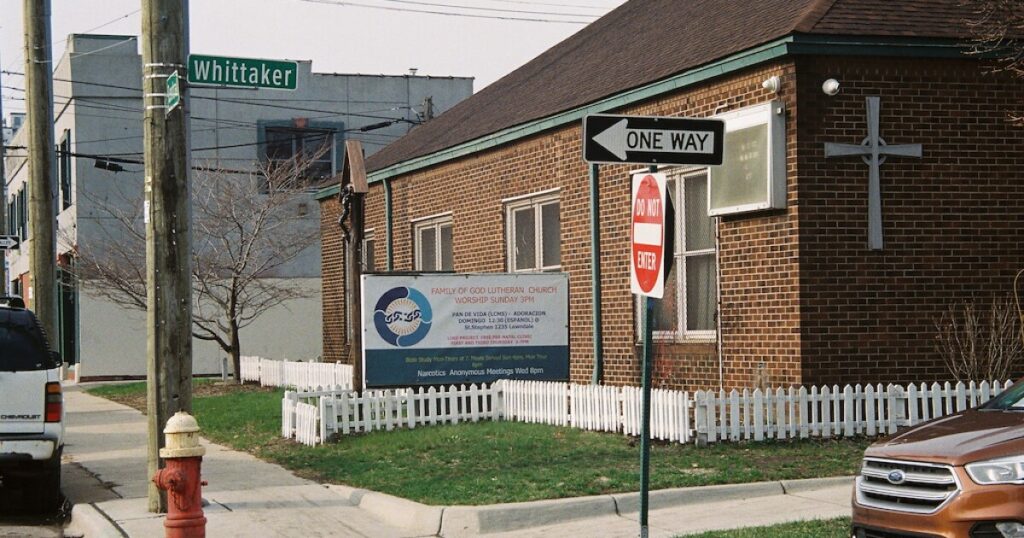
At a Lutheran church in southwest Detroit, the Luke Clinic operates a few Thursdays each month, offering free prenatal and infant care. This service is a lifeline for many expecting mothers who find themselves navigating a healthcare system that is often inaccessible.
The atmosphere inside the clinic is one of bustling activity. Medical professionals move swiftly between rooms, conducting examinations, taking vitals, and providing support. Doulas offer guidance to first-time mothers, all while children play nearby, choosing a stuffed animal to take home under the clinic’s “one toy per child” rule. Numerous tables are filled with baby essentials like clothes, formula, and hygiene supplies, alongside HIV tests and Narcan kits.
According to state data, approximately 5% of women of childbearing age in Michigan are uninsured. The recent cessation of pandemic-era Medicaid protections in 2023 led to over a million Michiganders unexpectedly losing automatic coverage due to procedural lapses like missed renewal notices or incomplete documentation.
Melody Armstrong, referred to the Luke Clinic by UM Health-Sparrow, shared her experience. Despite being eight and a half months pregnant, she travels from St. Clair County for her prenatal visits. “I got my insurance turned on at roughly 20 weeks,” Armstrong explained. When faced with the option to transfer her care, she chose to stay at the Luke Clinic, feeling comfortable with the caregivers she had established trust with.
Armstrong’s story underscores the difficulty of navigating Medicaid paperwork, a challenge echoed by other patients. “Honestly, in America, it’s pretty normal. You just get told, like, ‘refile if you can,'” she said, expressing her initial confusion with the process.
Katlyn Syrett, another patient, recounted the uncertainty she faced upon learning of her pregnancy without insurance. Recommended by her sister-in-law, she found solace at the Luke Clinic, where staff helped her through the Medicaid application process. “It made … everything so much lighter because I didn’t have to worry about financial struggle,” Syrett said.
For many patients, the Luke Clinic represents a vital resource in a healthcare landscape fraught with barriers. Dr. Katherine Gold, the clinic’s medical director, highlights the challenges patients face: “We see folks who have challenges reading or understanding stuff they’re reading. And so they may just get partway through the application and get confused and not continue.”
The clinic provides comprehensive services, including ultrasounds, prenatal vitamins, and referrals while partnering with the Detroit Health Department to facilitate access to Medicaid and other support programs. However, the demand on the clinic’s resources is immense, stretching its volunteer workforce and grant funding to the limit.
Transportation issues, unstable housing, and lack of childcare further compound the difficulties faced by these women, often leading to missed appointments and delayed care, which can have significant consequences during pregnancy.
Despite Michigan’s efforts to expand Medicaid coverage, including extending postpartum care to one year, access to adequate prenatal care remains a challenge. “In most communities, there are not clinics like ours,” Gold stated. The Luke Clinic, with its limited resources, continues to provide critical care to those who might otherwise go without.
The trust and support built at the clinic are evident, as about 10% of patients return for future pregnancies even after gaining insurance. “They know we care for them. They can show up at any time,” Gold said.
—
Read More Michigan News