Article Summary –
Food banks and shelter services in Michigan are experiencing increased demand as federal funding cuts and economic policy changes during the Trump administration have led to a reduction in essential benefits and rising costs of goods. Shelters like the Detroit Rescue Mission Ministries have seen a significant rise in individuals seeking aid, primarily due to cuts in programs like Medicaid and SNAP, while food banks such as Feeding America West Michigan are struggling with reduced funding and higher operational costs due to increased fuel prices. Despite community support and fundraising efforts to mitigate these challenges, the uncertainty of continued price hikes and dwindling federal assistance remains a concern for service providers.
Food banks and shelter services in Michigan are experiencing increased demand as more residents seek assistance, driven, in part, by policies from President Donald Trump’s administration.
“We’re urging more donations, and while many are helping, the surge in need is heartbreaking,” said Chad Audi, president of the Detroit Rescue Mission Ministries, to the Michigan Independent. “With benefits slashed, especially SNAP and grants, people turn to us for support.”
Federal funding cuts during Trump’s tenure have affected millions, putting programs like Medicaid and SNAP at risk. Policies related to workforce reductions and tariffs have increased the cost of essentials like groceries and gas.
The consumer price index rose 3.3% year over year in March 2026, according to the Bureau of Labor Statistics, driven by an 11% hike in energy costs. Trump’s conflict with Iran disrupted oil supply, pushing gasoline prices up by 21% in March.
Rising costs and unemployment, with a 4.3% national jobless rate in March as per BLS data, have led more to rely on community aid. The Detroit Rescue Mission Ministries reported a 71% increase in shelter demand, with no one being turned away.
Their food bank saw an 87% rise in demand since November. Similarly, Feeding America West Michigan noted increased need across its service area.
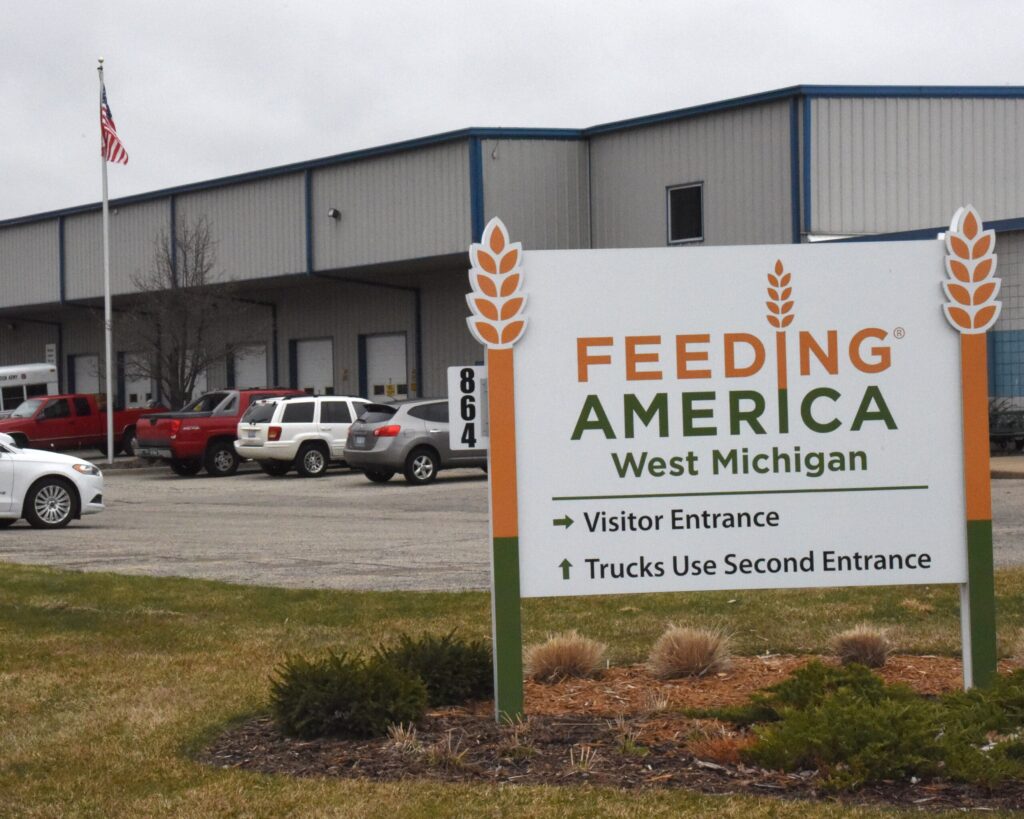
Ken Estelle, president of Feeding America West Michigan, said they’ve dipped into reserves due to federal funding reductions. Trump’s $500 million cut from the USDA’s Emergency Food Assistance Program resulted in a $2.2 million shortfall for them.
Estelle noted weather impacts and high fuel costs affecting rural demographics. “Transportation is crucial; when fuel prices rise, groceries get cut,” he said.
Feeding America’s mobile distribution costs have risen, spending $7,000 more monthly on diesel, equivalent to 28,000 meals.
Community support has been vital; Feeding America West Michigan raised $1.4 million in private funds. The Detroit Rescue Mission is 80% community-funded, though average donations have dropped from $50 to $15.
“Everyone’s affected, and future impacts from rising prices—like gas and groceries—are uncertain,” Audi added.
—
Read More Michigan News