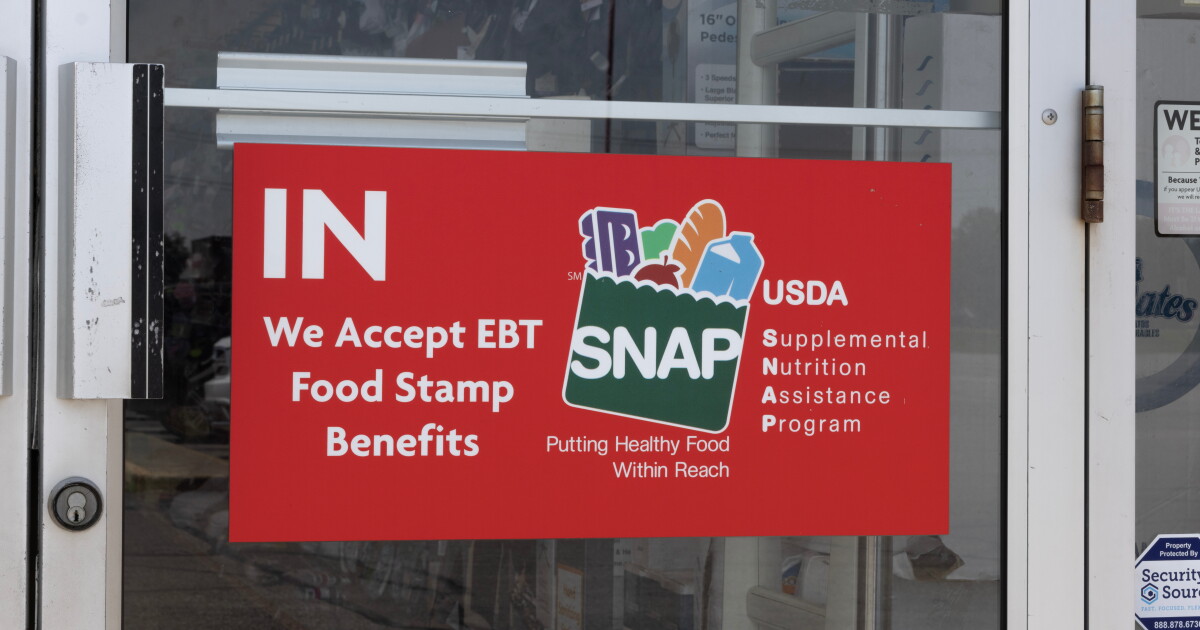
In a surprising move amidst efforts to promote healthier eating habits, a key nutrition education initiative is set to end soon. The SNAP-Ed program, which has long served low-income Americans by funding community cooking classes and farmers markets, is being phased out following President Trump’s signing of a significant tax and spending bill last summer. This decision leaves many puzzled, especially given the administration’s emphasis on healthy living.
The Supplemental Nutrition Assistance Program Nutrition Education and Obesity Prevention Grant Program, or SNAP-Ed, has been a cornerstone of public health in the United States. A report in the Journal of Nutrition Education and Behavior describes it as a “pillar of the public health infrastructure.” Despite its importance, the program will cease to exist soon, leaving advocates and experts confused, especially as food prices rise.
“It doesn’t make sense when we have an administration [promoting] the Make America Healthy Again efforts,” said Tashara Leak, a professor at Cornell University, “to then get rid of the largest federally funded nutrition education program that helps to achieve those goals.”
The White House has not clarified how this aligns with the “Make America Healthy Again” agenda but claims the new law strengthens SNAP and provides financial benefits to all Americans. Projects funded by SNAP-Ed have included workshops, meal planning classes, and health campaigns across various states.
Community Impact and Adjustments
SNAP-Ed funding officially ended in September 2025. However, states with remaining funds have until the end of this month to utilize them. The absence of SNAP-Ed has significant implications for low-income communities, evidenced by initiatives like The Food Trust’s Healthy Corner Store Initiative in Philadelphia. This program, supported by SNAP-Ed, strives to increase the availability of nutritious foods in convenience stores in underserved neighborhoods.
During a recent visit to Ray Food Market in Philadelphia, nutrition educator Elines Olivares offered samples of healthy oatmeal to customers. One local, Sherron Dudley, who had recently lost 100 pounds, learned from Olivares that her preferred honey wheat bread might not be as healthy as she thought. “I gotta change my bread,” Dudley remarked after deciding to switch to whole wheat.
SNAP-Ed’s Historical Role and Funding Challenges
SNAP-Ed’s roots trace back to the Food Stamp Act of 1977, which aimed to establish a national nutrition education program. Since its funding began in 1992, the program has expanded significantly, reaching 1.8 million Americans in 2022, according to USDA data.
Despite its successes, SNAP-Ed faced criticism regarding its effectiveness in reducing obesity and improving nutrition. The Government Accountability Office’s 2019 report criticized the USDA’s program tracking, prompting the launch of a new national reporting system in 2023.
However, the elimination of SNAP-Ed as part of broader SNAP reforms has left many organizations scrambling to adapt. Leah’s Pantry in California, which relied on SNAP-Ed for 90% of its budget, is drastically downsizing. “Our food environment is really challenging in this country,” said Adrienne Markworth, the organization’s executive director.
The Way Forward
As organizations adjust to the loss of SNAP-Ed, some continue to offer resources and training materials online. Advocacy groups remain in dialogue with Congress, exploring possibilities for future federal nutrition programs.
In Philadelphia, The Food Trust is bracing for the financial impact of the program’s termination. “We’re at a time where food in general is becoming less affordable,” said Heidi Gorniok, vice president of programs. “We’re now losing that ability to support people, who now have less money in their pockets, to find those healthy foods and be able to incorporate them into their diets.”
—
Read More Michigan News