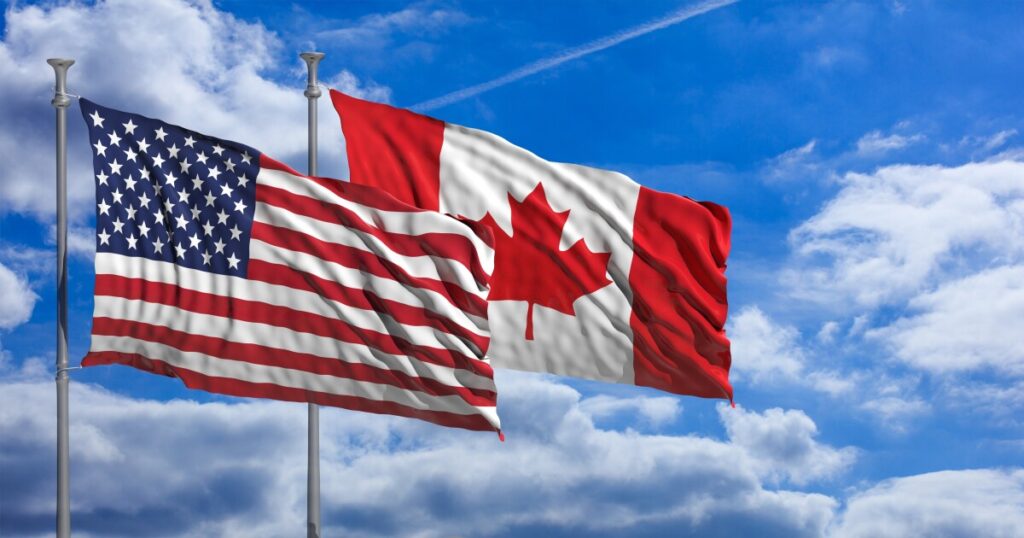
New Tariffs Spark Escalation in US-Canada Trade Tensions
In a dramatic turn of events, the longstanding trade relationship between the United States and Canada faces new challenges as U.S. President Donald Trump enacts significant tariffs on Canadian imports. The imposition of a 50% tariff on a wide range of Canadian goods marks a new chapter in the ongoing trade tensions between the two nations.
These tariffs, which took effect on Saturday, are anticipated to impact approximately 5% of Canada’s annual exports to the U.S., equivalent to around $20 billion worth of goods. Products ranging from hockey sticks to various agricultural items are among those affected. In response, Canadian Prime Minister Mark Carney announced that his government would initiate retaliatory measures starting September 8, matching the U.S. tariffs “dollar for dollar.”
Despite the escalating tensions, no new negotiations have been scheduled, leaving both countries in a precarious trade war. This situation raises concerns about increased costs for businesses and consumers on both sides of the border. Augustine Lo, from the law firm Dorsey & Whitney, highlighted the widespread impact of the trade dispute, stating, “Nearly all industries and professions are likely to see downstream effects from this spiraling trade dispute.”
Products Affected by Tariffs
The 50% U.S. tariffs target a diverse array of Canadian exports, including hockey sticks, wine, cement, honey, seeds, and various agricultural products. Additionally, items such as makeup, clothing, jewelry, and furniture are also on the list. Notably, some goods previously protected under the US-Mexico-Canada Agreement (USMCA) are now subject to these tariffs, raising questions about the future of this trade pact.
Legal and Economic Implications
President Trump implemented these tariffs by invoking Section 338 of the Tariff Act of 1930, a rarely used law dating back to the Great Depression era. This section allows the president to impose import taxes of up to 50% on countries perceived to discriminate against U.S. businesses. The lack of precedent for this action suggests potential legal challenges ahead.
In defense of the tariffs, Trump accused Canada of unfairly discriminating against U.S. exports of automobiles, alcohol, and dairy products. He expressed frustration over Canada’s previous retaliatory measures, which had impacted U.S. exports.
Canada’s Response and Future Prospects
Prime Minister Carney has vowed to respond with equivalent tariffs on U.S. goods, targeting steel, dairy, appliances, and electronics, among others. He emphasized Canada’s resilience and readiness to face the challenge, while also expressing willingness to negotiate if the U.S. reduces its tariffs.
With tensions escalating, the question remains whether these tariffs will be temporary or if they signal a long-term shift in North American trade dynamics. Dave Townsend, a partner at Dorsey & Whitney, remarked on the evolving “tariff landscape” and the potential for further economic repercussions.
As the trade dispute unfolds, the impact on inflation and consumer prices is a growing concern, particularly with midterm elections approaching. The political ramifications for President Trump could be significant as voters grapple with the economic consequences of the tariffs.
—
Read More Michigan News