Congress is considering reversing state animal welfare laws during the reauthorization of the federal farm bill. The farm bill, typically revised every five years, governs food assistance programs, farm subsidies, and other agricultural initiatives. A significant proposal within the bill is the Save Our Bacon Act, which seeks to prevent states from imposing their own livestock raising regulations. This targets California’s Proposition 12, a law mandating animal welfare standards such as cage-free confinement and minimum floor space.
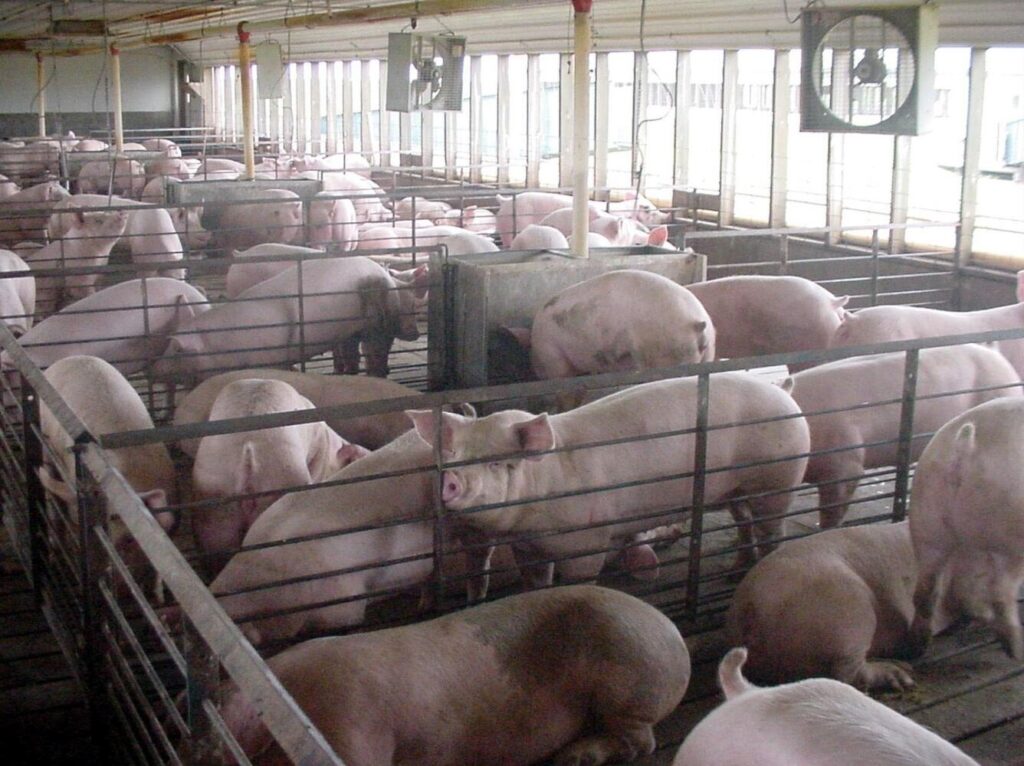
Proposition 12 specifically bans the use of gestation crates, which are restrictive pens for hog sows. At least 15 states prohibit such confinement methods for various farm animals. However, the farm bill currently excludes protections for egg-laying hens as outlined in California’s legislation. The state law also restricts the sale of non-compliant meats from other states, a point of contention among opponents who argue it imposes burdens on producers.
U.S. Rep. Ashley Hinson, an advocate for the Save Our Bacon Act, argues the legislation protects farmers from activists unfamiliar with agriculture. Supporters of Proposition 12 emphasize growing consumer demand for better animal welfare standards, suggesting that farmers not selling in California can ignore the law. Esmeralda Soria, California Assemblywoman and agriculture committee chair, highlights voter support for the law, warning that repealing it could disrupt the state’s meat and egg production.
Federal attempts to challenge Proposition 12 have persisted since a failed legal challenge by pork producers. The farm bill proposal, gaining bipartisan support, passed in the House by a narrow margin and is now under Senate negotiation. The debate reflects broader tensions about state versus federal control in economic regulation.
An issue of state autonomy
While California is the focal point, critics say the congressional proposal could affect over 600 state agricultural policies, as found in a Harvard Law School analysis. These include seafood labeling and pest control regulations. Researchers warn of potential regulatory chaos and long-term disruption if Congress overturns state laws.
Texas Agriculture Commissioner Sid Miller defends California’s right to self-governance despite disagreeing with their mandates. He acknowledges Proposition 12 has raised egg and pork prices but argues the Constitution grants states such powers. Miller, who lost a recent primary, notes that producers investing in compliance would face financial loss if Congress blocks the law.
Alicia Prygoski of the Animal Legal Defense Fund advocates for Proposition 12 as a logical measure promoting humane animal treatment. She contends that regulatory differences are common across states, as seen in varying agricultural rules.
‘We care a lot about our animals’
Trish Cook, an Iowa pig farmer, relies on scientific advice from veterinary organizations for her large-scale operation. Despite the Supreme Court’s support for Proposition 12, Cook emphasizes the need for Congress to safeguard farmers from varied state regulations. She argues for consumer access to pork without adhering to “arbitrary” state rules, like California’s requirement for 24 square feet of space per sow.
Some producers criticize conventional confinement methods as poor animal husbandry. Alicia LaPorte from Niman Ranch advocates for humane practices, noting their economic benefits and consumer-driven demand. She warns that proposed federal legislation could undermine investments in humane farming practices, destabilizing markets and threatening family farms.
—
Read More Montana News

![Jody White’s Unconventional Michigan Supreme Court Candidacy Explored[embed]https://www.youtube.com/watch?v=8NfxFIPE4ac[/embed]](https://www.kitchentablenews.org/wp-content/uploads/2026/10/Jody-Whites-Unconventional-Michigan-Supreme-Court-Candidacy-Exploredembedhttpswwwyoutubecomwatchv8NfxFIPE4acembed.com2F842F0e2Fc7223daa43c9876b36a4e00773a42Fme-supc.png "Jody White’s Unconventional Michigan Supreme Court Candidacy Explored[embed]https://www.youtube.com/watch?v=8NfxFIPE4ac[/embed]")