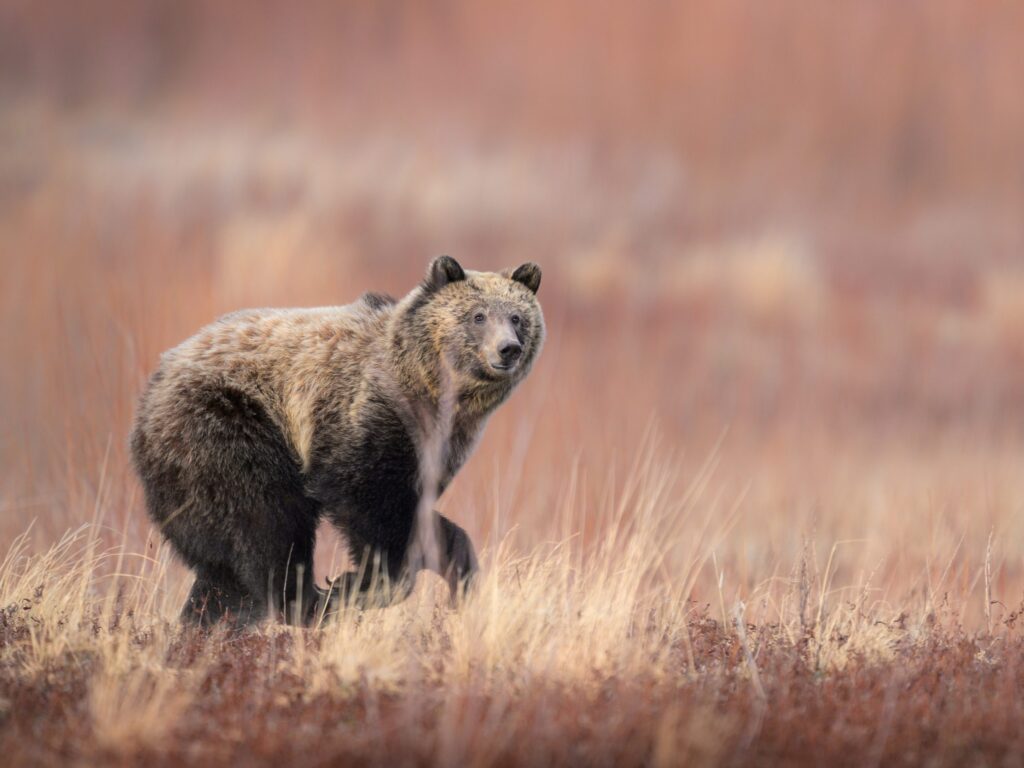
This past summer, during a jog on a familiar trail, a sudden encounter with a cinnamon black bear tested the notion of dogs as reliable bear detectors. My 7-year-old black lab mutt, Camas, alerted me with an unfamiliar bark, leading me to reach for my bear spray. As the bear quickly retreated, I felt a momentary sense of pride in Camas’ instincts.
In regions where bears roam, it’s commonly believed that dogs act as early warning systems or even deterrents. However, a groundbreaking study from the Journal of Wildlife Management suggests otherwise. The research analyzed bear-dog encounters across North America, revealing that dogs might not provide the safety many assume.
Lead author Tom Smith, a wildlife biologist from Brigham Young University, scrutinized 326 incidents over a century, using diverse sources such as news articles, government reports, and more. Smith’s interest in human-bear interactions has been longstanding, but a 2023 bear attack in Canada, where two people and their dog were killed, underscored the issue’s urgency. Recent incidents involving bear attacks on dog owners have only heightened concerns.
The findings
This study highlights a frequent lack of preparedness among people for bear encounters, with many mistakenly relying on dogs to keep them safe. Surprisingly, only a small percentage carried bear spray or firearms. The data also showed that dogs often provoked bears rather than warning their owners, with dogs engaging aggressively with bears 40% of the time and running away 20% of the time.
Leashes significantly influenced interaction severity; incidents involving unleashed dogs were six times more frequent. The study found that dogs often acted as “bear boomerangs,” leading bears back to their owners, with injury occurring in the majority of these cases. Furthermore, having a dog present increased the likelihood of a bear conflict compared to groups without dogs.
These findings suggest an evolutionary tension between bears and dogs, rooted in the historical rivalry between bears and wolves. While dogs can unwittingly trigger these ancient instincts, the research primarily involved domestic dogs rather than trained guardian dogs, which have been shown to reduce bear presence on farms. Most human-bear encounters occur without incident, as noted by Smith in his paper.
Should your pup join the hike?
Smith emphasizes that keeping dogs out of bear country isn’t the takeaway, but rather implementing strategies to improve safety. Traveling in groups, reducing scents, and making noise are key practices. He advises carrying deterrents like bear spray or firearms for experienced users. Bear encounters can happen swiftly, so quick access to deterrents is crucial.
For those who choose to bring their dogs, leashing is recommended. Smith points out the broader risk posed by unleashed dogs to various wildlife, not just bears. Reflecting on Camas’ role in bear country, the unpredictability of dogs is evident. They can be both a warning and a risk, underscoring the importance of preparedness in bear territory.
—
Read More Montana News