Imperial Valley College has been pioneering education initiatives targeting the lithium industry, a cornerstone of clean energy transition. Corban Dillon, a local resident, enrolled in these training programs to secure a future in lithium jobs. Despite completing multiple certificates, Dillon and his peers face an uncertain job landscape as the region’s lithium opportunities have yet to materialize.
Dillon, who previously worked in his family’s courier business, hoped the new skill sets would offer a stable career path in lithium extraction. The challenge highlights a common dilemma for educational institutions in emerging sectors: aligning graduation timelines with industry demands. With no immediate job prospects, students are left in limbo, waiting for the industry to develop.
“A lot of us already have jobs or have families and are trying to juggle all that and trying to get a certification,” said Dillon, 41. “And not having actual potential employment as of right now, it’s hard for one person to sit there and say, ‘You know what? Let’s continue with this.'”
Imperial Valley College has temporarily scaled back its lithium programs due to the job market’s unpredictability. This issue is a recurring one in new industries, as seen in solar and manufacturing sectors. Betony Jones from UC Berkeley’s green economy program calls it an “incredibly common” challenge.
Imperial County, with high unemployment rates, is eager for new job opportunities. Priscilla Lopez, the county’s workforce director, highlights the demand with an anecdote: a new hotel offering 50 jobs drew nearly 1,500 applicants in a single day. Residents often feel they must leave to find work, but local lithium jobs could change that perception.
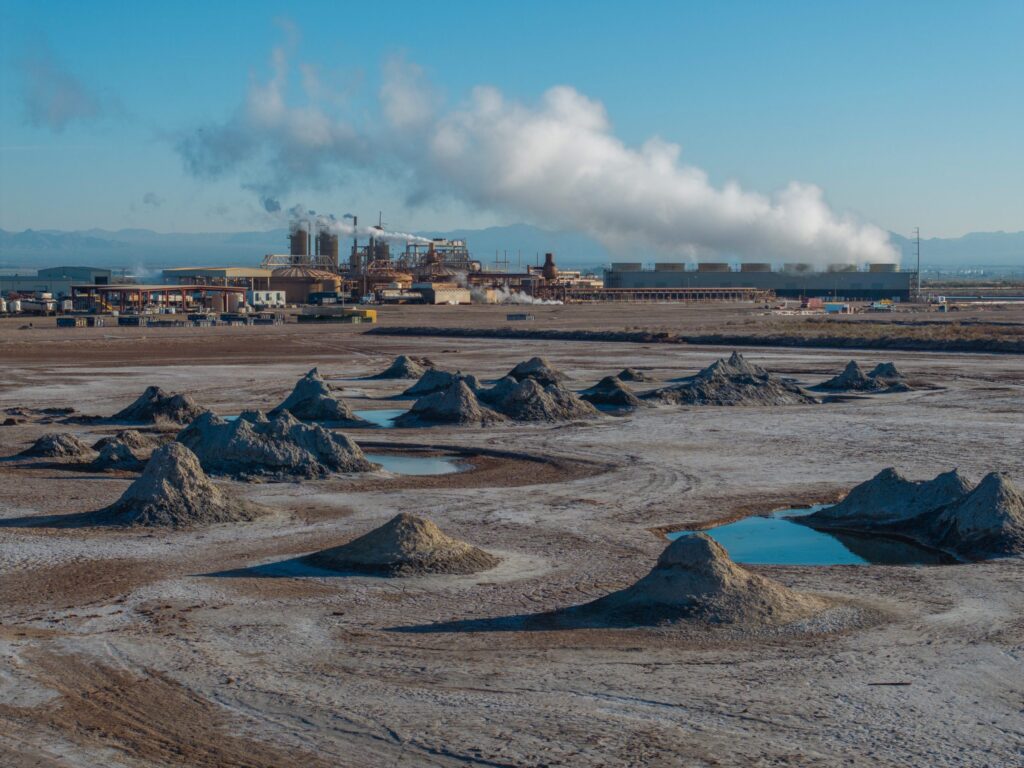
Companies like Berkshire Hathaway Energy Renewables have set their sights on Imperial County’s lithium reserves, calling it “Lithium Valley.” However, the reality has been slower than anticipated, with BHE Renewables just completing its demonstration plant. Controlled Thermal Resources is still in funding stages, delaying job availability by at least two more years.
San Diego State University responded by investing $80 million in a new STEM campus to support local industry needs. The university’s new programs in electrical engineering and chemistry align with the anticipated requirements of the lithium and geothermal sectors.
Meanwhile, Imperial Valley College has adjusted its student intake and paused certain certificate offerings until the industry catches up. Despite these setbacks, the college remains hopeful that its graduates will eventually find roles in the evolving lithium market.
George Prieto, enrolled in the plant operator program, and Alberto Curiel, who shifted from considering an electrician certificate, are hopeful that their skills will be in demand soon. However, the journey is fraught with challenges as federal funding and attention shift to lithium projects in other states, such as Arkansas and Nevada.
Local leaders and institutions emphasize the importance of adapting to these changes. John McMillan of SDSU stresses collaboration with companies and ensuring students receive quality education that prepares them for various industries.
—
Read More Kitchen Table News