Article Summary –
Democratic Governor Tony Evers signed into law a bipartisan bill, Senate Bill 23, now 2025 Wisconsin Act 102, extending Medicaid coverage from 60 days to one year postpartum for mothers under BadgerCare Plus as part of his Healthy Moms, Healthy Babies initiative to improve maternal health. This legislation addresses maternal healthcare disparities, particularly for Black mothers, who experience significantly higher rates of pregnancy-related deaths, and reduces postpartum hospitalizations and prevents pregnancy-related deaths, with data showing 95% of these deaths are preventable. The bill, initially blocked by Republican Assembly Speaker Robin Vos, reflects ongoing efforts to enhance social services in Wisconsin and is set to take effect on July 1, contingent upon approval by the Centers for Medicare and Medicaid Services.
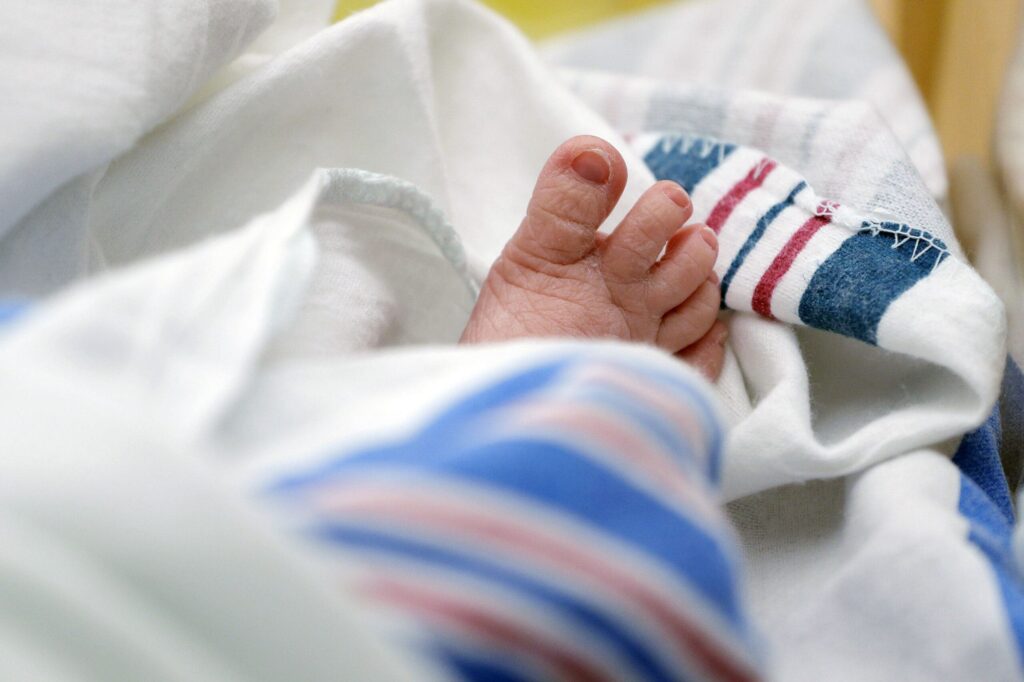
Democratic Gov. Tony Evers has signed into law a measure expanding postpartum care benefits for mothers under BadgerCare Plus, Wisconsin’s Medicaid program.
The bipartisan-supported Senate Bill 23, now 2025 Wisconsin Act 102, signed by Evers on March 18, extends Medicaid coverage for Wisconsin mothers to one year after birth. Before this, only Wisconsin and Arkansas hadn’t extended postpartum Medicaid beyond the mandated 60 days to the permissible 365 days under the American Rescue Plan Act of 2021.
“As governor, I’ve had the honor of being part of many historic days for Wisconsin,” Evers stated at Children’s Wisconsin hospital in Milwaukee. “Today is historic. Nearly seven years ago, I first proposed extending postpartum Medicaid from 60 days to a year. It was a key part of my Healthy Moms, Healthy Babies initiative aimed at improving maternal and infant health across the state.”
Evers detailed his persistent efforts to reduce infant mortality and address racial disparities in maternal health by proposing the Healthy Moms, Healthy Babies program in the 2019 state budget. Despite Republican opposition, including Assembly Speaker Robin Vos blocking the bill, he continued to reintroduce it in 2021, 2023, and 2025.
Vos, who previously blocked the bill, voted in favor of S.B.23 but announced his retirement at the end of his term. “We already have enough welfare in Wisconsin,” Vos said, according to ProPublica.
The Wisconsin Department of Health Services reported that Medicaid covers four out of ten births in the state.
A 2023 study titled “Medicaid Expansion Led To Reductions In Postpartum Hospitalizations,” published in Health Affairs, indicated that Medicaid expansion decreased hospitalizations by 17% in the first 60 days postpartum, enhancing health outcomes for lower-income birthing people.
Evers emphasized that the bill not only enhances care but also saves lives. “According to Department of Health Services data, on average, 21 women die annually from pregnancy-related causes in Wisconsin, nearly half postpartum,” he said.
A press release from Evers’ office highlighted that the Wisconsin Maternal Mortality Review Team found 95% of pregnancy-related deaths were preventable. Wisconsin Department of Health Services Secretary Kirsten Johnson noted, “Extending coverage improves health outcomes by enhancing a new mother’s physical and emotional health and reduces the need for long-term treatment.”
According to Wisconsin Public Radio, state Rep. Robyn Vining stated, “Postpartum Medicaid expansion will prevent preventable deaths, providing health care, including mental health care, to new mothers.”
Evers also addressed the severe racial disparities in Black maternal outcomes, citing a 2025 report indicating Black residents in Wisconsin have over twice the mortality rate from pregnancy-related causes compared to the general population.
“If lawmakers listened to Wisconsin women more, this bill would have passed long ago,” Evers said to applause. The new postpartum coverage is slated to begin on July 1, pending approval by the Centers for Medicare and Medicaid Services.
—
Read More Wisconsin News