Article Summary –
Wisconsin’s health department will allocate $31 million from opioid settlement funds over the next two years towards substance use treatment and prevention, with specific allocations including $9 million for Tribal nations, $6.5 million for Medicaid room and board, and $3.5 million for naloxone distribution and prevention efforts. The state has witnessed a 42.5% decrease in opioid overdose deaths from 2023 to 2024, attributed to efforts such as widespread naloxone distribution. Continued funding will support programs for vulnerable populations, including $2 million each for pregnant and parenting women and state early education program participants, and $2 million for law enforcement training.
Wisconsin’s health department is set to allocate $31 million from opioid settlement funds towards substance use treatment and prevention over the next two years. These funds, part of the nearly $800 million received from litigation against opioid manufacturers, will be used in fiscal years 2026 and 2027.
According to a state announcement, the plan aims to sustain effective programs, enhance impactful strategies, and focus on priority populations across Wisconsin. Between 2023 and 2024, a significant 42.5% drop in opioid overdose deaths was reported, a major one-year decrease. Michelle Haese, the director of substance use initiatives, highlighted this progress as intentional and notable.
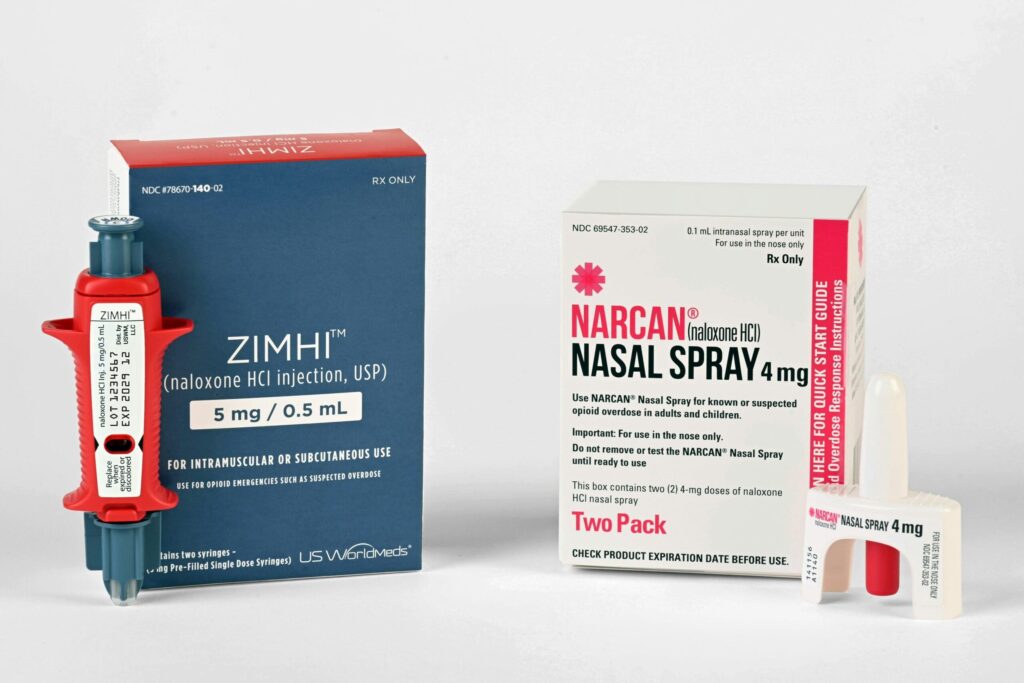
The $31 million will allocate $9 million for Tribal nations, $6.5 million for Medicaid members seeking residential substance use disorder treatment, and $3.5 million for overdose prevention through naloxone distribution. Additionally, $3 million will support prevention programs in schools and community groups.
“This funding has saved lives in Wisconsin,” stated DHS Secretary Kirsten Johnson. “We’ve invested significantly across the state to provide resources exactly where needed, committed to protecting against opioid misuse’s deadly outcomes.”
Haese noted that the expansion of naloxone distribution via pharmacies and community groups has been critical in reducing overdose fatalities. The funds include $2 million for pregnant women pursuing substance use treatment and another $2 million for families in the Birth to 3 Program needing recovery services.
Despite progress, barriers remain for pregnant women accessing substance disorder care, with overdose deaths increasing among women aged 15 to 44. “We aim to support this vulnerable group,” Haese emphasized.
The funds also allocate $2 million in grants for law enforcement to train staff on medications for opioid use disorder in jails. Attorney General Josh Kaul highlighted the positive impact of these efforts, urging continued action to reduce opioid-related deaths in Wisconsin.
Haese remains optimistic about the decline in overdose deaths but calls for sustained investment to uphold progress. “We’re hopeful about the trends, but more work is crucial,” she stated.
—
Read More Wisconsin News