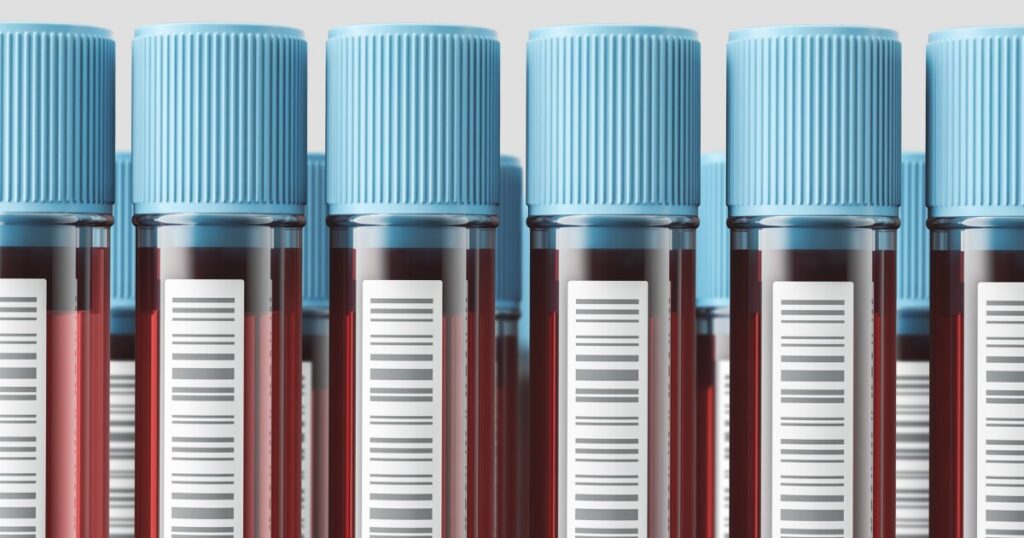
For many health-conscious individuals, keeping tabs on their physical well-being extends beyond regular doctor’s visits. This trend is reflected in the rising popularity of direct-to-consumer blood tests, which allow people to order their own blood work without a physician’s directive. As an example, Lana McDonald, a Massachusetts-based teacher, ventured into this space with intriguing results.
McDonald, who acquired an Oura Ring for sleep tracking, was drawn to a $99 blood test offer from Oura. After accessing the Quest Diagnostics website through the app, she quickly secured an appointment, receiving her results within a day.
The burgeoning direct-to-consumer blood testing market is becoming crowded with offerings from labs like Quest and Labcorp OnDemand, as well as companies partnering with these labs. Notable recent entrants include the wearable tech firms Oura and Whoop, while the telehealth platform Hims & Hers and Function Health, a healthcare tech company, have also introduced testing services.
This shift challenges the traditional healthcare model where doctors order tests and communicate results to patients. Instead, individuals like McDonald are navigating test results independently, sometimes without immediate medical guidance.
According to Dr. Anna Wexler from the University of Pennsylvania, “There’s this idea that more information is better — that having access to information is empowerment.” However, she notes that this can also result in stress from inconclusive or alarming findings.
Understanding Test Results
McDonald found eight of her test results were abnormal, including high cholesterol and low hemoglobin. Lacking explanations, she resorted to online research and eventually ordered a separate ferritin test from Quest, revealing low iron storage.
Interpreting these results without professional guidance can be challenging. McDonald shared her results with her doctor via a portal, but had to wait two months for an in-person follow-up.
Dr. Jeffrey Linder of Northwestern University points out that patients frequently bring external test results to appointments, asking for interpretations. Companies like Oura and Function Health use third-party clinicians to interpret results and contact patients with urgent findings. However, Wexler raises concerns about liability and accountability in these arrangements.
Function Health has integrated OpenAI’s ChatGPT Health to assist in explaining lab results, though it is not a substitute for professional medical care.
DIY Medical Testing Appeal
One key attraction of these tests is cost transparency. Function Health’s annual membership, including biannual blood tests, costs $365, while Hims & Hers offers a similar service for $499, discounted to $349. Another company, Superpower, charges $199 for over 100 tests.
Dr. Mark Hyman of Function Health believes early detection through such tests is crucial for predictive health management. However, Dr. Ricky Bloomfield of Oura emphasizes a more focused approach with limited, evidence-based tests.
Potential Pitfalls of Frequent Testing
The frequency of testing promoted by these companies raises concerns about over-testing. Linder warns against the normalization of routine blood tests, which are not a standard practice for healthy individuals.
Excessive testing can lead to unnecessary anxiety and medical interventions, such as invasive procedures triggered by abnormal results that are not indicative of poor health.
McDonald’s journey highlights the complexity of navigating these tests. After sharing her Oura results with her doctor, she repeated the tests through her insurance-covered lab, confirming similar results and leading to a diagnosis of anemia.
While McDonald found value in her experience, she cautions others, noting that similar tests might be available through insurance at no extra cost.
—
Read More Michigan News