Article Summary –
The One Big Beautiful Bill Act, signed into law in 2025, introduces significant changes to Medicaid administration in the U.S., including new work requirements, biannual eligibility renewals, and limits on taxes states can impose on medical providers, which experts believe could harm Americans with kidney disease, including the over 300,000 Medicaid recipients on dialysis. The law’s new Medicaid requirements, such as mandating able-bodied recipients to participate in work programs or schooling, pose challenges for dialysis patients, who often struggle with the physical demands of their treatment and the administrative burden of maintaining eligibility. Furthermore, the law imposes a $35-per-treatment co-pay for dialysis patients above the poverty line, potentially leading to difficult financial decisions for those already facing significant health challenges.
Experts warn that the One Big Beautiful Bill Act, signed by President Trump in 2025, may severely impact U.S. kidney patients.
The budget law alters Medicaid administration, introducing work requirements and out-of-pocket costs, restricting state taxes on medical providers, and requiring twice-yearly eligibility renewals.
These changes could worsen health outcomes for nearly 35.5 million Americans with kidney disease, including over 500,000 on dialysis and 300,000 Medicaid recipients.
“The worst is yet to come, as these requirements don’t start until Jan. 1, 2027,” said Dr. Jesse Roach, a nephrologist with the National Kidney Foundation.
The Medicaid law demands that able-bodied recipients aged 18-64 without dependents engage in 80 hours of work, school, or volunteering monthly unless exempt, placing paperwork burdens on patients.
Dr. Roach stated, “While many can get waivers, the paperwork remains a burden for those with chronic illnesses.”
The Commonwealth Fund stated that the law reduces provider taxes from 6% to 3.5%, affecting Medicaid funding and potentially harming rural dialysis clinics.
“Rural clinics, already operating on narrow margins, may struggle with reduced reimbursement,” Roach said.
NPR reported on a Nebraska hospital closure, forcing patients to travel long distances for treatment.
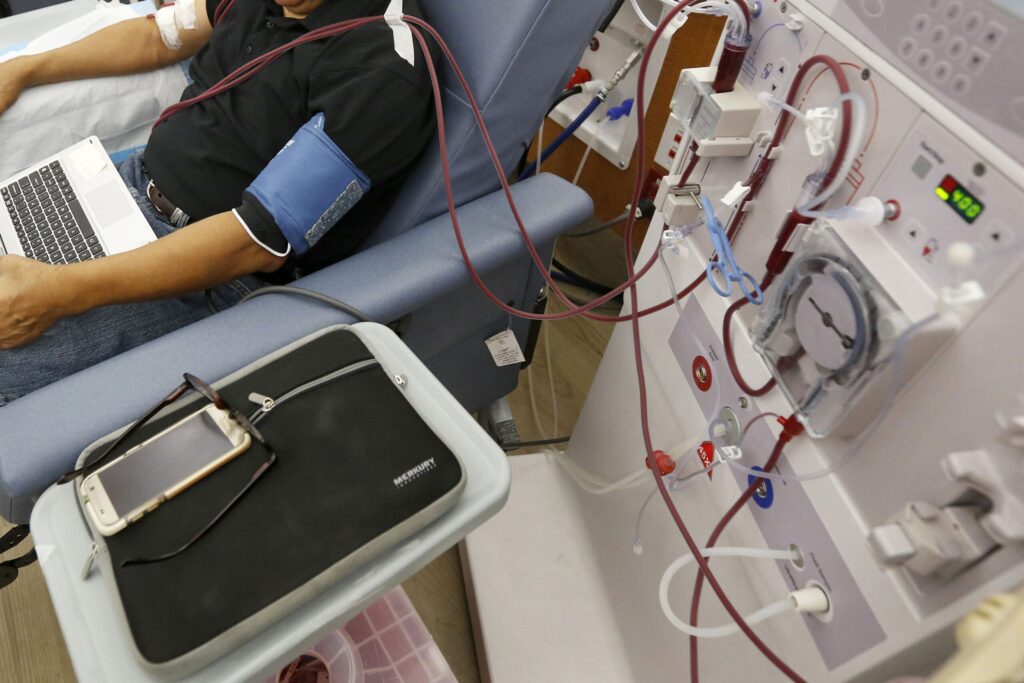
Patients on hemodialysis follow a strict schedule, spending hours in clinics, impacting daily life. The Mayo Clinic explains that this process leaves patients fatigued.
Peritoneal dialysis offers flexibility but requires daily treatment and involves infection risks.
Karol Franks, from the “I Hate Dialysis” Facebook community, spoke out against new Medicaid rules, emphasizing challenges faced by low-income dialysis patients.
Franks shared her daughter’s dialysis experiences and concerns over increased burdens.
The law also imposes a $35 co-pay per treatment for patients above the poverty line, totaling over $5,000 annually for thrice-weekly sessions.
“This cost-saving measure hits those barely making ends meet,” Roach remarked, noting tough choices between healthcare and essentials.
—
Read More Wisconsin News