Phoenix’s Scorching Future: A Glimpse into Climate Change Impact
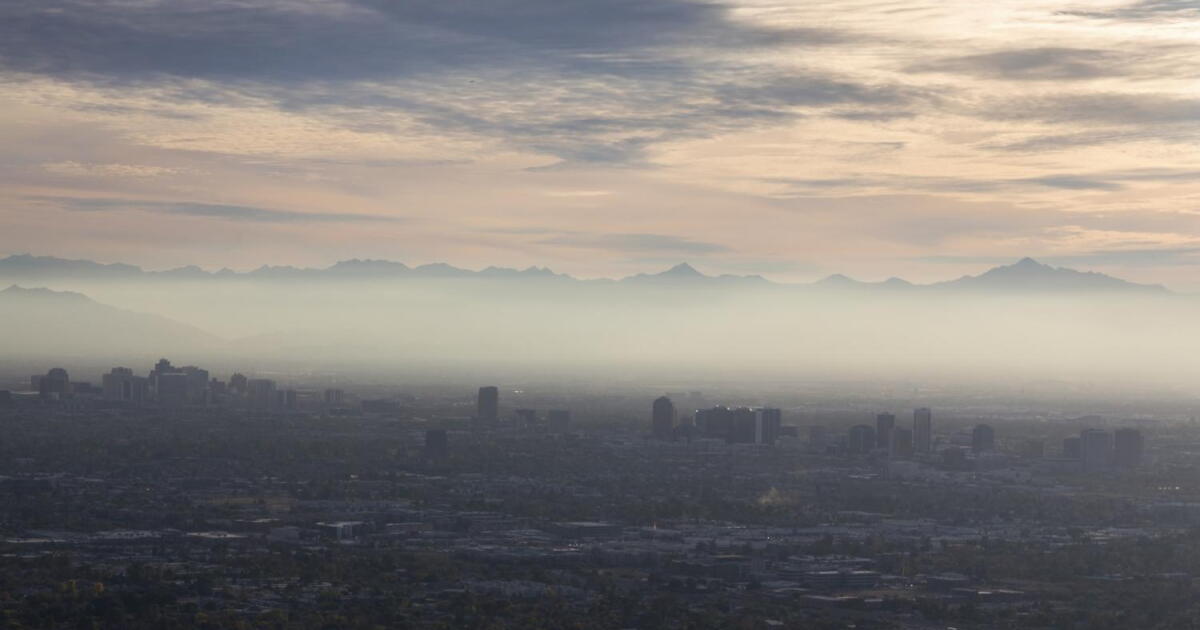
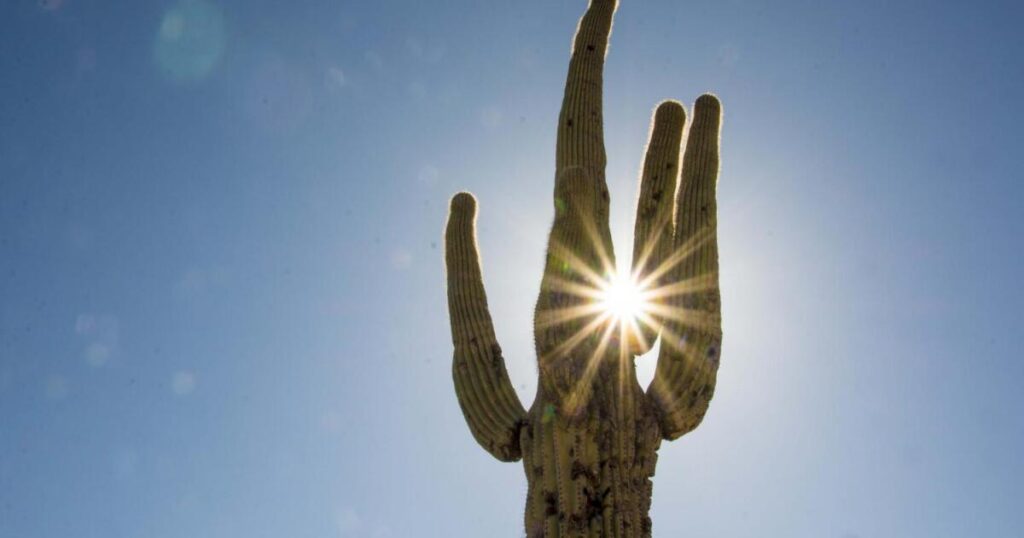
Renowned for its sizzling summers, Phoenix is on track to experience even hotter seasons due to human-induced climate change. As scientists predict, how much more intense could the heat become in the coming decades?
According to projections by Climate Central, the average summer high temperatures in Phoenix are expected to rise by 7.2 degrees by 2100. This increase would make the city’s climate resemble the current conditions of Saudi Arabia.

Climate Central
/
handout
Climate Central’s Zachary Labe states that summers will not only reach higher temperatures but also extend into longer periods. “We’re going to see summer-like heat extend into the fall and extend into the spring and you might even have a heatwave in winter into the future,” Labe said.
This trend is already observable, as March temperatures this year broke records with Phoenix hitting 100 degrees on March 18, marking its earliest triple-digit day ever, as reported by KJZZ.
The heat extends into the fall, with triple-digit temperatures persisting well into October, according to KJZZ.

National Weather Service
/
handout
Data from the National Weather Service highlights that since the 1990s, Phoenix has averaged 111 days annually at 100 degrees or hotter. However, more recently, this number has exceeded 120 days each year.
Climate forecasts suggest that by the 2050s, such triple-digit days will become standard, ranging from 120 to more.
Zachary Labe noted that while climate models differ, human activities, particularly greenhouse gas emissions, significantly influence future temperature outcomes. Even under lower emissions, Phoenix is expected to continue facing rising temperatures.
“Temperature is one of the metrics that we have the most confidence in, whereas things like precipitation it’s a bit more uncertain,” Labe said.
The Climate Explorer by the National Environmental Mapping and Applications Center shows that in a scenario with lower emissions, Phoenix could average 124 days above 100 degrees by 2050. In contrast, higher emissions could push the average to 134 days.
By the 2080s, projections suggest Phoenix may see between 131 and 156 days annually in triple digits, contingent on emission levels.

The National Environmental Mapping and Applications Center
/
handout
“Being that the largest uncertainty is due to humans, that actually, to me, gives us hope,” Labe said. “A lot of these really extreme conditions in the future with more hot weather, some of that can still be avoided depending on decisions we make in the near future.”
While natural climate variability will continue, Labe emphasizes that Arizona’s leadership should consider these warming trends in their planning for infrastructure, energy, water resources, and public health. “There’s a lot of important planning questions that can hopefully be answered by looking at these climate models,” Labe said.
—
Read More Arizona News