Article Summary –
The article reports that in 2026, the U.S. national average gasoline price remained above $4 per gallon for 158 consecutive days, surpassing the 2022 record, largely due to President Trump’s conflict with Iran, which affected global oil supply lines like the Strait of Hormuz. Patrick De Haan from GasBuddy highlighted ongoing high diesel prices, exacerbated by refinery maintenance and threats to regional oil infrastructure, including Houthi attacks on Saudi facilities. Experts like Rudi Leuschner warn that prolonged elevated fuel costs may soon lead to increased food prices, adding further strain to the economy.
2026 has exceeded the 2022 record for consecutive days with the U.S. national average gasoline price above $4.
On Oct. 13, it tied, and surpassed the next day, according to a post by Patrick De Haan from GasBuddy.
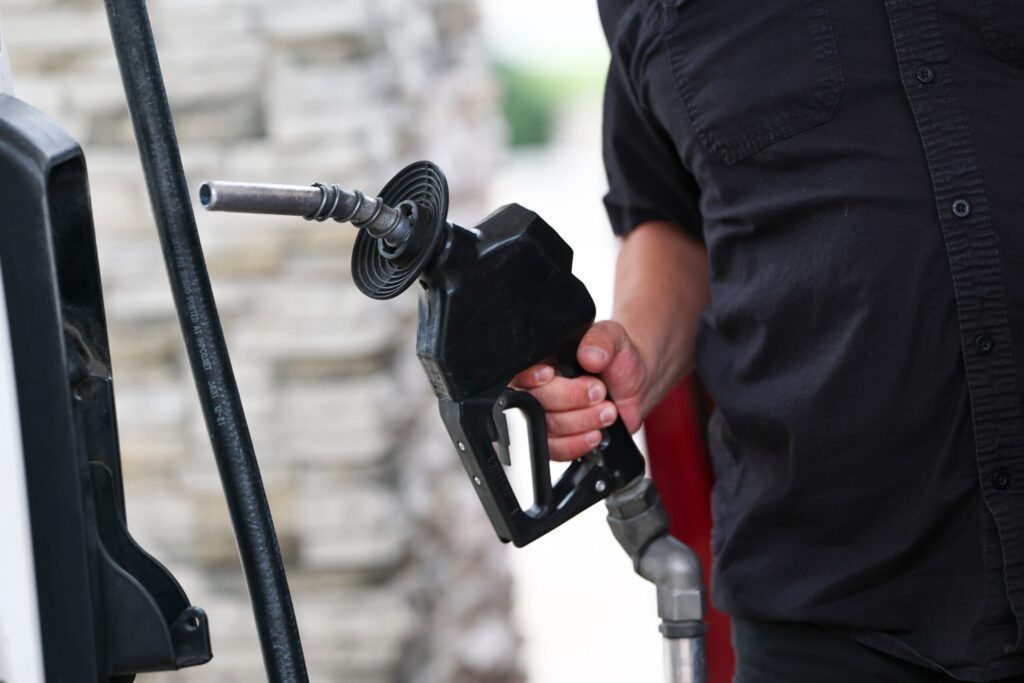
Gas prices, previously near $2.90 per gallon nationwide in February 2026, surged to $4 by March’s end after President Donald Trump initiated conflict with Iran. Prices briefly dipped over the summer but have been above $4 since July.
Oct. 14 marked 158 days above $4, surpassing the 2022 record of 157 days post-Russia’s Ukraine invasion.
Average unleaded gasoline cost $4.33 per gallon on Oct. 14, up $1.26 from a year ago, per AAA. State averages varied: Alaska at $4.98, Hawaii at $5.64, and California at $6.26.
Diesel prices remained high, with the national average at $6.30 on Oct. 14, according to AAA, peaking at $8.41 in California.
De Haan predicted on Oct. 13 a potential diesel price hike as refineries start maintenance.
He noted that 13 states averaged diesel below $6/gal, a figure expected to drop by over half within a week.
The Iran conflict significantly impacted fuel prices, with 20% of global crude oil passing through the Strait of Hormuz prior to Iran’s blockade. This action cut off vital global oil supplies, causing price surges.
Other regional oil routes are also at risk. In August, InvestingLive reported Iran’s plan to elevate American fuel prices by targeting Arabian Gulf pipelines and terminals circumventing the Strait.
The East-West Crude Oil Pipeline faced a drone attack last month, reportedly from Iraq-based pro-Iran groups, though they denied involvement, NBC News reported on Sept. 12. Iraqi PM Ali Faleh al-Zaidi assured Saudi Crown Prince Mohammed bin Salman on Oct. 14 that Iraq wouldn’t be used for further attacks on Saudi oil infrastructure, according to al-Jazeera.
Iran-backed Houthi fighters in Yemen also targeted a Saudi Aramco refinery on Oct. 6. Another attack on Aramco’s headquarters in Dhahran was reported on Oct. 13.
Earlier in October, Rutgers professor Rudi Leuschner warned the American Independent that prolonged Middle Eastern conflicts could raise food costs due to increased fuel prices.
“A three-month span might start showing effects,” Leuschner stated.
—
Read More Michigan News