Colorado River Basin Faces Unprecedented Low Water Inflow
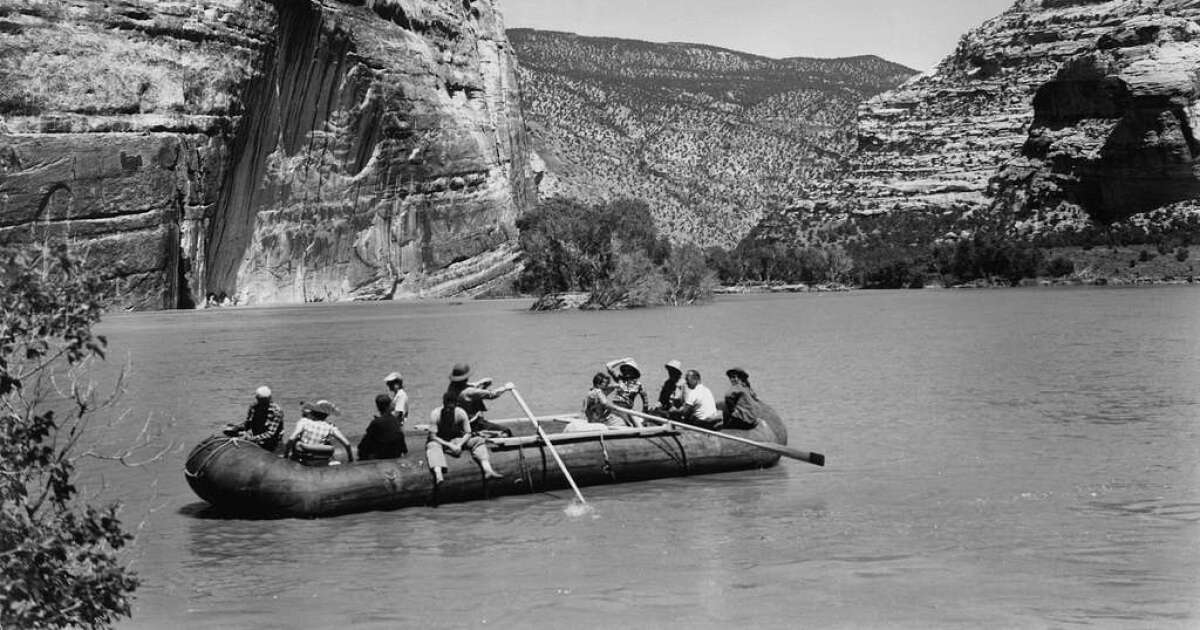
The Colorado River Basin is experiencing alarming water shortages, with experts expressing deep concerns about the summer’s water flow predictions. Recent data reveals a stark decline in water inflow to Lake Powell, signaling a potential crisis.
Federal hydrologist Cody Moser, representing the Colorado Basin River Forecast Center, highlighted the severity of the situation during a webinar, stating, “Really no good news this winter,” followed by a significant pause. The forecast suggests a drastic reduction, with only 800,000 acre-feet of water expected to enter Lake Powell by July, which is just 13% of its average inflow, marking the lowest on record for this period.
The bleak forecast results from an unusually low snowpack across the west and an intense March heat wave. Although April brought some cooler and wetter conditions, Moser noted, “it pales in comparison to this five, six month stretch of just record warm and dry weather that we’ve seen.”
In response to the dwindling water levels at Lake Powell, the Interior Department has implemented emergency measures to prevent the reservoir from falling below the threshold needed for hydroelectric power production. This includes transferring substantial water volumes from Flaming Gorge reservoir, located on the Wyoming-Utah border, to Lake Powell.
Amid these efforts, negotiations have resumed among the seven states reliant on the river’s resources, focusing on equitable water sharing and conservation strategies. The upper basin states remain at odds with their lower basin counterparts regarding usage reductions.
In a recent development, Nevada, California, and Arizona proposed a short-term solution to the ongoing water scarcity issues. Their plan aims to conserve up to an additional one-million-acre feet of water annually through 2028.
However, the proposal received a lukewarm response from Colorado’s water negotiator, Becky Mitchell, who described it as a “good first step” but ultimately “unsustainable.” She emphasized the need for further progress, stating, “While the lower division states have made progress, more is needed to protect the Colorado River system now and into the future.” Mitchell also underscored the importance of mediation in resolving the differences.
This article is part of KUNC’s continuous coverage of the Colorado River, with the support of the Walton Family Foundation. KUNC maintains full editorial control over its reporting.
—
Read More Arizona News