Understanding the Sploot: A Unique Animal Behavior
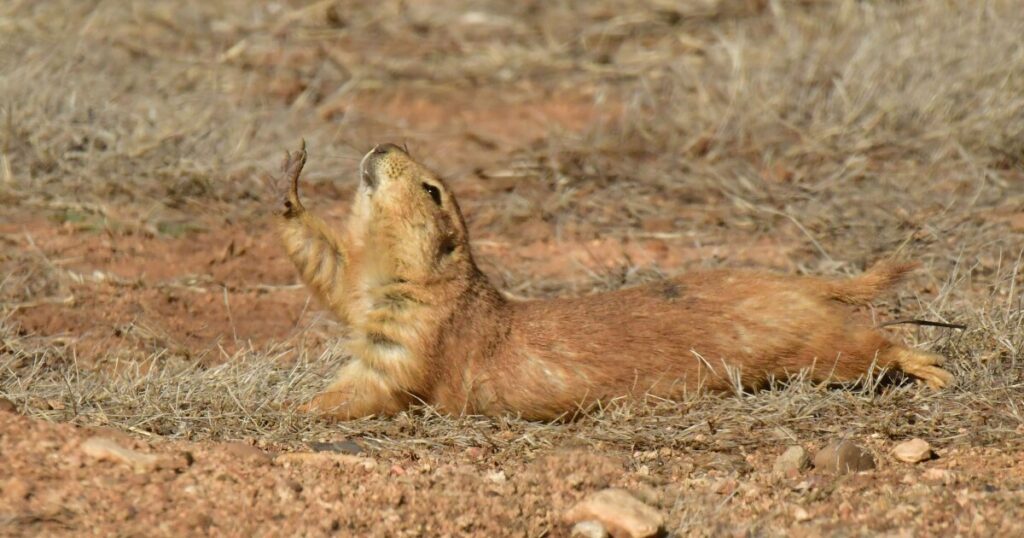
In the animal kingdom, a curious pose has been capturing the attention of wildlife enthusiasts—an animal lying flat on its belly with all limbs stretched out. This behavior, termed “splooting,” isn’t just an adorable sight but serves a practical purpose in the animal world.
Many creatures, from squirrels to prairie dogs, and even domestic pets like dogs and cats, exhibit splooting. This action helps them control their body temperature by taking advantage of the thinner fur or feathers on their stomachs, which allows excess heat to dissipate through their skin. Whether it’s a warm winter day or the sweltering summer heat in the Southwest, splooting can help animals stay cool or warm up as needed.
Splooting, also known by other playful names like frogging or pancaking, can vary in form. Animals might opt for a full-body sploot with limbs completely extended, or choose variations like the side sploot, half sploot, or reverse sploot. While it might seem that these creatures are merely lounging, this posture also allows them to conserve energy, rest, stretch, or even play.
However, this seemingly innocent position comes with its risks. By lying flat and exposed, animals can become more susceptible to predators, especially in the wild. Despite appearances, these animals are typically not in distress and should not be disturbed if spotted in this position.
For those interested in observing this fascinating behavior, patience is key. Arizona Game and Fish biologist Holly Hicks recommends visiting a prairie dog colony later in the day. By remaining still and watching for an extended period, observers are likely to witness these animals engaging in splooting—an activity that’s entertaining for humans and crucial for the animals’ survival.
Report by Rose Houk, produced by KNAU and the Sustainable Communities Program at Northern Arizona University.
—
Read More Arizona News